
When people think of ocean pollution, many first think of the harm caused by plastic waste, oil spills, or chemical contaminants. However, food waste discarded by cruise ships and other vessels also has a negative impact on marine environments. Among other risks, food waste can lead to eutrophication – a process in which an excessively high concentration of nutrients can fuel algae blooms. These blooms use up oxygen and block sunlight essential for other marine plants and animals. They can also produce damaging toxins.
Annex V of the International Convention for the Prevention of Pollution from Ships (MARPOL) was written specifically to reduce the risks associated with discharging food waste in the ocean. Signatories to MARPOL Annex V agree to enforce compliance with a series of requirements meant to control the discharge of food waste in international waters. While the requirements are straightforward, compliance can be challenging for large vessels. Below, we explain what all ship personnel must know about MARPOL Annex V requirements – and solutions to simplify compliance.
The MARPOL Convention Explained
The International Maritime Organization (IMO) sets regulations intended to improve safety at sea for all shipping nations. Its requirements are mandatory for more than 99% of the world’s merchant tonnage. 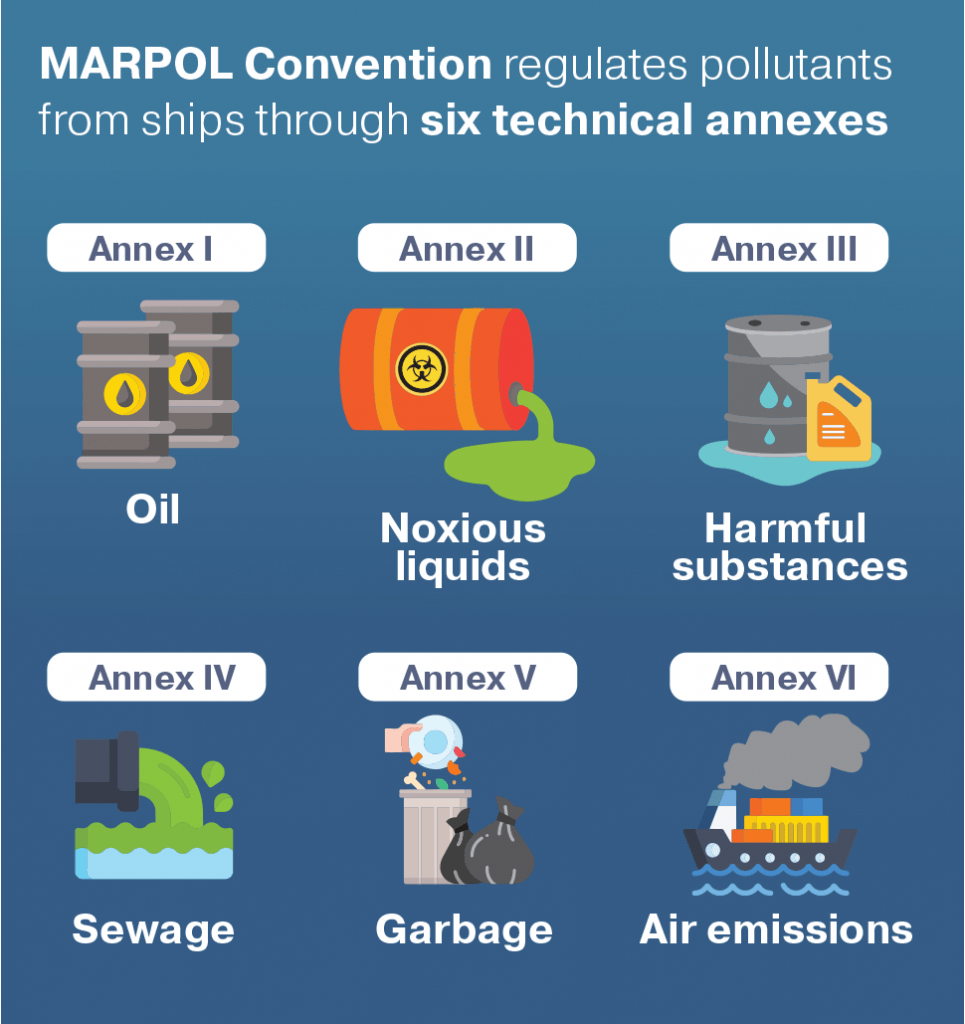
While IMO was founded with a focus on improving shipping safety, efficiency, and service availability, pollution has been a leading priority for IMO since the 1960s. In 1973, IMO created MARPOL. This convention covers regulations meant to prevent pollution of the marine environment. Requirements cover both operational and accidental causes of pollution.
Today, the MARPOL Convention regulates pollutants from ships through six technical annexes. These annexes cover pollution through oil (Annex 1), noxious liquids (Annex 2), harmful substances (Annex 3) sewage (Annex 4), garbage (Annex 5), and air emissions (Annex 6).
MARPOL applies to all ship types—from cruise ships to merchant vessels, tankers, and fishing boats—over 400 gross tons or carrying more than 15 people. It governs operations in the marine environment under the jurisdiction of its more than 176 member states.
About MARPOL Annex V
MARPOL Annex V is focused on reducing garbage generated during normal ship operation from being discharged into the sea. Since entering into force in 1988, more than 150 countries have signed on in support of MARPOL Annex V.
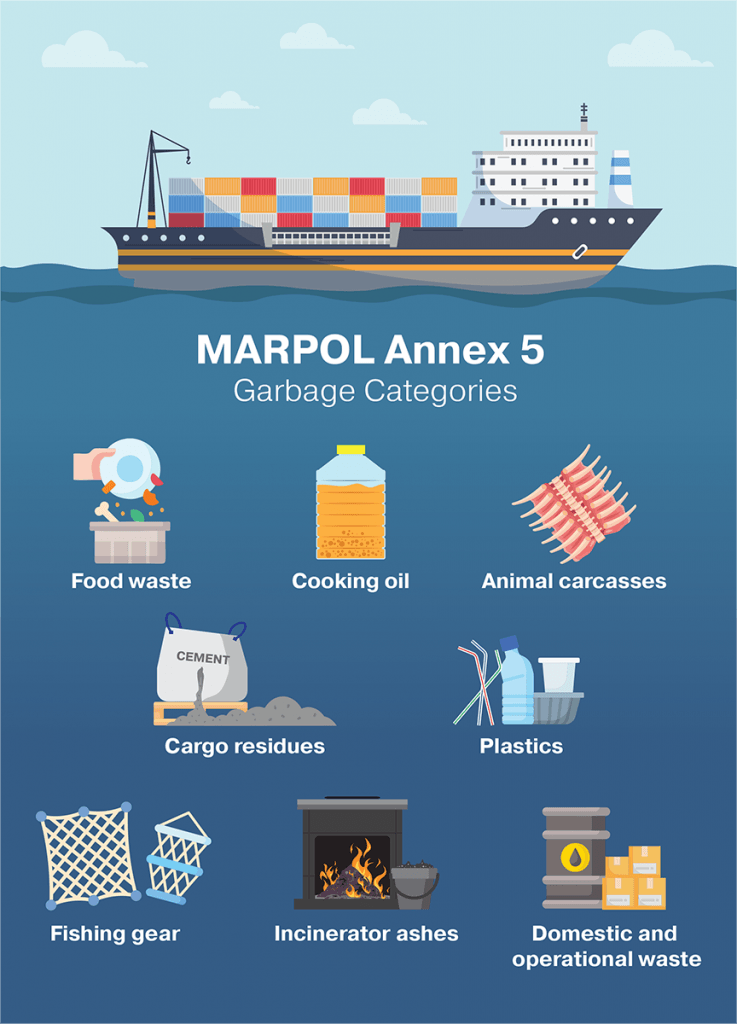
MARPOL Annex V garbage categories include:
- Food, including cooking oil and animal carcasses
- Domestic and operational waste
- Plastics
- Cargo residues
- Incinerator ashes
- Fishing gear
Garbage does not include fresh fish and fish parts generated through fishing activities that take place during the voyage in question, or as a result of aquaculture.
Requirements for MARPOL Annex V apply to all ships of 100 gross tonnage and above, ships certified to carry 15 or more people, and fixed or floating platforms. To demonstrate compliance with the regulation, these ships must have onboard the following:
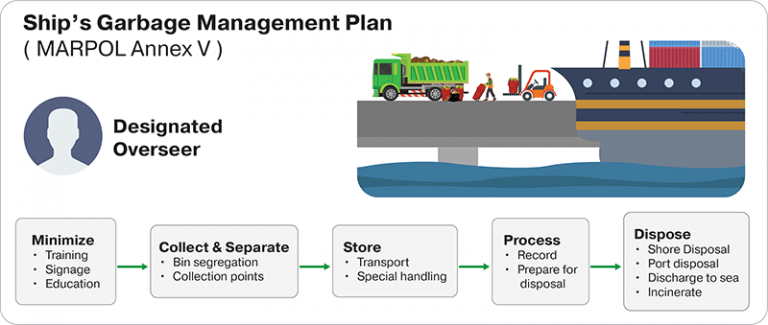
- Garbage management plan. This plan must include written procedures for how the ship will minimize, collect, store, process, and dispose of garbage. It includes specific equipment on board used to reduce garbage. It must note the individual who is responsible for overseeing compliance with the plan.
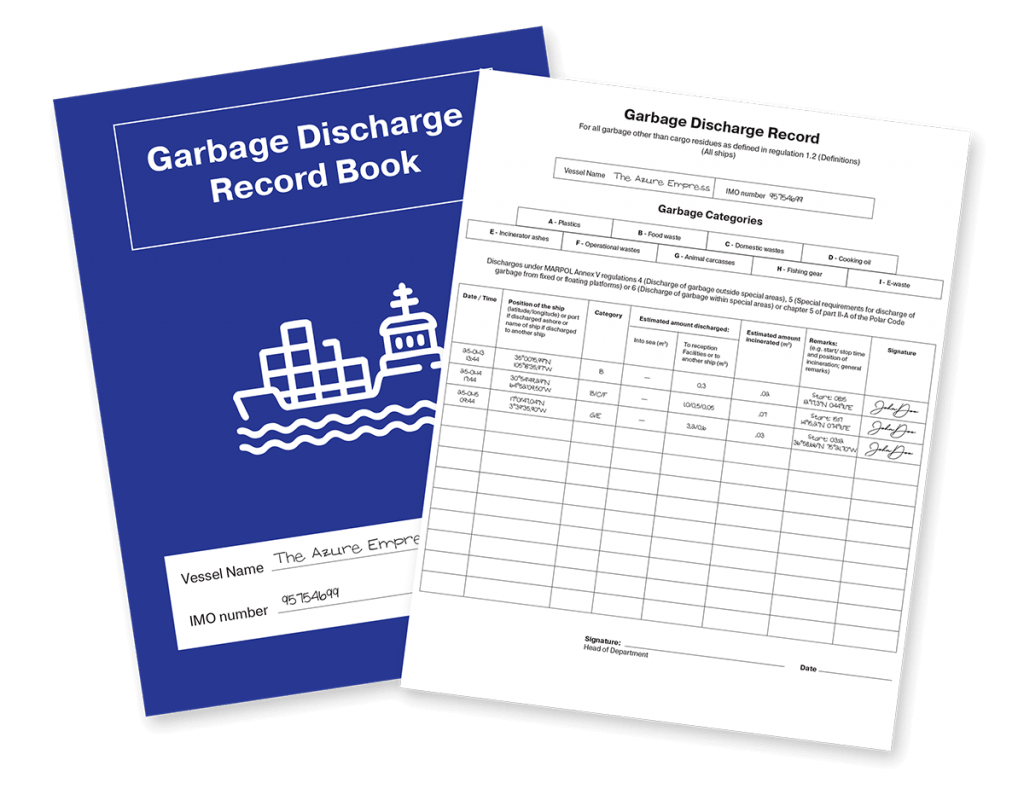


- Garbage record book. This book records all disposal and incineration operations. Ship personnel must log the date and time, position of the ship, and a description of the garbage and estimated amount incinerated or discharged. Each record book must be kept onboard for two years after the date of the last entry.
Cost of MARPOL Annex V Noncompliance
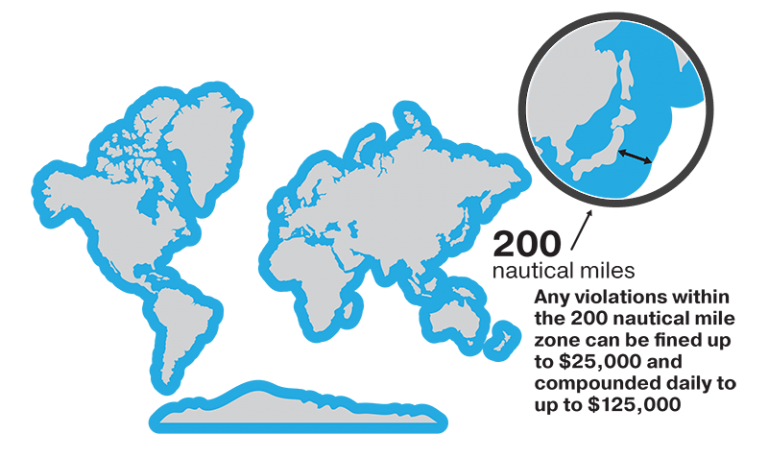
Penalties for noncompliance with MARPOL Annex V are set by each signatory nation. For example, the U.S. Coast Guard sets fines for infractions committed by U.S. ships, no matter where in the world the infraction happens. It also enforces compliance among foreign ships operating in U.S. waters or within the Exclusive Economic Zone that extends 200 miles beyond the coast. The Coast Guard can fine violators up to $25,000 for each violation of Annex 5. Ongoing or willful violations may be subject to class II civil penalties, which can be compounded daily at a rate of up to $125,000.
The regulation does allow exceptions to compliance in the event that discharging garbage is necessary for the safety of the vessel and those on board. Noncompliance is also not penalized in the event that a vessel otherwise in compliance accidentally discharges garbage as a result of damage.
Solutions for Managing Shipboard Organic Waste
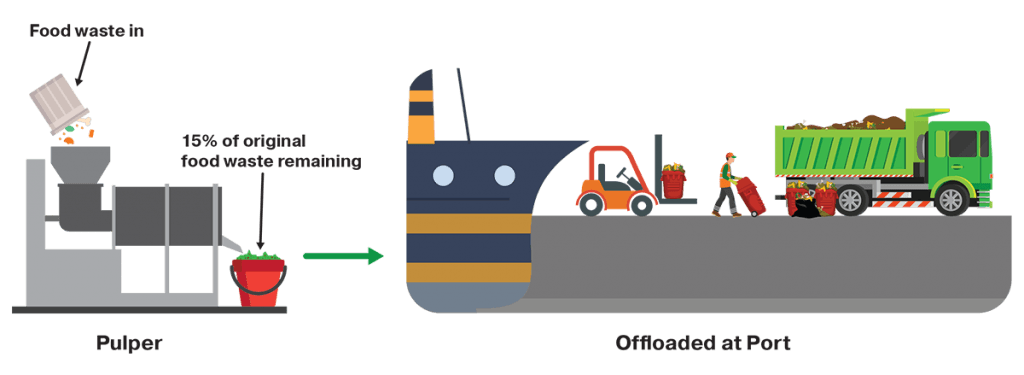
Traditionally, cruise ships and other marine vessels have used solutions like pulpers to comply with MARPOL Annex 5 and other environmental regulations to dispose of organic waste. Waste pulpers grind down food scraps and extract moisture, leaving a dry pulp to dispose of at port or discharged at sea where permissible. These solutions can typically reduce the volume of food waste by as much as 85%. However, maintaining inadequate garbage facilities remains a challenge for many ports. This also means any remaining waste takes up valuable onboard space. As a result, many vessels are implementing alternative solutions.
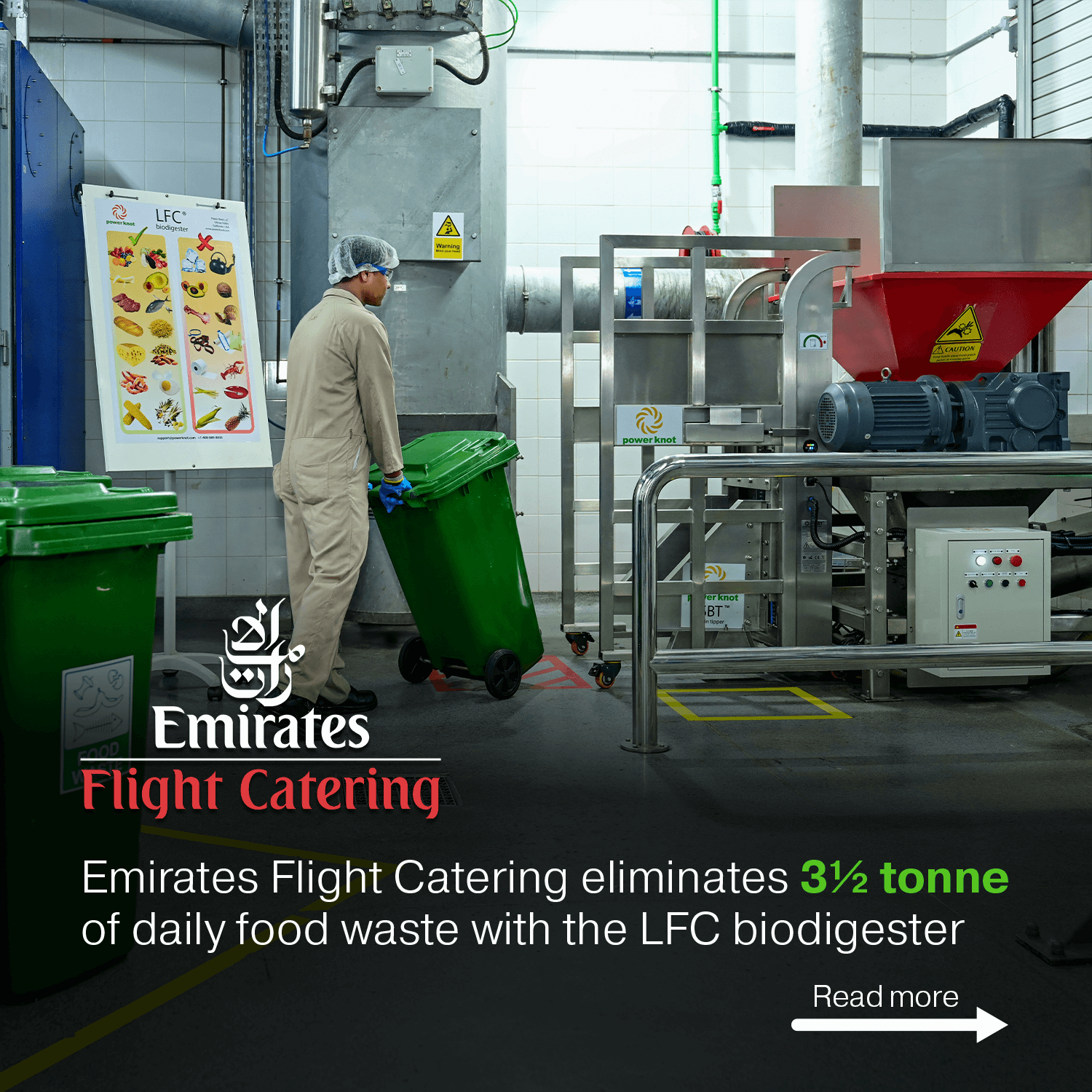
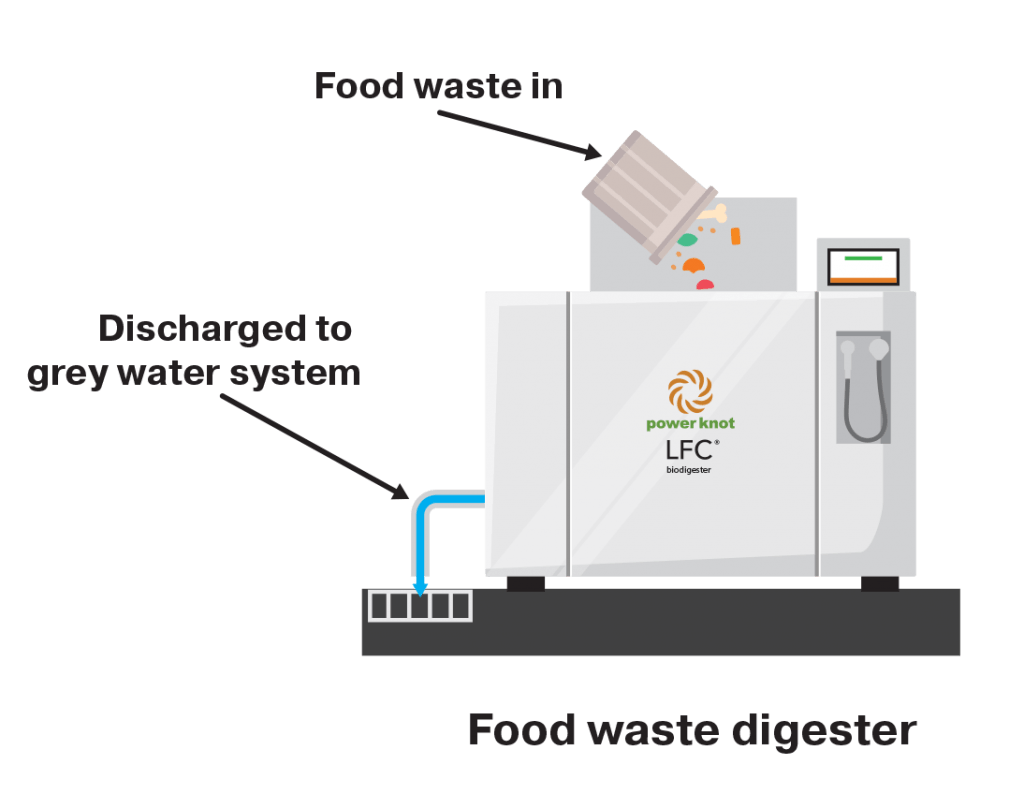
The LFC biodigester provides an attractive alternative to waste pulpers. Unlike pulpers, the LFC biodigester fully breaks down food waste, typically within 24 hours, to emit only grey water that, depending on the vessel’s location, can be pumped directly overboard or treated by the vessel’s sewage treatment plant.
How Food Waste Digesters Help Ships Maintain MARPOL Annex V Compliance
LFC biodigesters also make it easier for vessels to comply with strict rules about plastic pollution. While a shipboard environmental officer may need to oversee waste disposal into pulpers to ensure no plastic enters the machine, the LFC biodigester is designed to eliminate the possibility of plastics entering the ocean through the waste stream. In the event a non-organic material ends up in the biodigester, it faces multiple layers protection. The microorganisms that break down organic waste will not digest plastics. Metal grates and filters then prevent the plastics from contaminating the waste stream.
Finally, the LFC biodigester features data collection solutions that simplify garbage tracking. All LFC biodigesters come with access to the LFC Cloud. Through the cloud, ship operators can track waste data and generate reports on how much waste is being digested. This significantly simplifies recordkeeping for garbage record books. In addition, equipment can be programmed to identify the types of waste being processed and use this information to make adjustments to purchasing.
Simplify MARPOL Annex V Compliance
Ships of all sizes are using LFC biodigesters to simplify organic waste tracking and management. Power Knot has installed hundreds of its LFC biodigesters on cruise ships, tankers, mega yachts, and other seafaring vessels. To learn more about why ships are turning to biodigesters over traditional waste disposal solutions, explore our marine case studies or contact Power Knot.