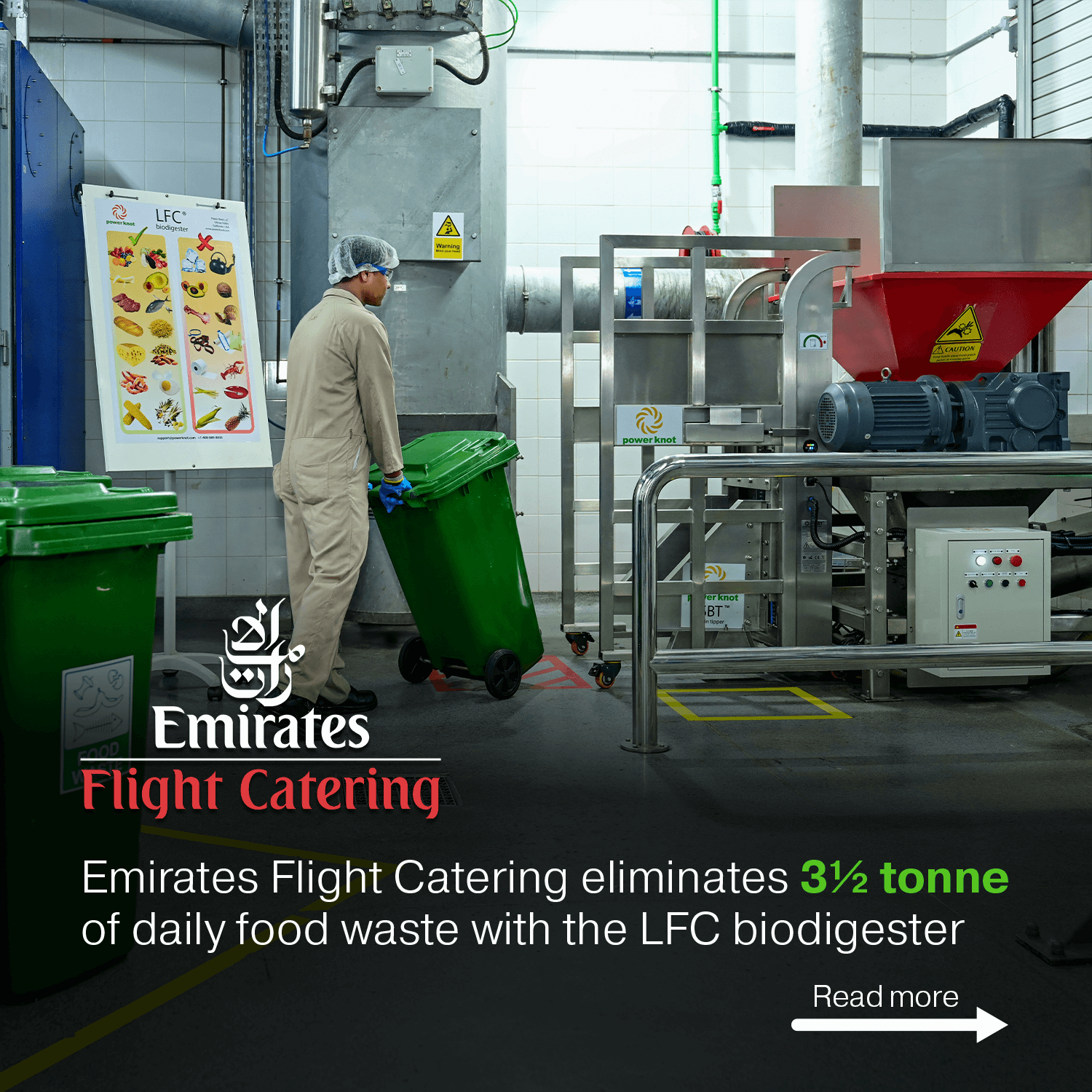

For a commercial kitchen designer or foodservice consultant, every square inch of a floor plan is a battleground. They are constantly balancing workflow efficiency, strict hygiene standards, and the aesthetic demands of a high-end facility. Traditionally, the handling of waste was relegated to the back dock, a messy, smelly afterthought involving heavy bins, high labor costs, and expensive hauling contracts.
However, the industry is shifting toward circular economy solutions. Modern kitchen specifications are increasingly moving away from traditional dumpster models in favor of on-site aerobic biodigesters.
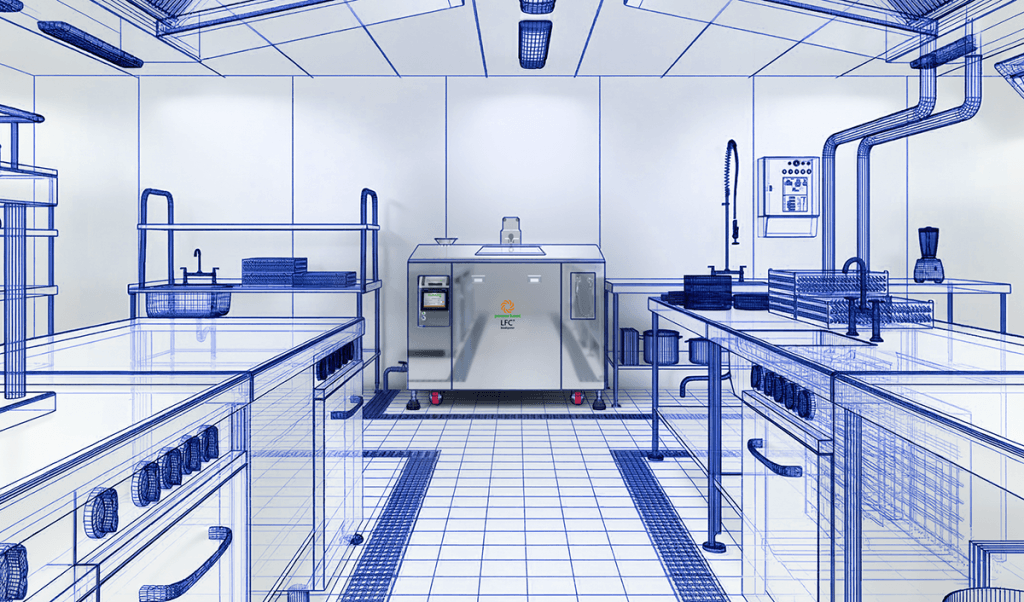
1. Reclaiming Premium Real Estate & Optimizing Floor Plans
Space is the most valuable commodity in commercial kitchen planning. Traditional waste management consumes significant square footage that could be used for revenue-generating prep or storage:
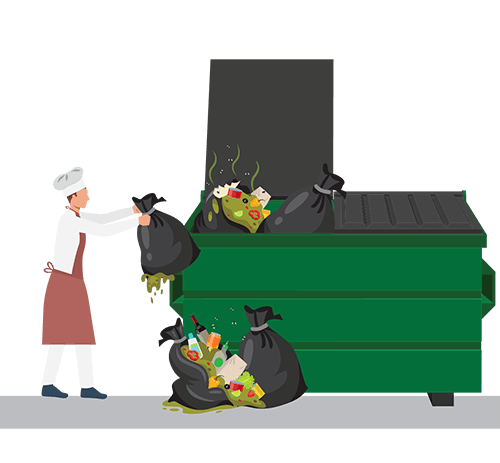
- Floor space: No more space wasted on multi-bin organics storage.
- Trash rooms: Eliminates the need for specialized ventilation and refrigerated waste rooms.
- Exterior footprint: Reduces the number of dumpsters cluttering the loading dock.
Biodigester Benefit: The LFC biodigester sits directly at the source of waste generation. By processing food waste on site, you streamline the kitchen layout, allowing for a more compact and efficient MEP (Mechanical, Electrical, and Plumbing) design. Choose from nine different models of the LFC biodigester that fit the kitchen needs.
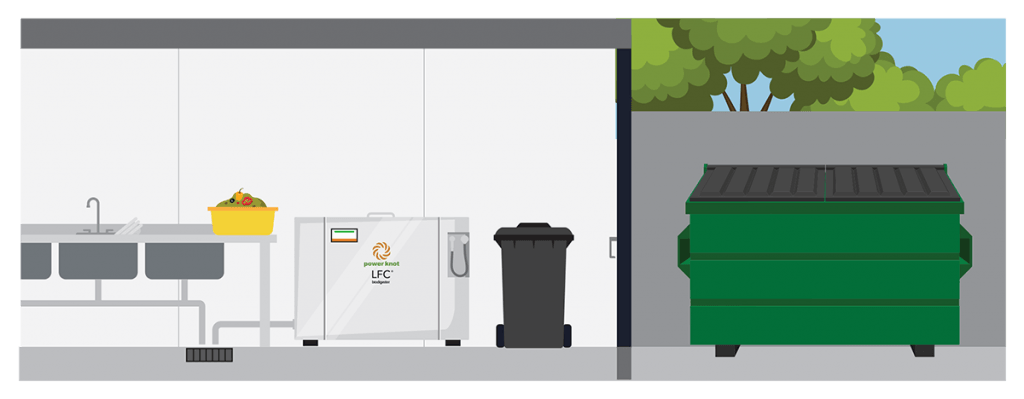
2. Radical Hygiene and Integrated Pest Control
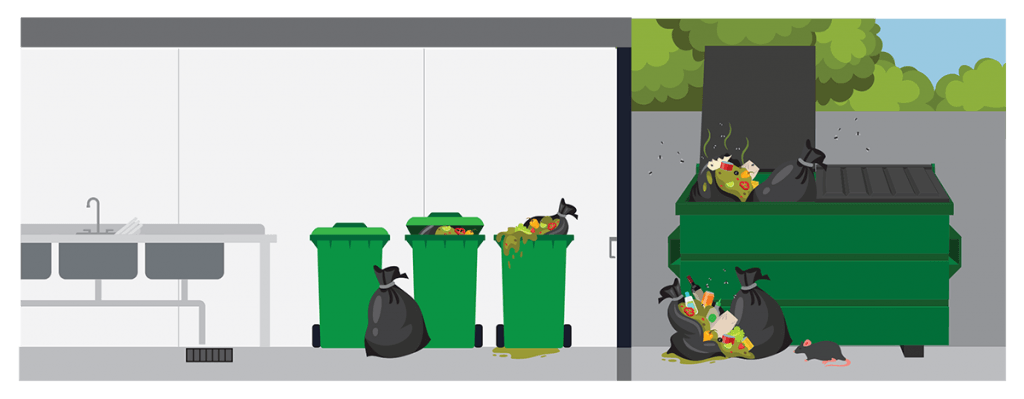
In professional kitchen design, maintaining a “clean flow” is critical. This flow is compromised the moment staff haul dripping bags of organic waste through prep zones to a loading dock.
- Zero Odor: Unlike traditional bins that rely on anaerobic decomposition (rot), biodigesters use aerobic digestion to break down waste into grey water, eliminating foul smells.
- Pest Mitigation: Immediate disposal is the best defense against fruit flies, rodents, and cross-contamination, ensuring the facility exceeds health department inspections.
3. Sustainability as a Specification (LEED & ESG)
Today’s clients demand sustainable foodservice solutions that meet ESG (Environmental, Social, and Governance) goals. Sending food waste to a landfill is a carbon-heavy process; an on-site biodigester is a powerful tool for achieving LEED certification and “Zero Waste to Landfill” targets, including compliance with new 2026 food waste laws.
| Feature | Traditional Dumpster | LFC biodigester |
| Carbon Footprint | High (Truck transport & methane) | Low (On-site processing) |
| Disposal Method | Manual hauling & landfilling | Discharged to sewer as greywater |
| Data Tracking | Estimated | Real-time weight & CO2 reporting |
4. Operational Cost Certainty & ROI
Waste hauling fees are volatile, subject to fuel surcharges and fluctuating “tipping fees.” By specifying a biodigester, you provide your client with a fixed cost solution and a clear ROI (Return on Investment).
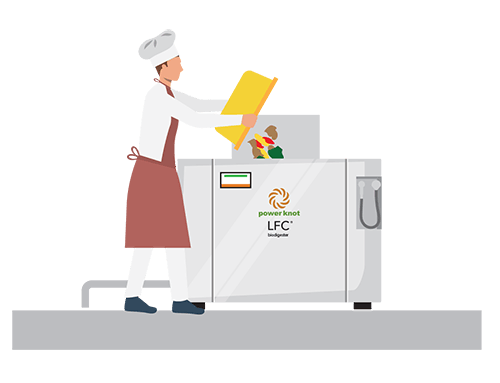
The Power Knot LFC biodigester pays for itself by:
- Drastically reducing the frequency of commercial waste pickups.
- Cutting labor costs associated with manual waste handling.
- Preventing “hidden costs” like pest control services, and time and money wasted from the leakage of trash
Designing for the Future
Integrating a biodigester into your next foodservice project isn’t just about being “green.” It’s about smart kitchen engineering. It streamlines the flow of the facility, protects the building’s integrity, and provides operators with actionable data via the LFC Cloud.
Designer Tip: When plotting your utility MEPs, remember that an LFC biodigester is a “plug and play” solution. It requires only a standard power outlet, water connections, and a standard drain.
Power Knot’s LFC biodigester is available today on AutoQuotes. Contact us today to receive full technical specifications and CAD models of the LFC biodigester for your next project.