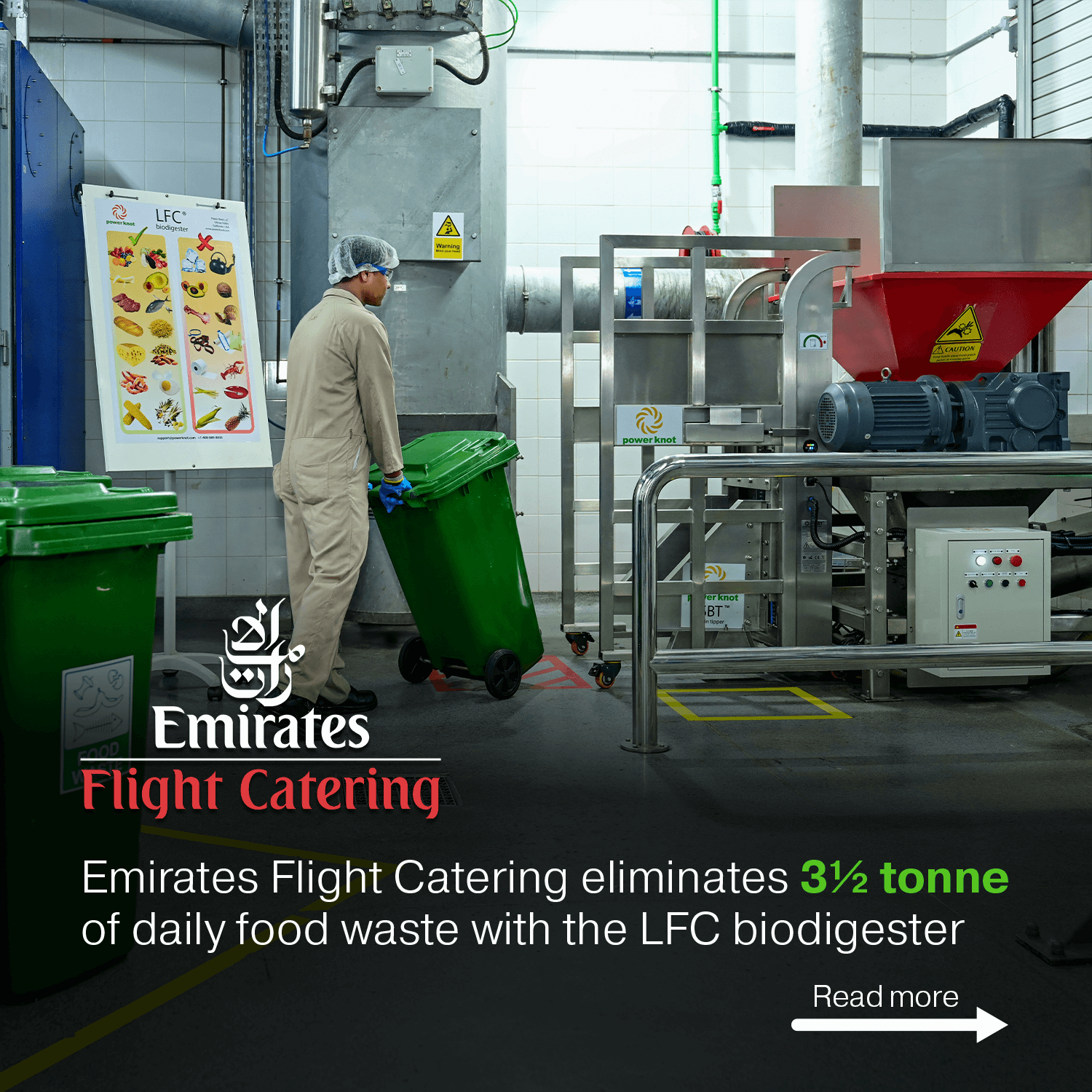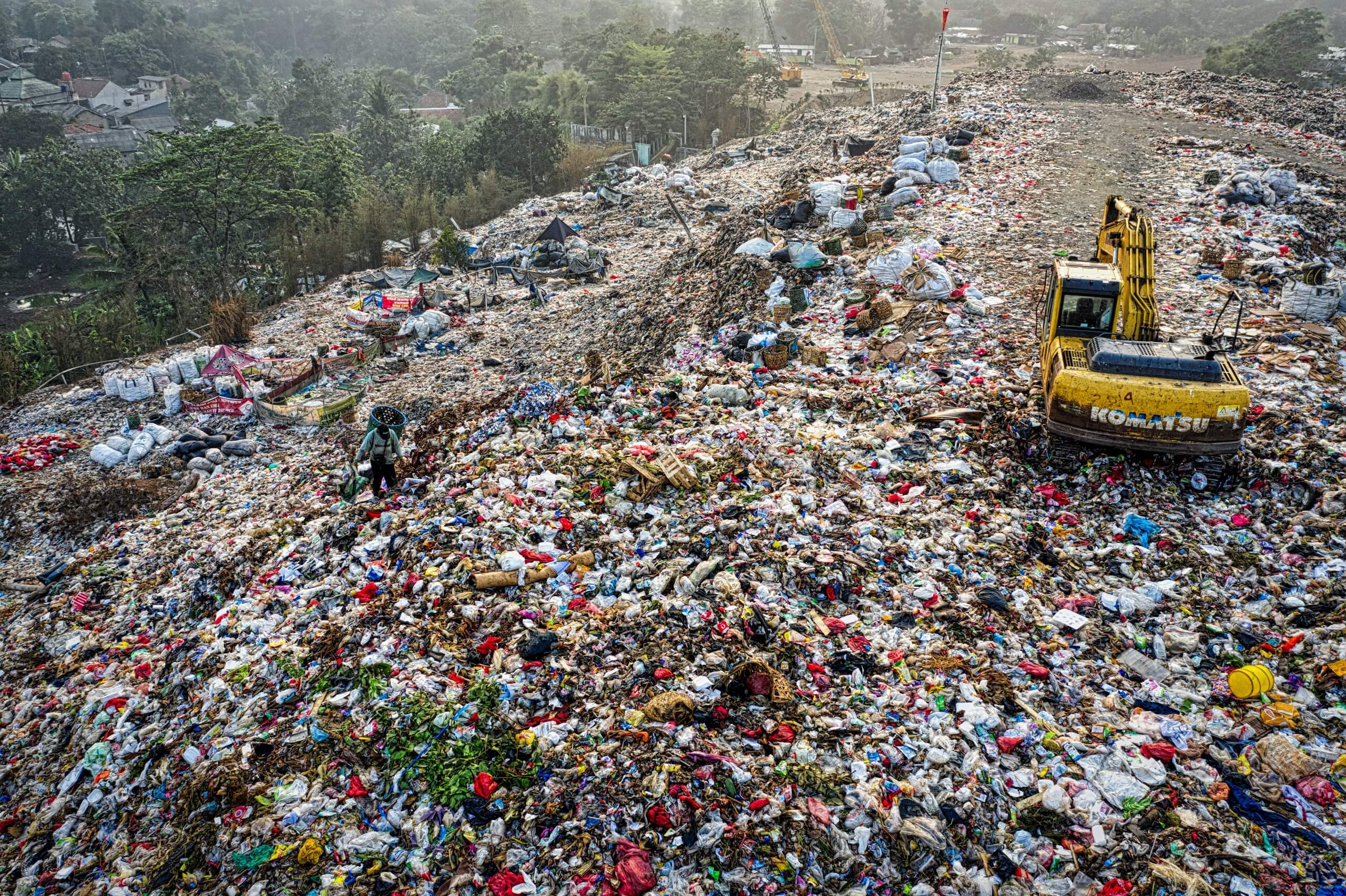
Methane Emissions on the Rise: Food Waste’s Impact on Climate Change
Atmospheric levels of the three main greenhouse gasses that cause climate change—carbon dioxide, methane, and nitrous oxide—all reached new record high values in 2021. Without further action to rein in these emissions, the planet faces a dramatic increase in risks including extreme weather, food and water shortages, and other crises.
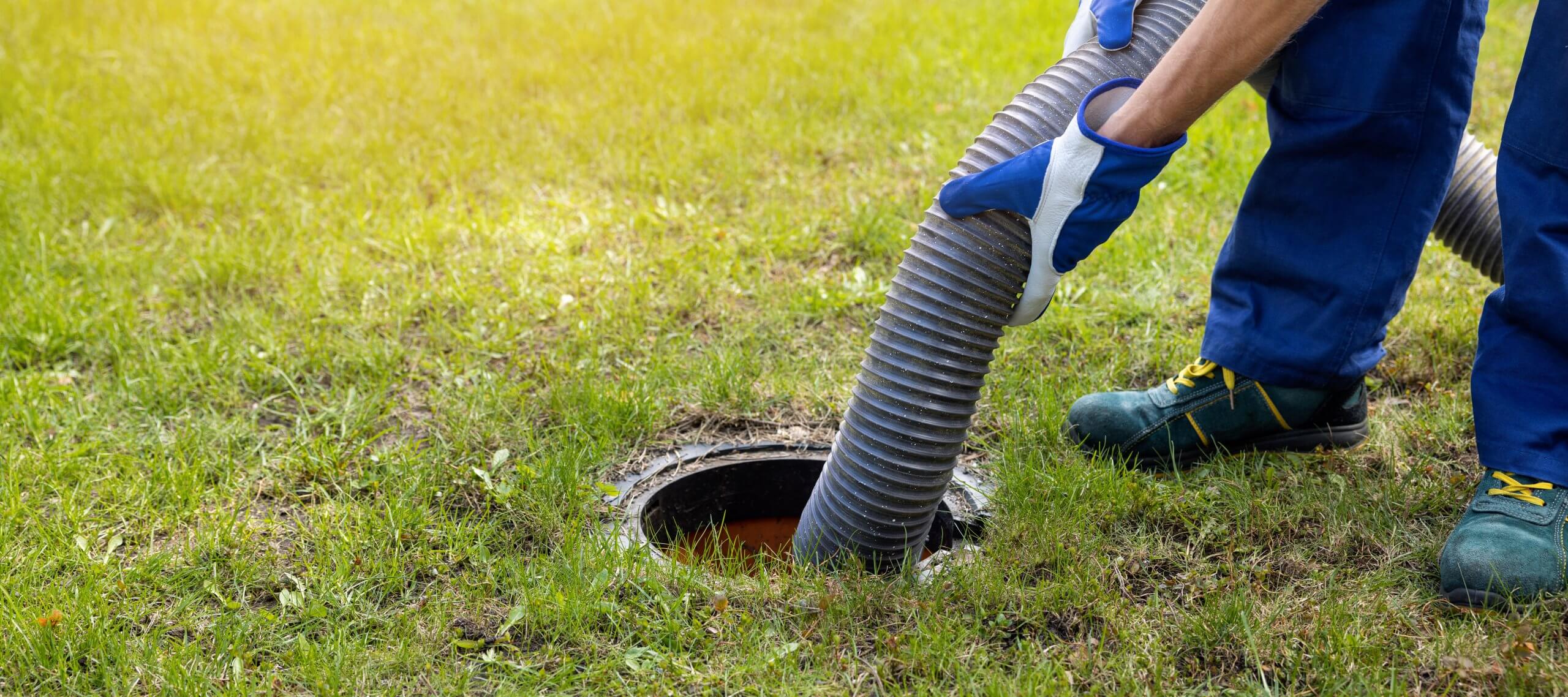
Should biodigesters be used as septic tanks?
In this blog, we review if a sealed, above ground aerobic biodigester is a suitable replacement for a traditional septic tank.
How to reduce food waste over the holidays
Most of the food and leftovers created during…
Benefits of using bin tipper for food waste
Considering how you will dispose of organic waste…
How to compost pumpkins after the holidays
According to the Environmental Protection Agency (EPA), 1.3 billion lb of pumpkins are tossed after October 31st and end up in US landfills every year. This extra organic waste unfortunately results in some of the largest contributions to methane emissions. We share the best ways to prepare your pumpkins for the holidays and composting in this blog.

How technology can prevent and reduce food waste
Are you ready to reduce the amount of…
Challenges from the Envirotech for Shipping Forum
In early October 2022, Power Knot Ocean joined…
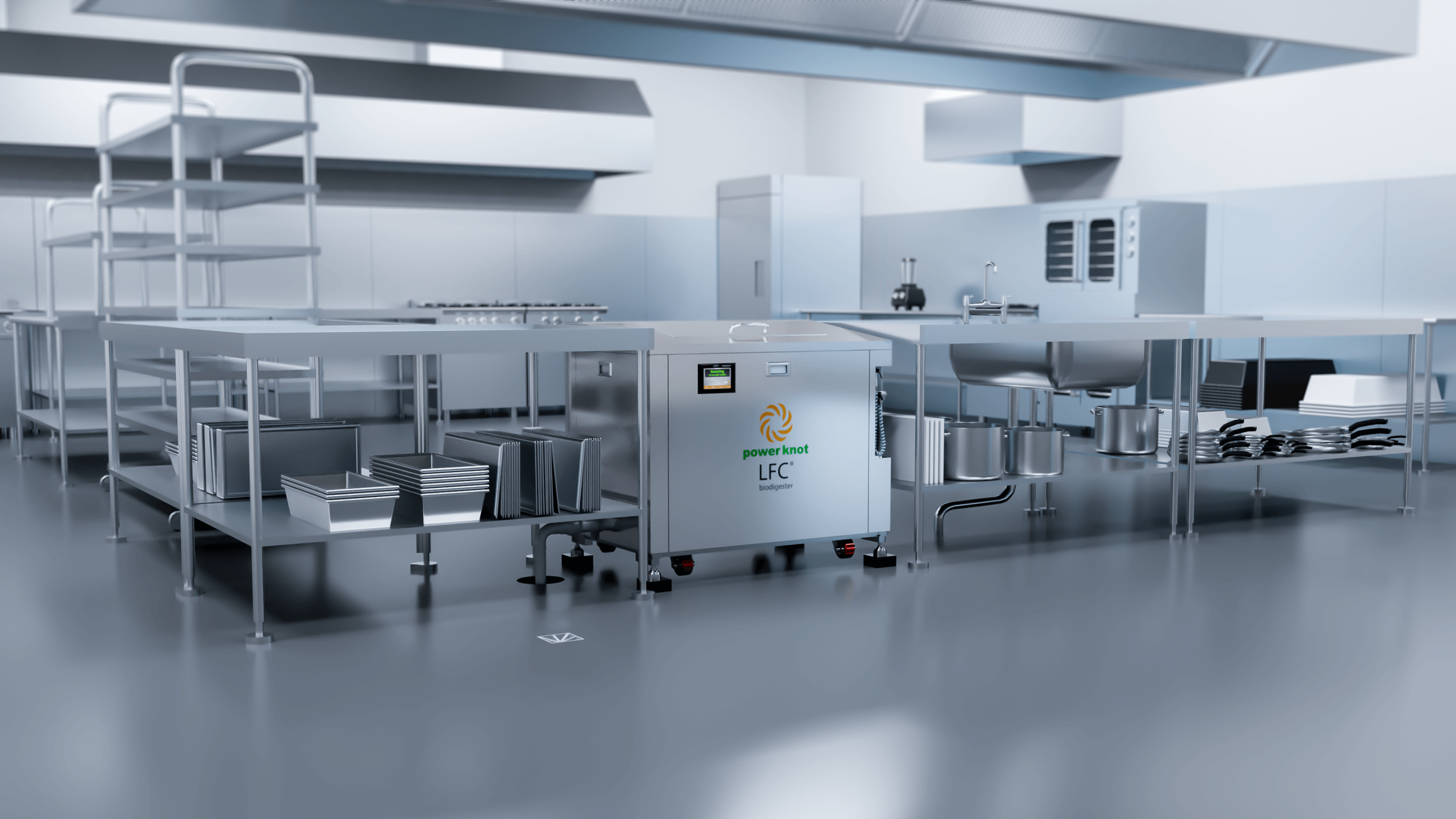
Planning your facility with a biodigester in mind
A machine that turns your food waste into water almost sounds almost too good to be true. Certain requirements need to be met to make biodigester the right fit for your facility. In this blog, we discuss the business and building requirements for a biodigester to help you determine the best food waste solution for your facility.
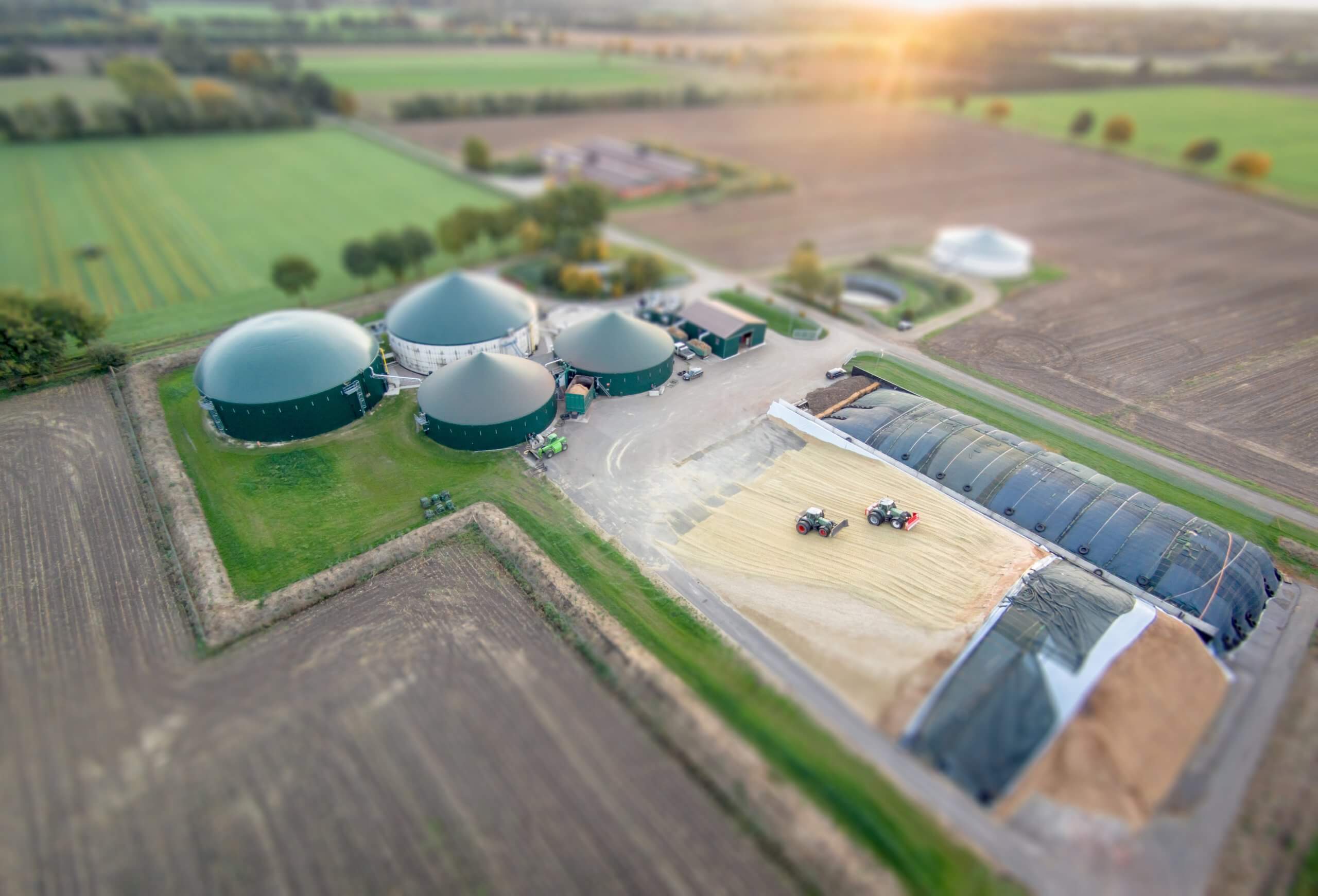
Biodigesters: good or bad for the environment?
Digesters have emerged as a popular, environmentally friendly choice for managing food waste. In fact, some states are investing millions into these digesters. However, other states are levying millions in fines against digester operators accused of polluting their environment. The truth is that there are two distinct types of digesters, with two very different environmental impacts.


Blog: Food for Thought (and Not for Landfill)
Explore the latest articles on food waste reduction, sustainability strategies, industry developments, aerobic digester technology, and expert insights to drive smarter waste solutions.
Filters
Industry
Category
Power Knot provides environmentally sound products that help reduce costs while reducing your carbon footprint. We sell the LFC biodigester that uses aerobic digestion to convert food waste into water.
Contact Info
Copyright © 2009-2025 Power Knot LLC. All Rights Reserved.