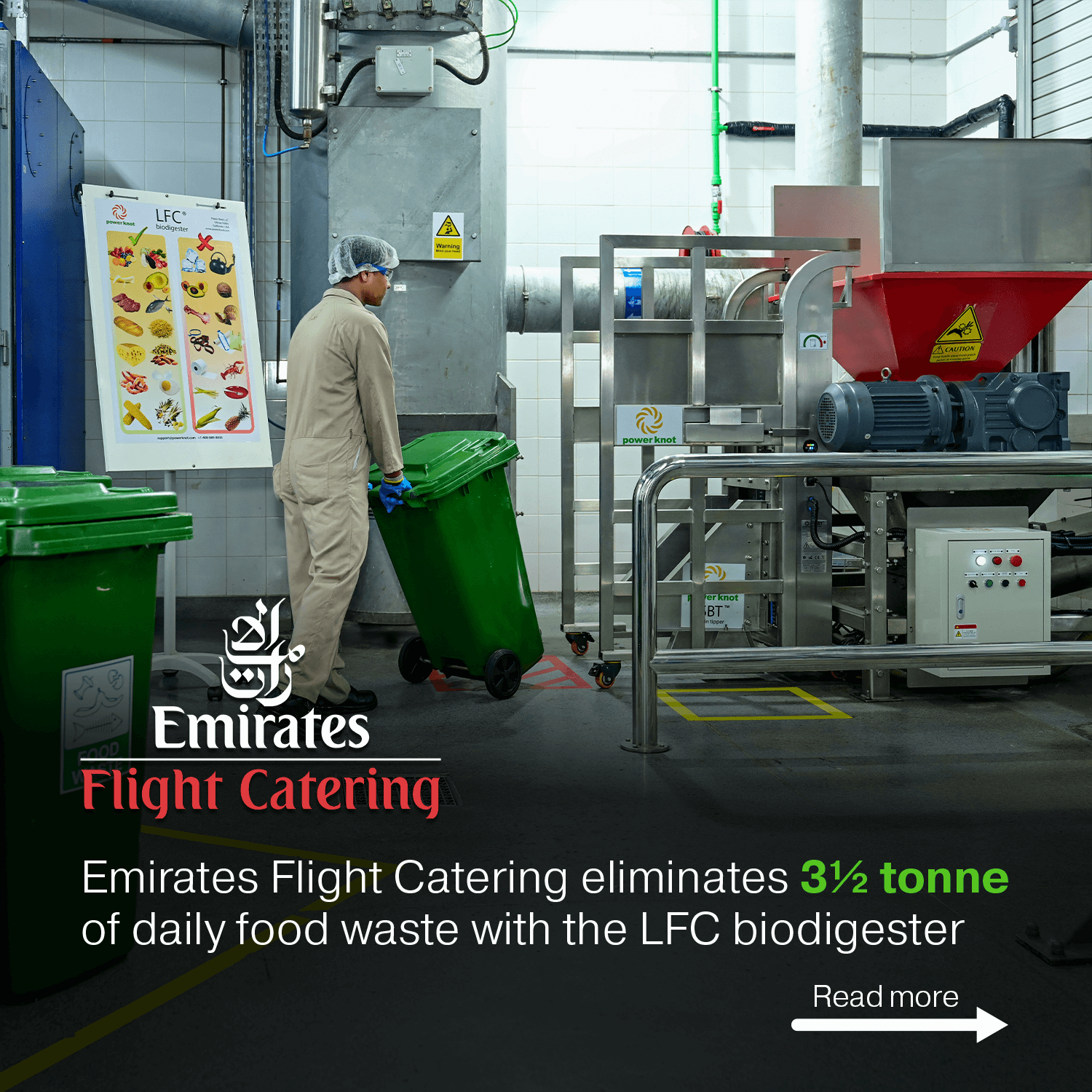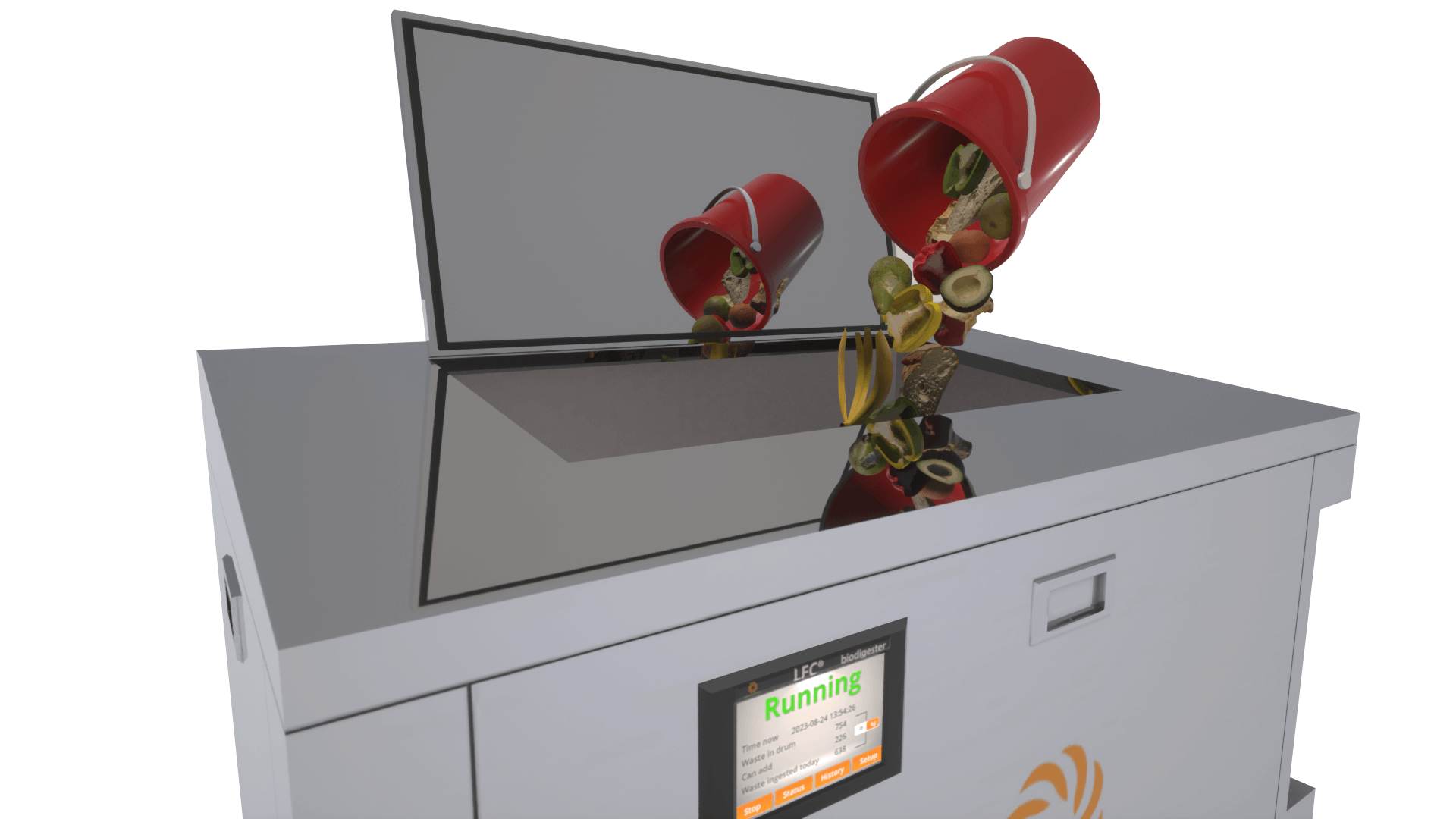
What can go in a biodigester?
It may be tempting to think of biodigesters as being similar to processes such as composting. The truth is, however, that a biodigester provides organizations with large food preparation areas far more flexibility than composting and other options for the disposal of food waste. In this blog, we review what can and cannot go into a biodigester.
Why Biodigesters are the Future of Food Waste Management
Today, more than a third of worldwide food production is lost or wasted each year, amounting to about 1.3 billion tons of waste food. Without change, experts predict that waste may grow to as much as 70% of all food by the year 2050. Digital technology must play a central role in identifying and preventing possible avenues of food waste. It’s for this reason that we believe onsite biodigesters will play a key role in the future of food waste management.
How the New SEC Climate Disclosure Rule May Affect Your Business
The SEC has unveiled a historic climate disclosure rules for companies. It would require businesses to report their (Scope 1) greenhouse gas emissions, how climate-related risks impact their business, and more.
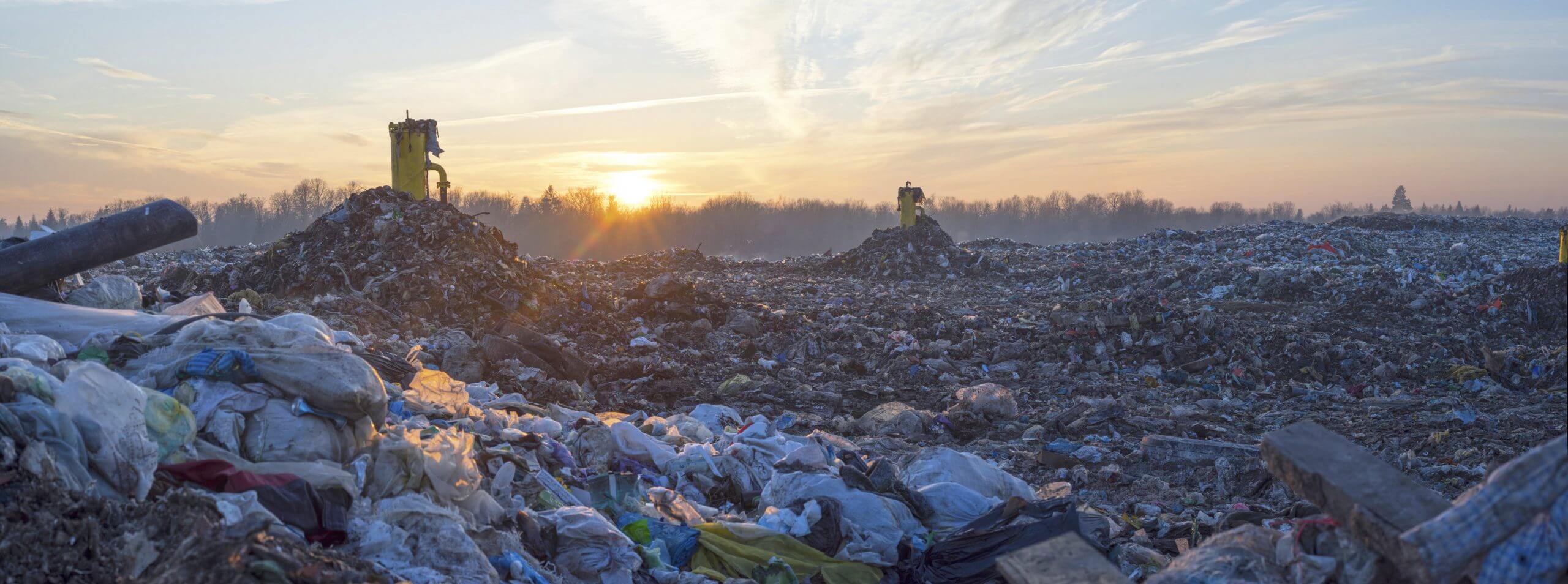
What are Scope 3 emissions?
Scope 3 emissions amount to 80% to 90% of an organization’s overall emissions, making this an excellent opportunity for action. By reducing food purchasing and mitigating off-site food waste disposal, companies can make a sizable dent in this scope 3 emissions category and their operational carbon footprint.
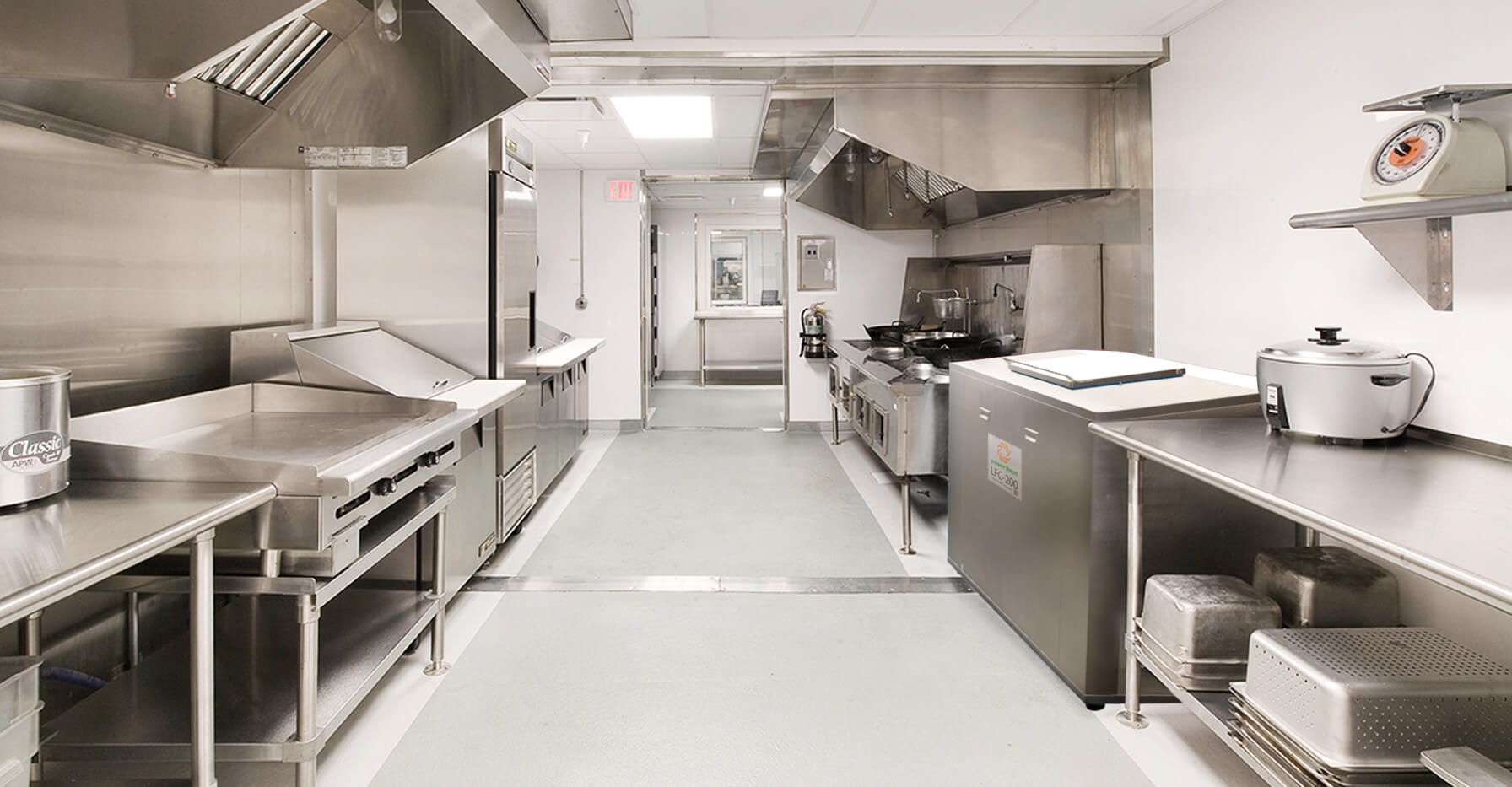
The True Cost of Owning a Biodigester
In this blog, we compare the cost of traditional waste management against a biodigester investment and lay bare the true cost of biodigester ownership.
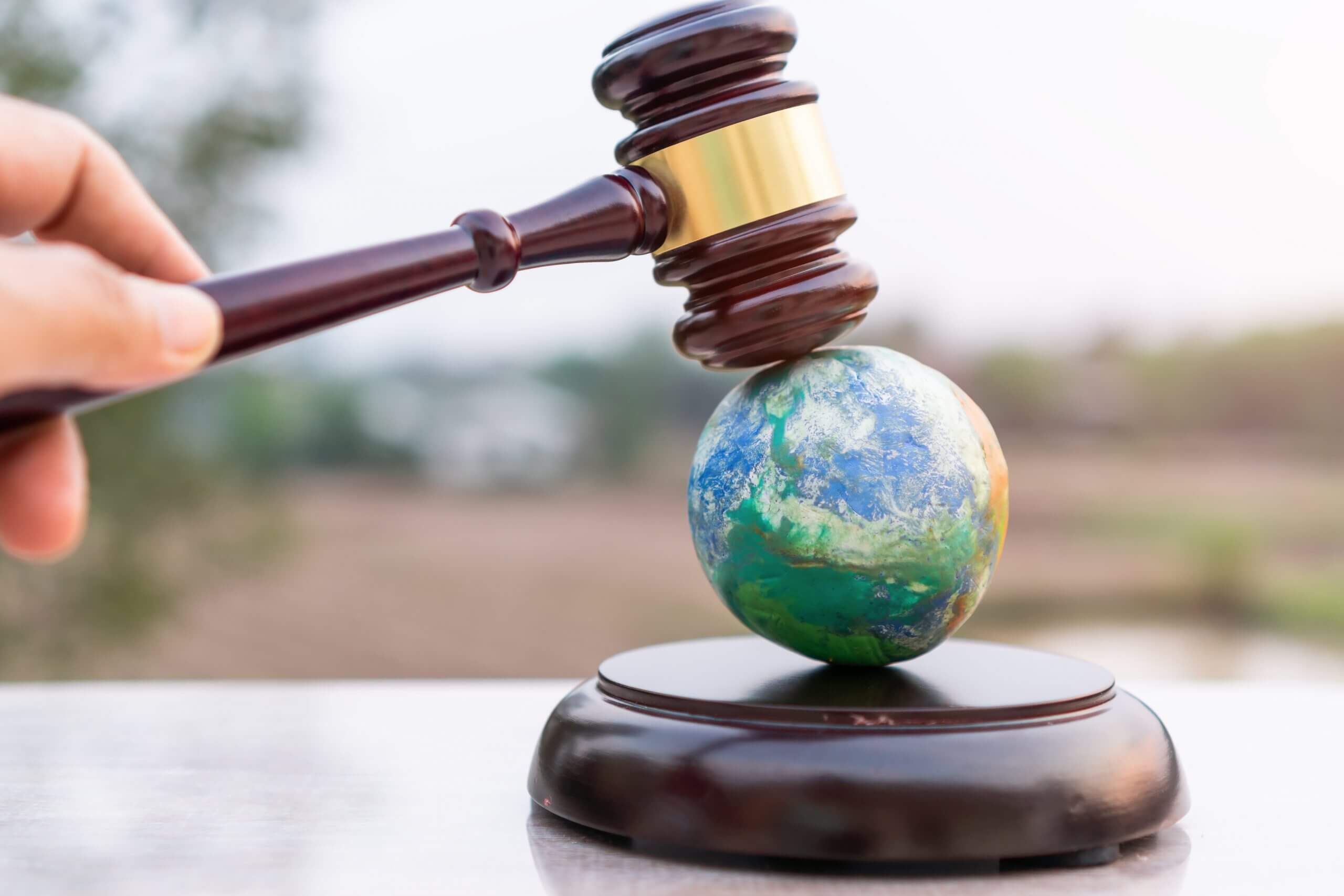
How Food Waste Practices Can Support Net-Zero Federal Emissions
With a new executive order committing federal buildings…

Three Takeaways from the Hamburg Maritime Forum
In November 2021, Power Knot attended the Hamburg Maritime Forum, a two day international event in Hamburg, Germany featuring maritime industry experts across various segments. Here are three takeaways from the conference.
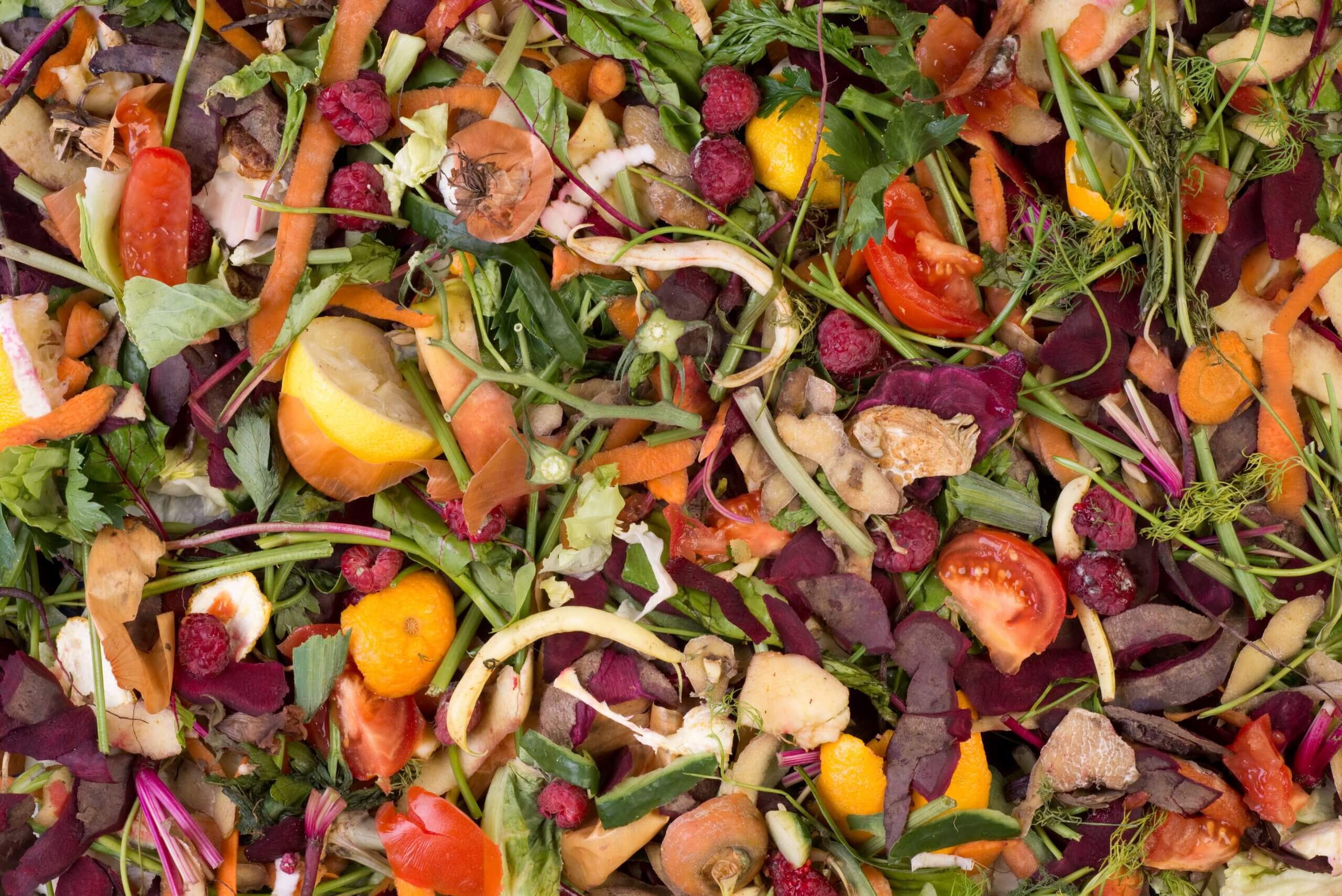
The Pros and Cons of Dehydrating Food Waste
In this blog, we review the process of using a food scrap dehydrator and some of the pros and cons of dehydrating food scraps. With a better understanding of how food scrap dehydrators work, commercial food operations can make a more informed decision as to how to best dispose of their food waste.
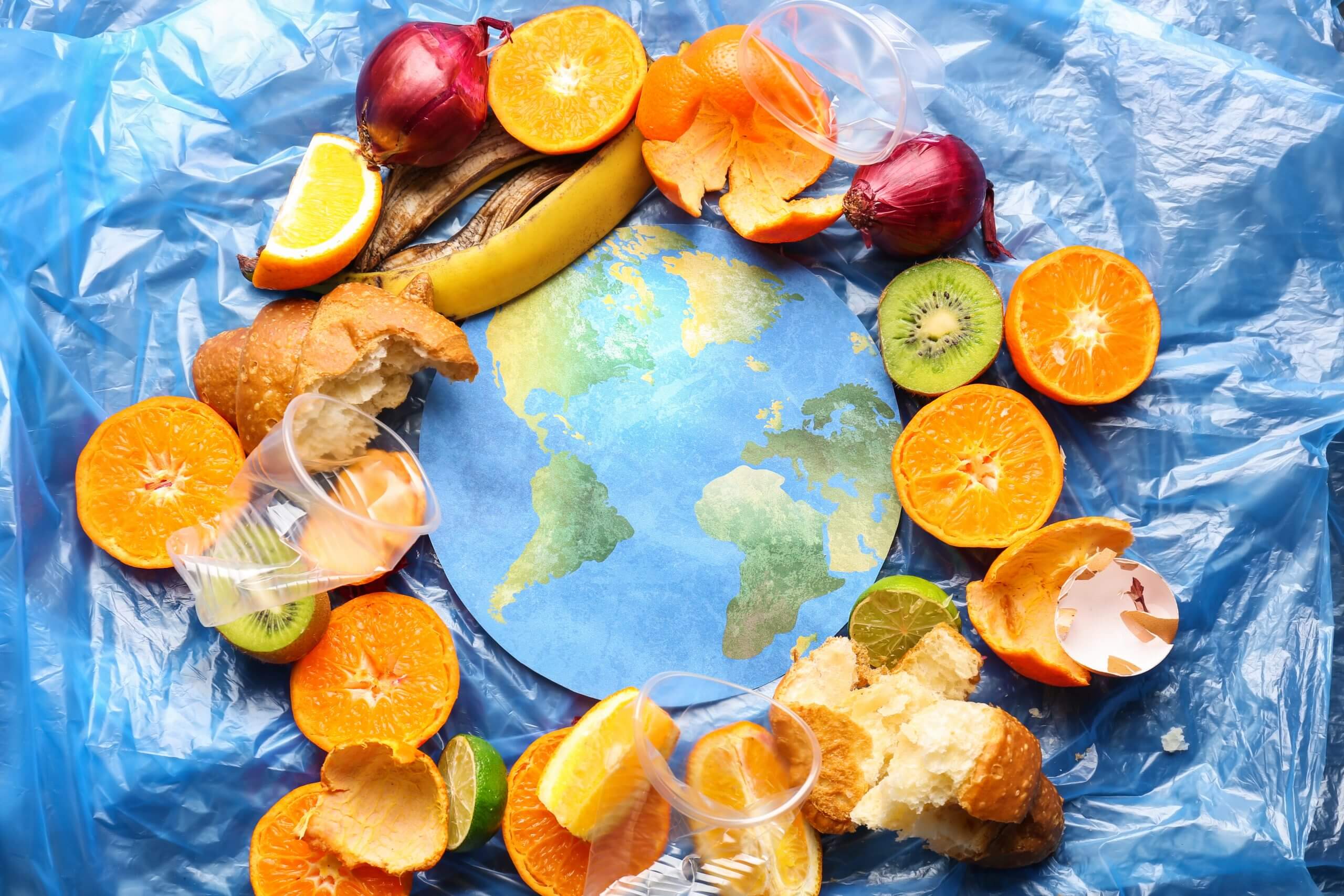
Why Reducing Food Waste Combats Climate Change
The world is on fire and it is only going to get worse as global warming continues to heat up. Here are three reasons why reducing food waste is vital in combating climate change.


Blog: Food for Thought (and Not for Landfill)
Explore the latest articles on food waste reduction, sustainability strategies, industry developments, aerobic digester technology, and expert insights to drive smarter waste solutions.
Filters
Industry
Category
Power Knot provides environmentally sound products that help reduce costs while reducing your carbon footprint. We sell the LFC biodigester that uses aerobic digestion to convert food waste into water.
Contact Info
Copyright © 2009-2025 Power Knot LLC. All Rights Reserved.