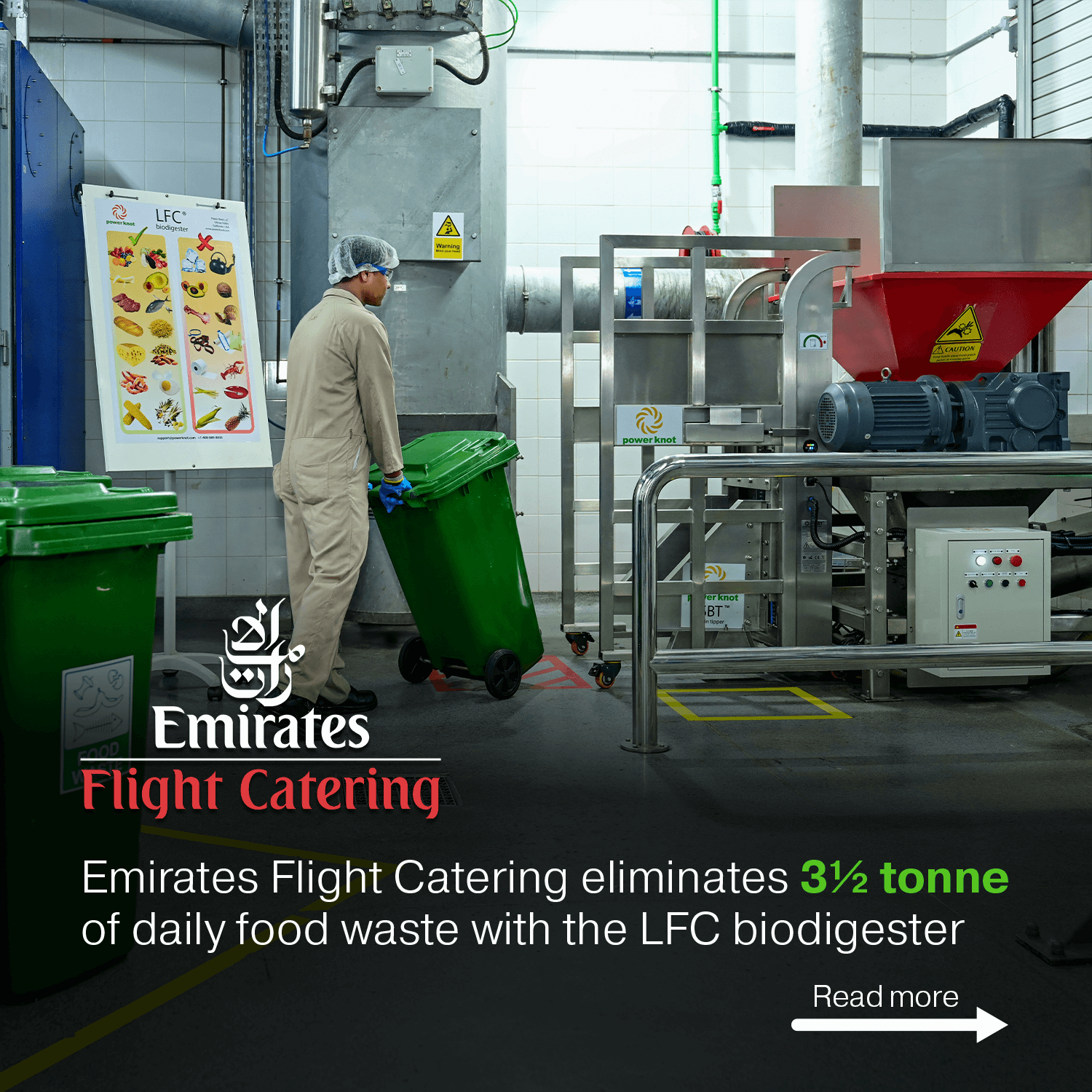
Not So Sustainable: The Problem with Zero Waste to Landfill and Waste-to-Energy
We discuss the differences between zero waste to landfill, waste-to-energy and zero waste and how it impacts corporate sustainability.
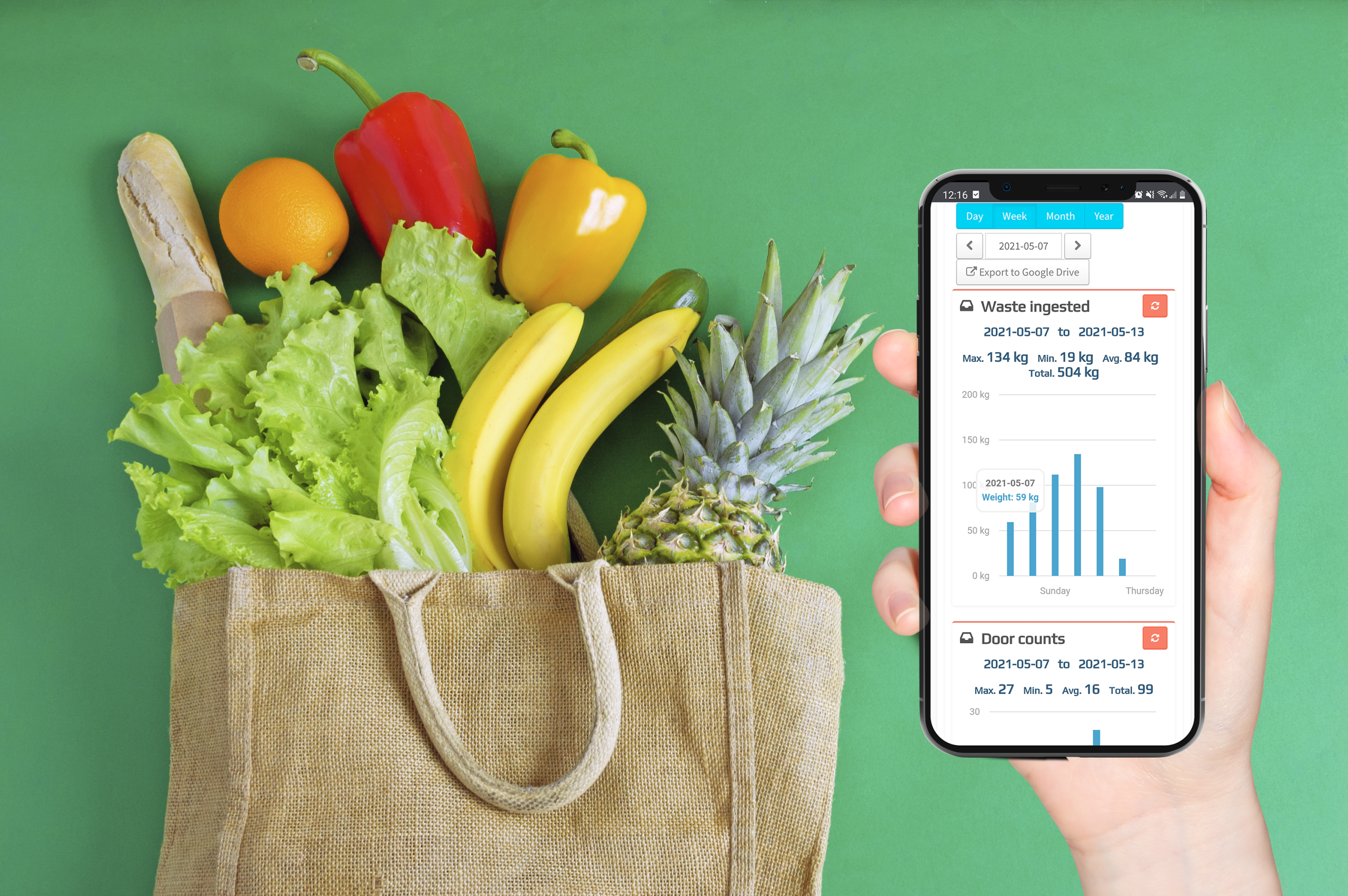
How Supermarkets and Grocery Stores Can Prevent Food Waste and Climate Change
Supermarkets and grocery stores face a unique plight in America — nearly 30 percent of food is thrown away before it ever reaches the consumer despite the fact that 10.5 percent of households are food insecure. The best way for retail markets and grocery stores to combat climate change isn't just to procure the food from sustainable sources but includes shifting their focus to preventing food waste.
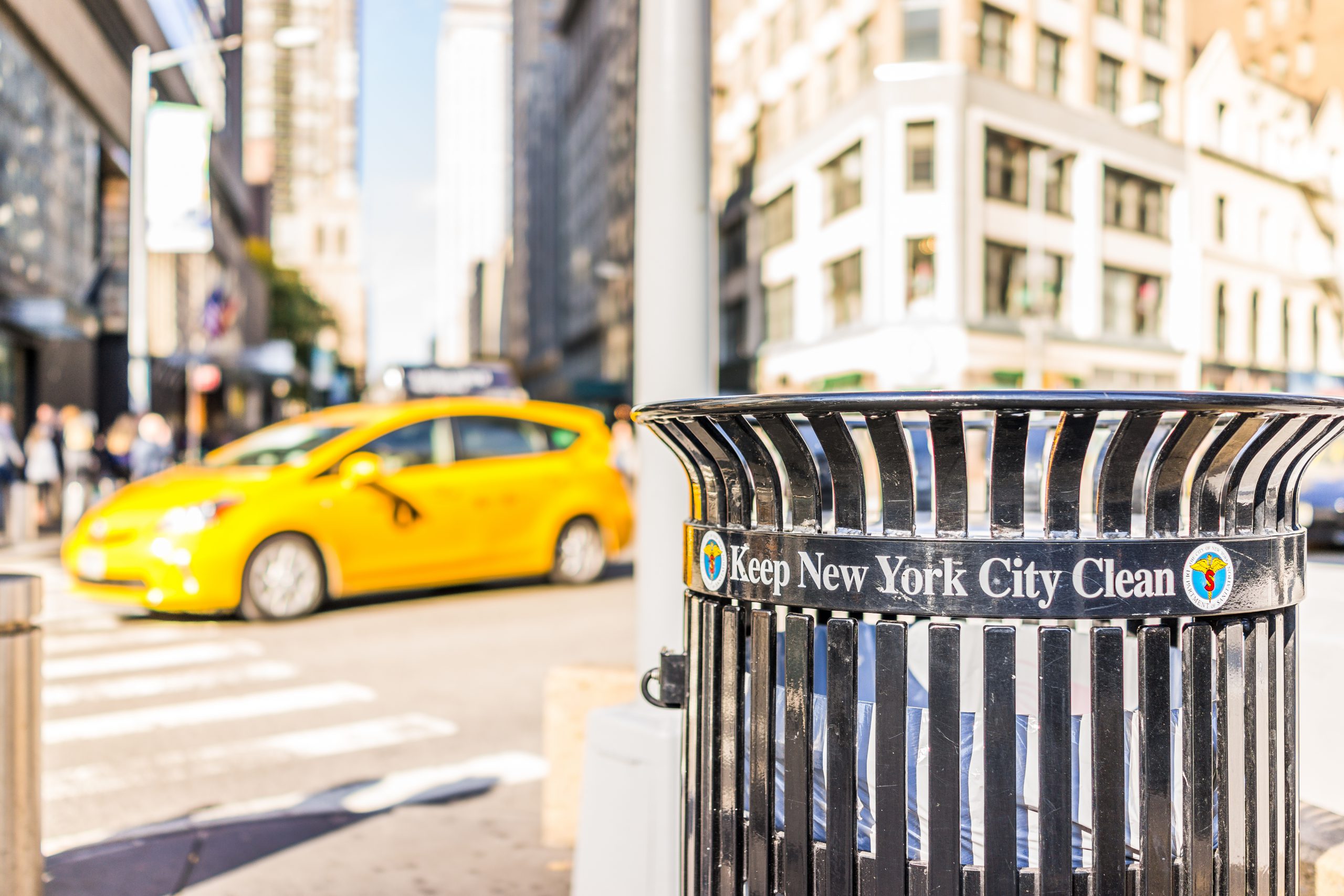
New York Takes a Firm Stance on Food Waste
As of January 1, 2022, the New York food waste law will impact organizations located within 25 miles of an organic waste recycler. Here's how you can determine if this law applies to you and what waste management options exist.
Sustainability Education is Key to Reducing Global Warming
Given that individuals aged 24 years and younger today account for nearly 40 percent of the entire global population, sustainability education can serve as a powerful tool for helping today™s youth drive needed reductions in global warming.
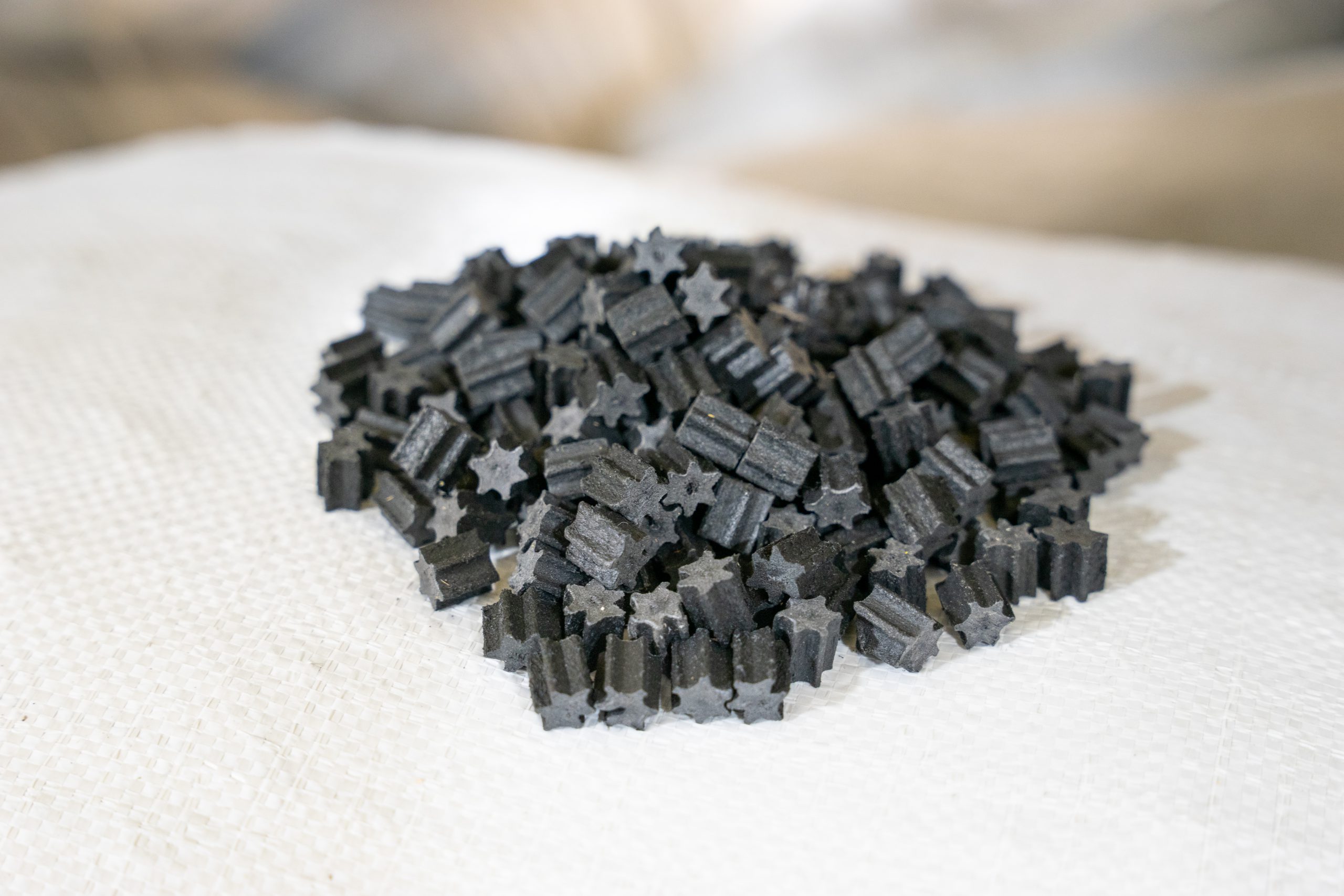
How Microorganisms work in Biodigesters
When food waste enters the LFC biodigester, it seemingly disappears in just a few hours. This seemingly magical process is actually the work of billions of tiny little microbes in a special mix called Powerzyme. We dive into how microorganisms help turn food waste into water in a natural process called aerobic digestion.
Five Ways Food Digesters Improve Manufacturing Business Operations
Many businesses fail to understand is that the initial costs of sustainability actually lead to long term savings and costs. In a recent LinkedIn Live with Bruce Carnohan, we discuss five ways on how using an onsite food waste digester improves business operations and affects the areas of: convenience, cost, compliance, cleanliness, and control.

Consumer Expectations for the Sustainable Food Practices
As sustainability has become more mainstream, awareness is also growing around the environmental stewardship of food products. We review a holistic approach and a cost case for sustainable food practices.
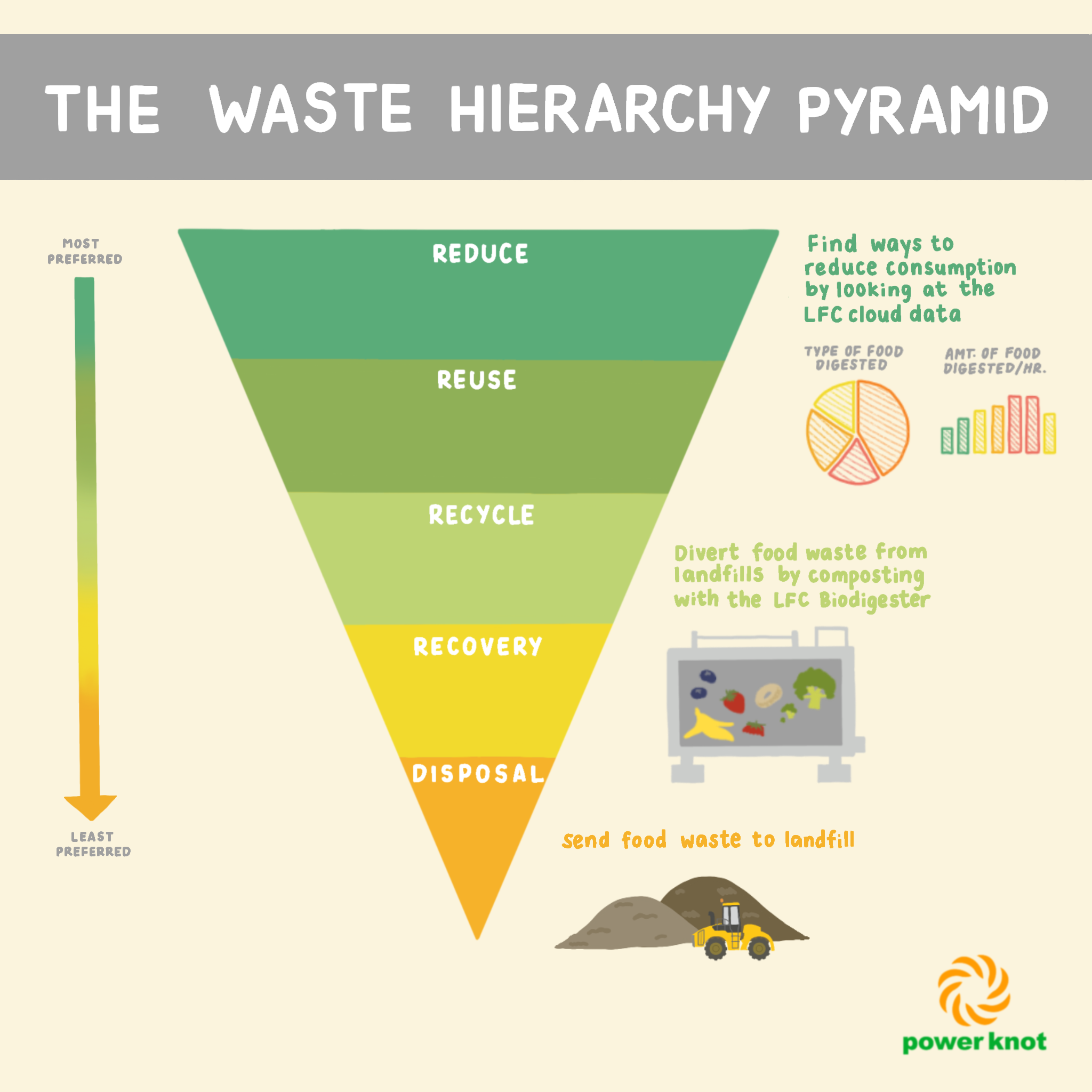
The Food Waste Hierarchy: How to Apply the Framework to Your Sustainability Goals
Between 30% and 40% of food supply in the United States goes to waste each year, according to the USDA, with tremendous impact to the environment from agricultural processes to the disposal of food waste. The food waste hierarchy pyramid is an ideal framework for addressing this problem. By applying this framework to your corporate sustainability plans, organizations can make a tremendous impact on reducing food waste and its impact on climate change.

Why Sustainability is Key for Restaurants Returning to a Post-Covid World
As the world slowly begins to reopen, restaurant owners find themselves facing new pressure points that the post-pandemic era has unwittingly created. Though many restaurants are cutting costs in various areas, we have found that sustainability is key in addressing these issues and helping restaurants persevere through these new uncharted waters.


Blog: Food for Thought (and Not for Landfill)
Explore the latest articles on food waste reduction, sustainability strategies, industry developments, aerobic digester technology, and expert insights to drive smarter waste solutions.
Filters
Industry
Category
Power Knot provides environmentally sound products that help reduce costs while reducing your carbon footprint. We sell the LFC biodigester that uses aerobic digestion to convert food waste into water.
Contact Info
Copyright © 2009-2025 Power Knot LLC. All Rights Reserved.