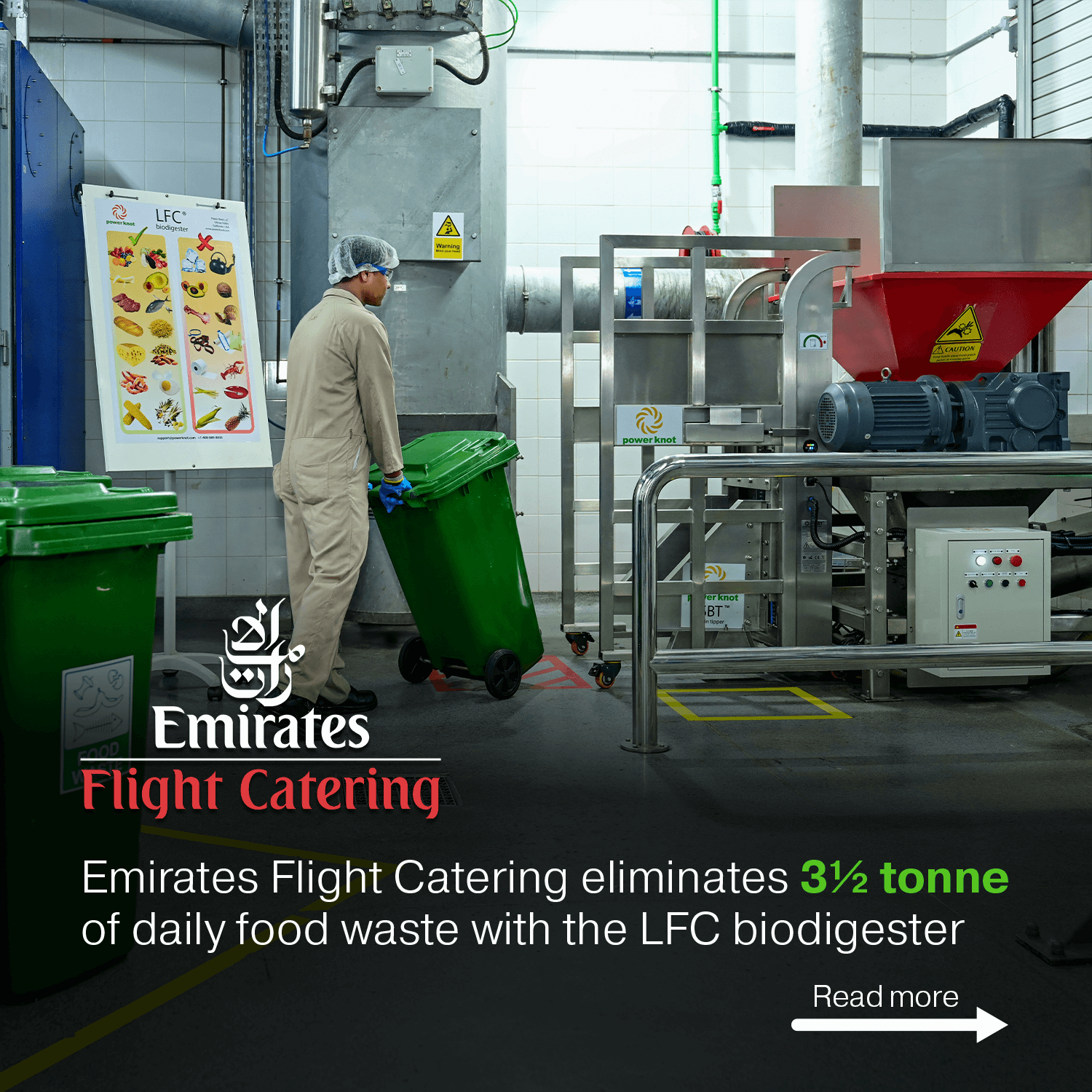
Biodigesters: good or bad for the environment?
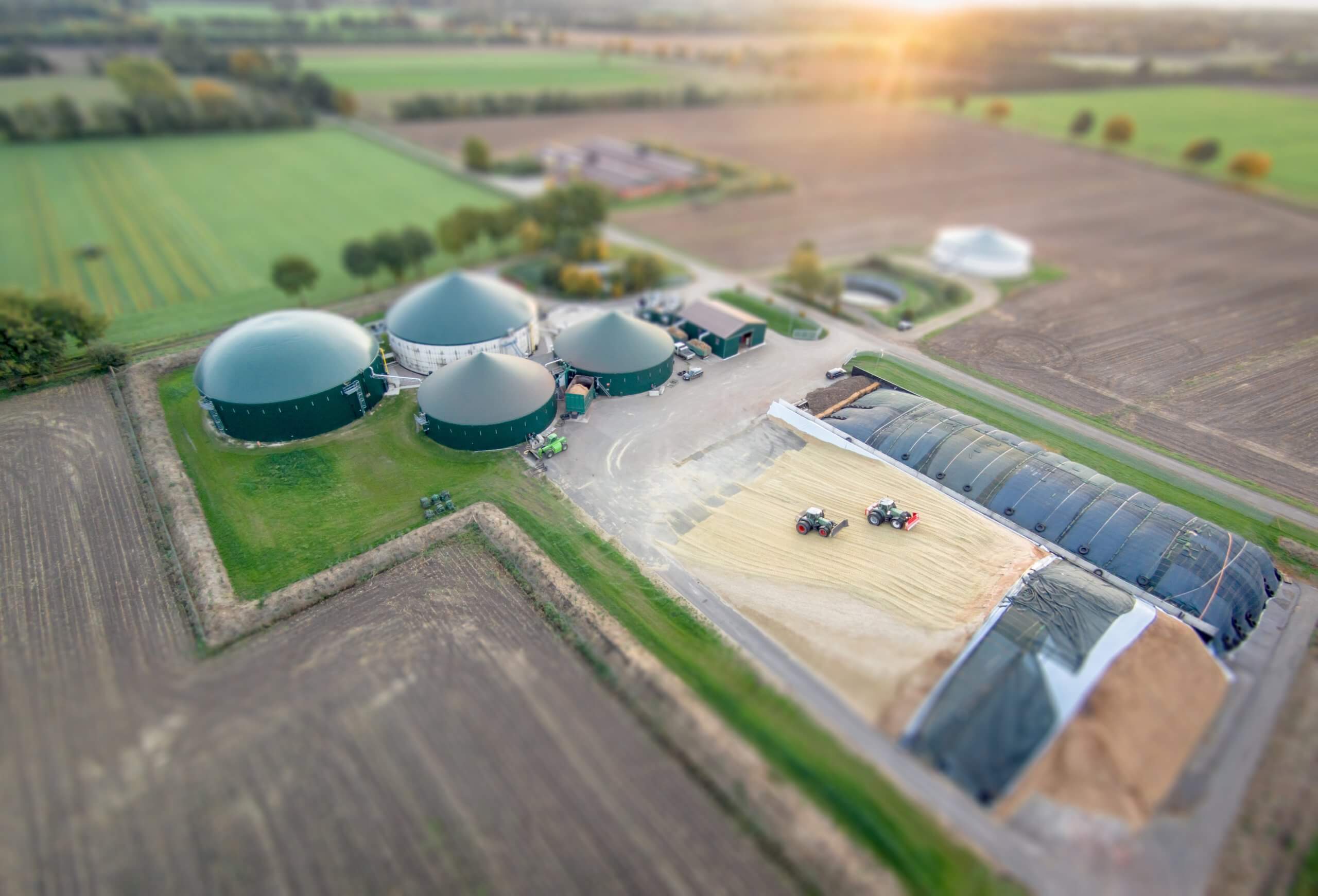
Digesters have emerged as a popular, environmentally friendly choice for managing food waste. In fact, some states are investing millions into these digesters. However, other states are levying millions in fines against digester operators accused of polluting their environment. The truth is that there are two distinct types of digesters, with two very different environmental impacts.
Think Organic this National Recycling Day
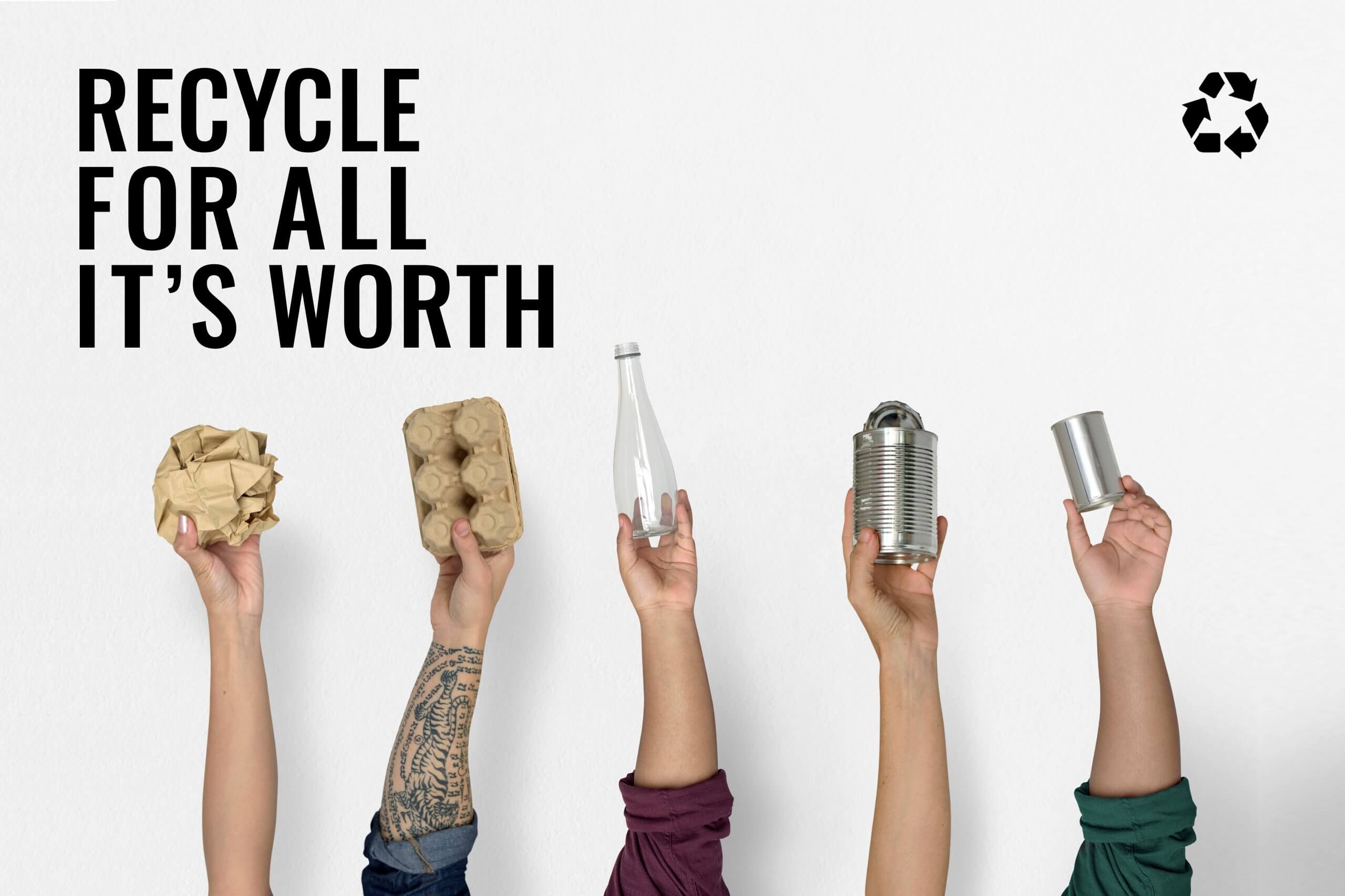
When most people think of recycling, finished products like glass, cardboard, aluminum and similar products typically come to mind. Recycling food waste can help reduce your garbage load by at least 30%.
How you handle food waste impacts global warming
There’s increasing recognition that food loss and food…
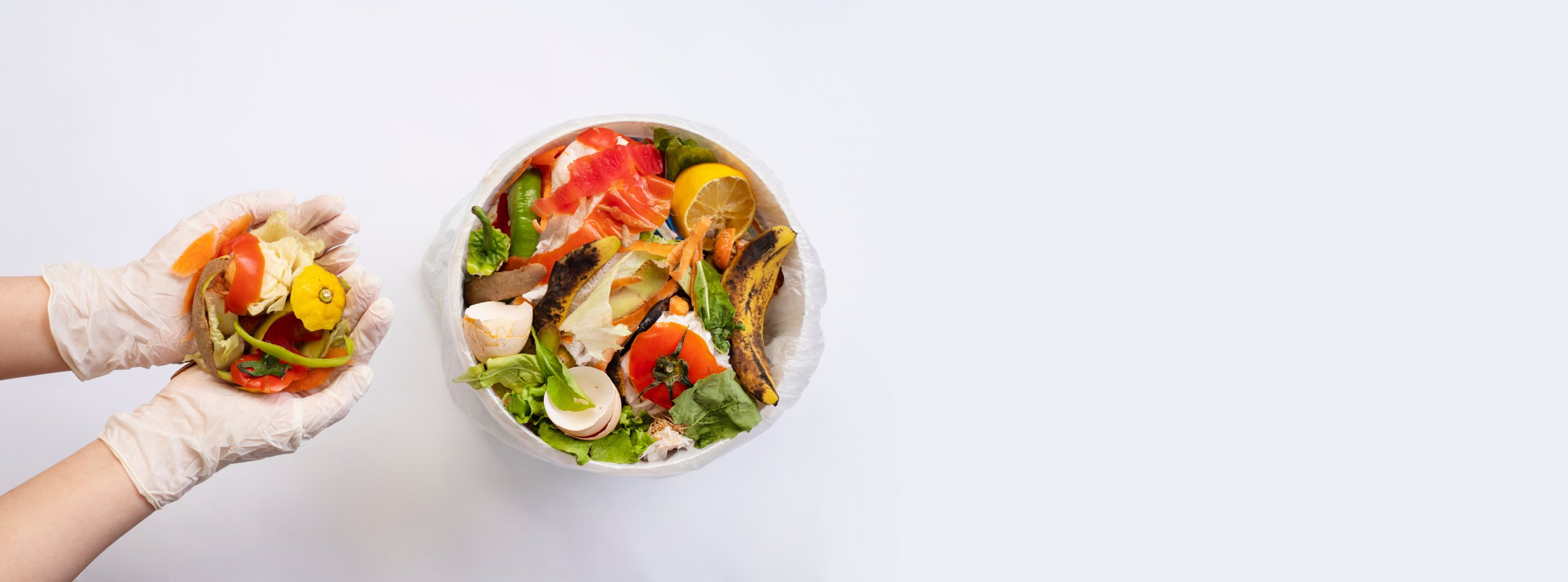
Four False Assumptions You’re Making About Food Waste
The problem of food waste is getting more…

How inflation and food waste plays a role in rising costs of food
The cost of food continues to skyrocket. The
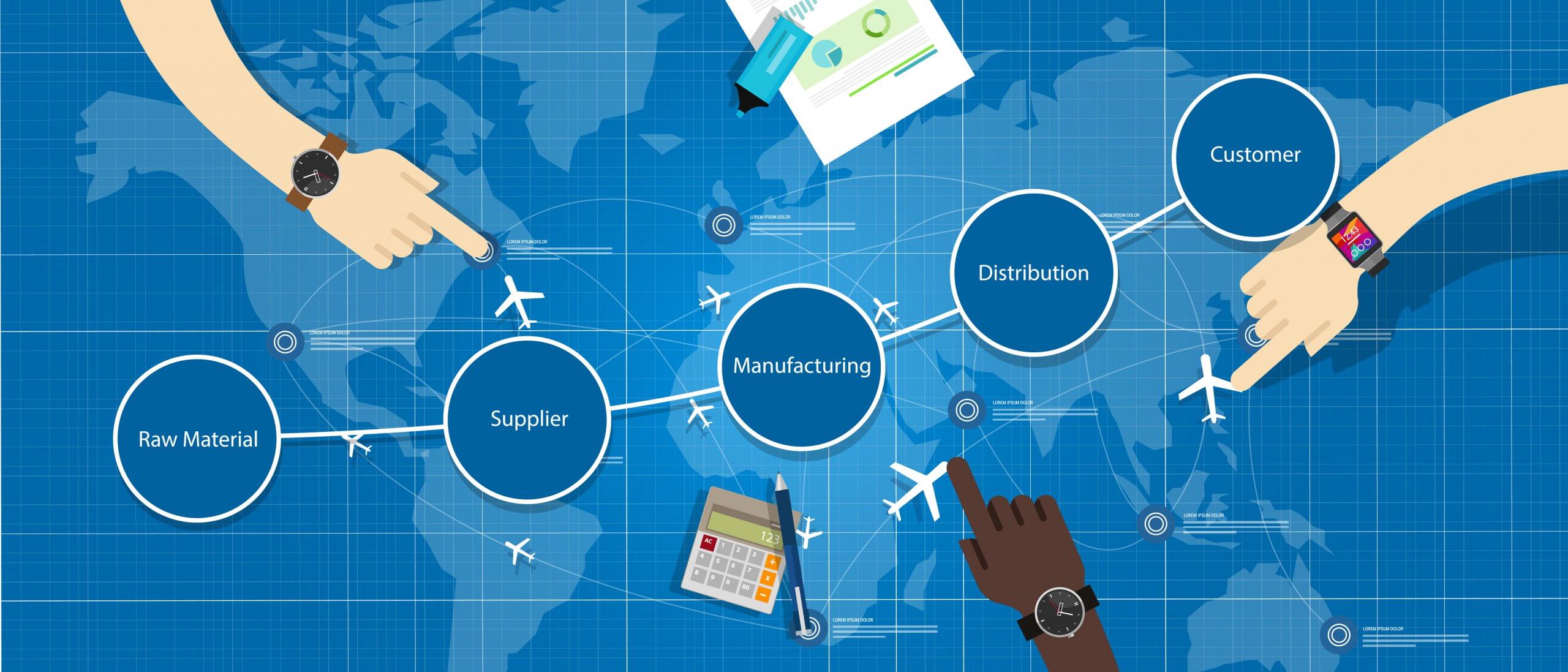
What part of the supply chain is responsible for food waste?
According to the Food and Agriculture Organization of…
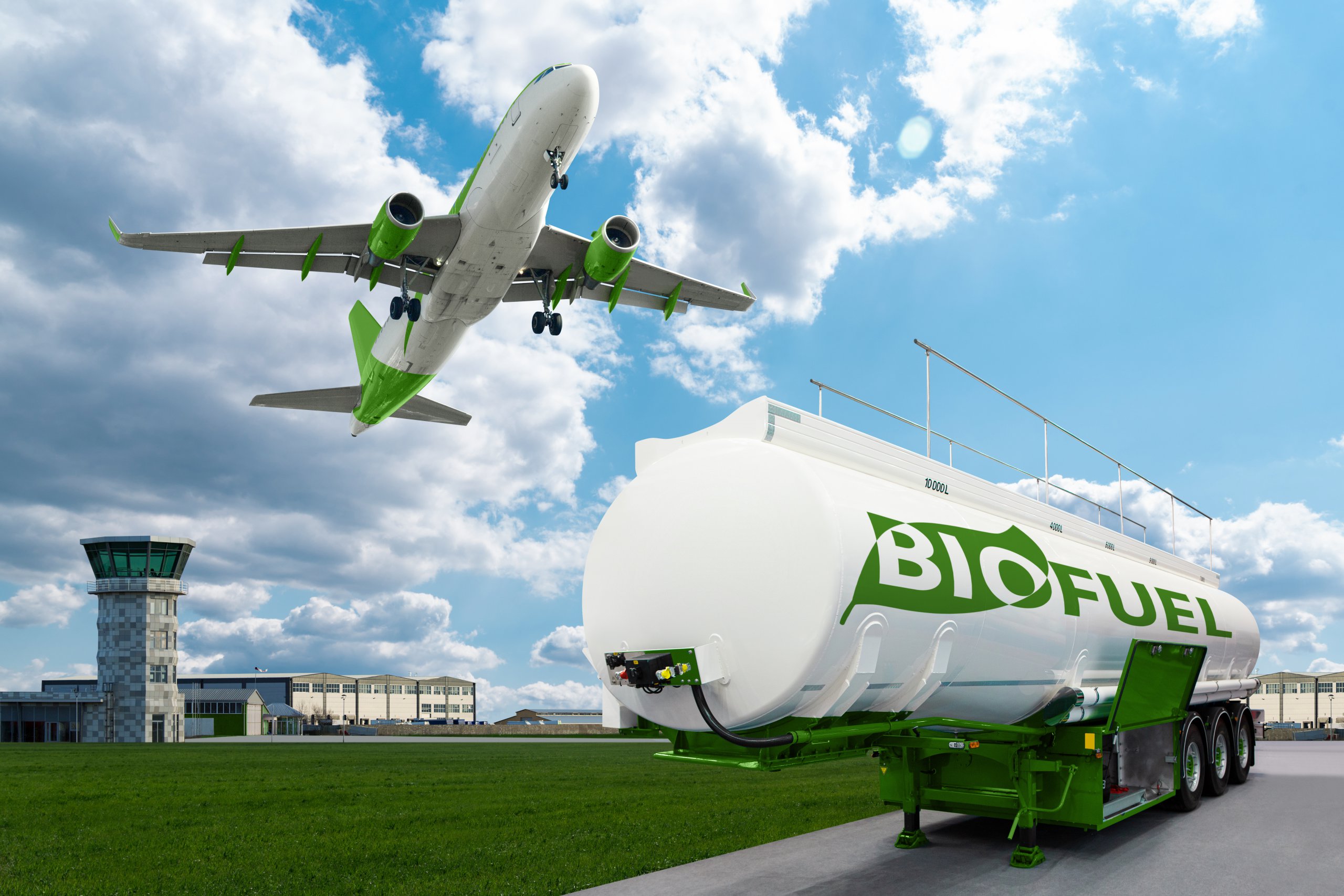
Advantages and disadvantages of biofuels
Biofuels have long been touted as a sustainable alternative to fossil fuels because they are made from renewable resources. However, there’s ample evidence emerging that the production of biofuels and their subsequent combustion contribute to environmental problems.
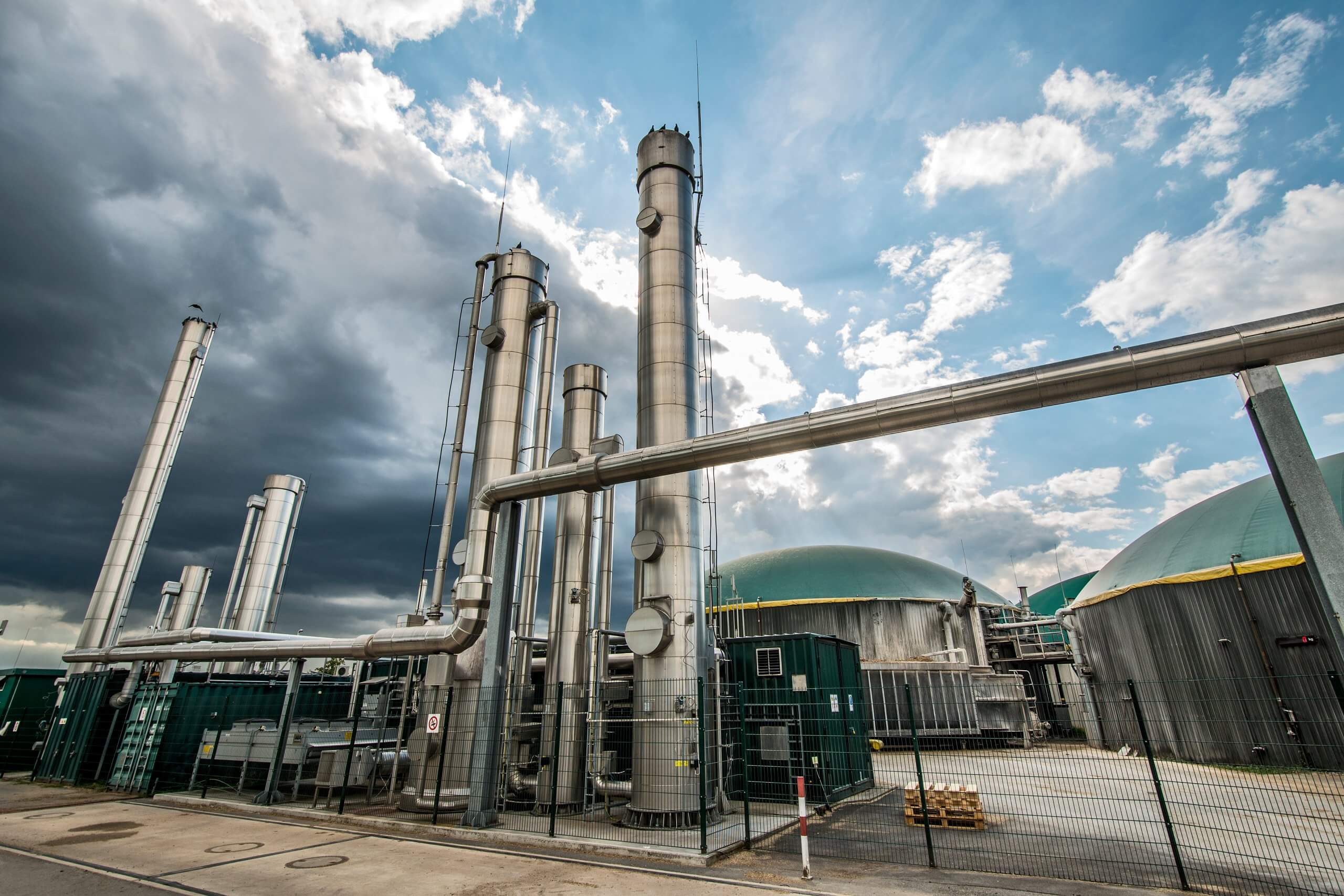
The true cost of anaerobic biodigesters: Is biogas worth it?
Today, millions of dollars are being poured into the construction of anaerobic digestion facilities. But are these facilities truly living up to their sustainability promise? Or is anaerobic digestion a feel-good solution for the disposal of organic waste?
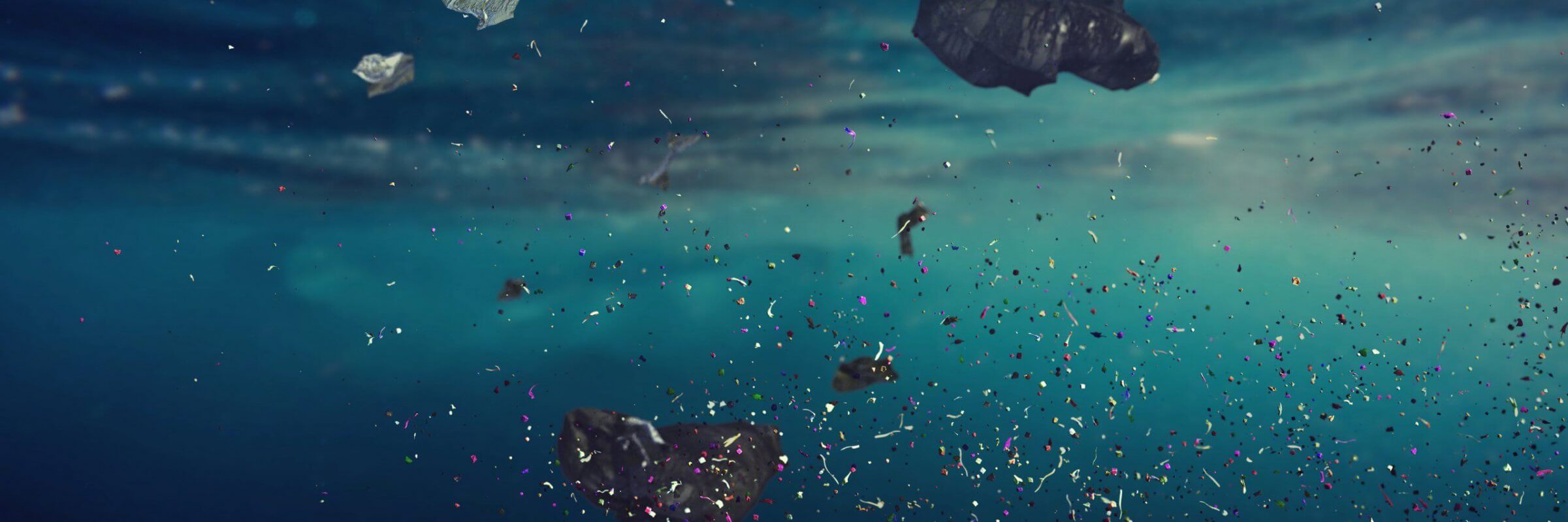
How improper food waste management leads to microplastics in the ocean
When a single-use plastic bag from the grocery store or plastic straw from a morning coffee doesn’t make it to the recycling center, it is discarded. Only 9% of plastic waste gets recycled. Most of the plastic waste ends up in the ocean or the landfill. When it ends up in the ocean, the plastic slowly breaks down into microplastics–a big small problem that is causing unknown and adverse effects on the environment.


Blog: Food for Thought (and Not for Landfill)
Explore the latest articles on food waste reduction, sustainability strategies, industry developments, aerobic digester technology, and expert insights to drive smarter waste solutions.
Filters
Industry
Category
Power Knot provides environmentally sound products that help reduce costs while reducing your carbon footprint. We sell the LFC biodigester that uses aerobic digestion to convert food waste into water.
Contact Info
Copyright © 2009-2025 Power Knot LLC. All Rights Reserved.