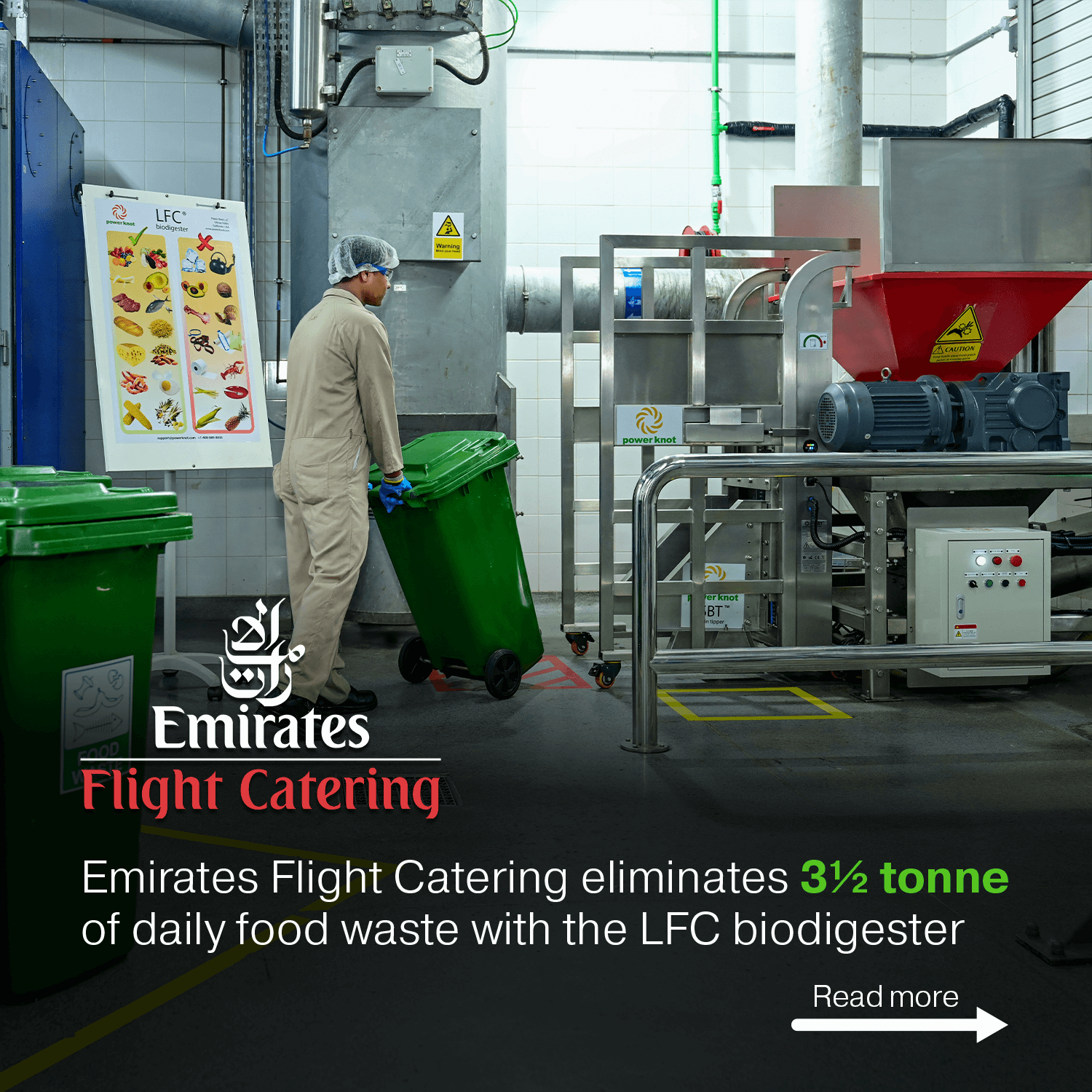
Consumer Expectations for the Sustainable Food Practices
As sustainability has become more mainstream, awareness is also growing around the environmental stewardship of food products. We review a holistic approach and a cost case for sustainable food practices.
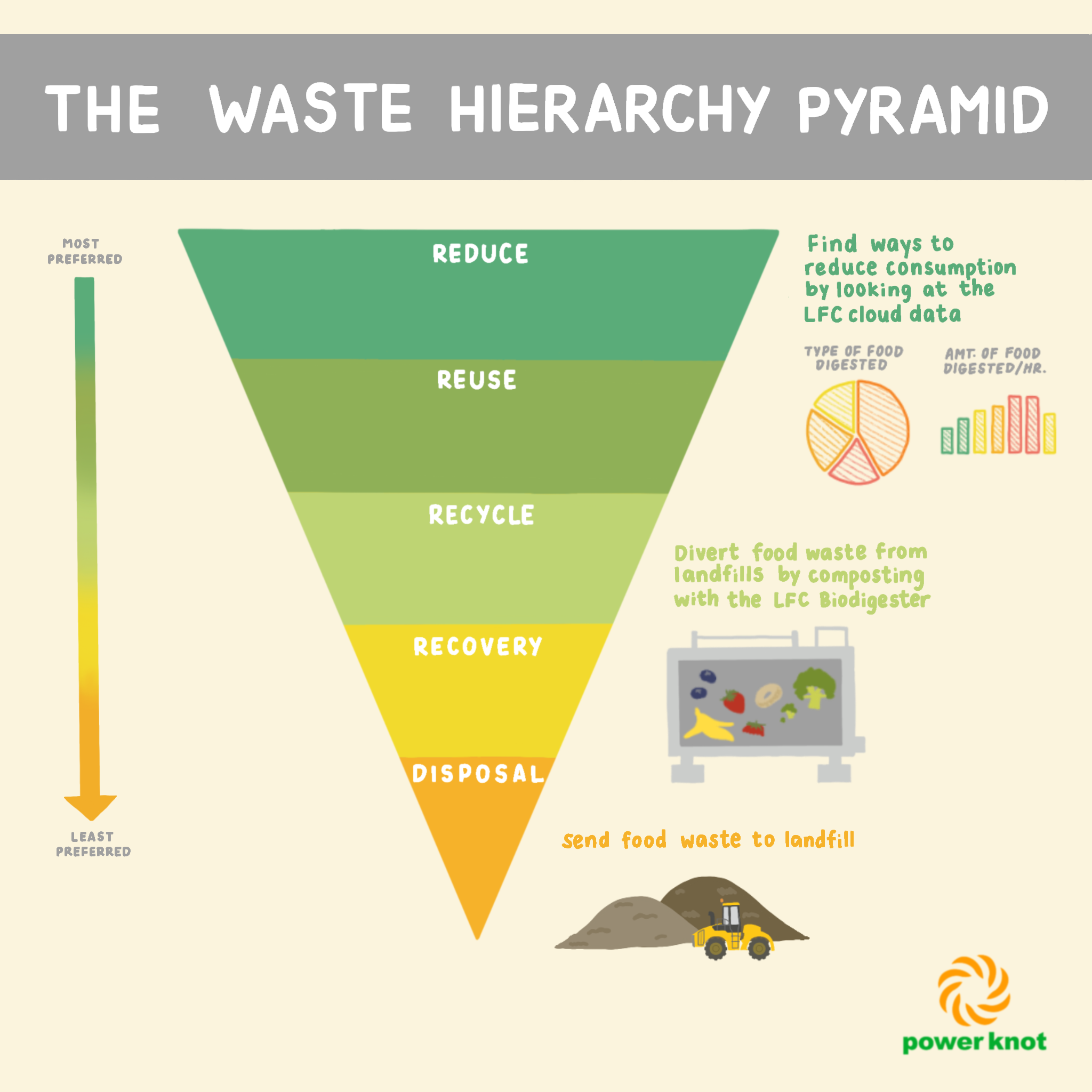
The Food Waste Hierarchy: How to Apply the Framework to Your Sustainability Goals
Between 30% and 40% of food supply in the United States goes to waste each year, according to the USDA, with tremendous impact to the environment from agricultural processes to the disposal of food waste. The food waste hierarchy pyramid is an ideal framework for addressing this problem. By applying this framework to your corporate sustainability plans, organizations can make a tremendous impact on reducing food waste and its impact on climate change.

The Maldives’ Movement towards Sustainable Waste Management
With more than 80% of its 1,190 coral islands standing less than 1 meter above sea level, the Maldives is particularly vulnerable to changes in sea level. If global warming continue at the same pace, most of the Maldives Republic's 200 inhabited islands may need to be abandoned by 2100. We discuss how the Maldives are currently tackling waste management and how sustainable changes can save the islands.

Building a Business Case for Sustainability Solutions: Carbon Summit Recap
Over the course of two days, experts in the fields of agriculture, sustainability, climate change, and renewable technologies shared their visions in the first Carbon Summit. We review how achieving these carbon reductions requires recognition that sustainability takes many forms and requires a community that can build progress together.
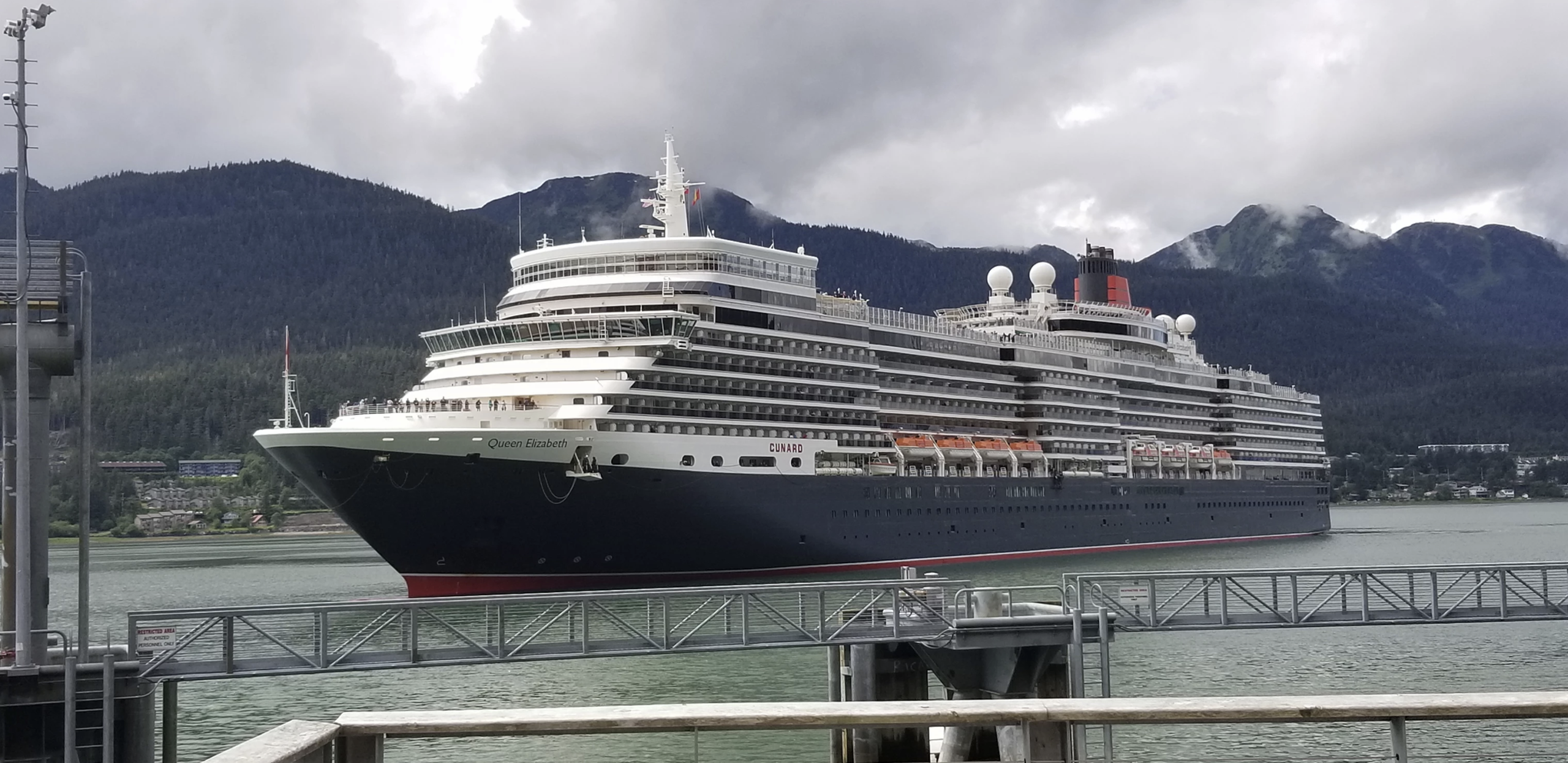
Cruise Ships Set Sail with Power Knot Biodigesters on Board
As more cruise lines seek to green their operations, balancing sustainability, operation costs, and MARPOL regulations, food waste has presented an opportunity to make a major difference. Ships of all sizes are finding that having onboard biodigesters present benefits in not only breaking down cruise ship food waste but minimizing the labor and costs associated with disposal.

4 Reasons Why Biodigesters are the Intelligent Food Waste Solution for Aged Care Facilities
Aged care facilities are discovering four major benefits to owning an LFC biodigester: increase cleanliness, lower costs, save time, and supporting staff.
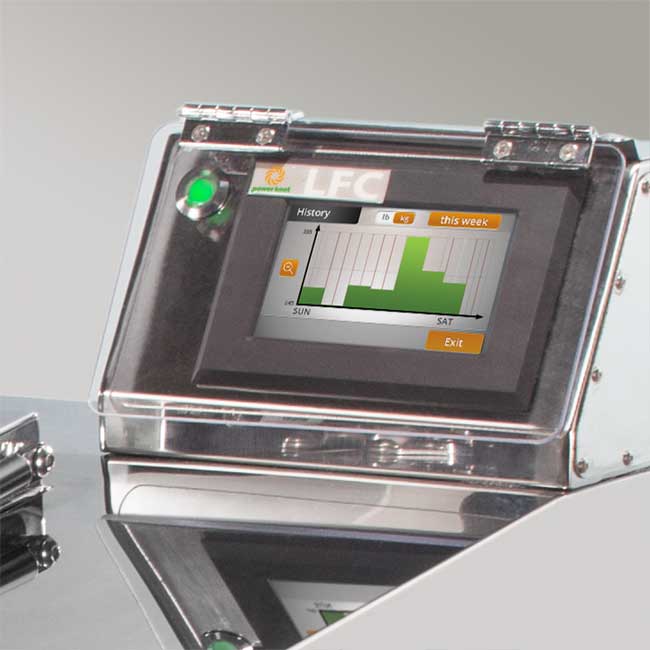
How Data Analytics on Food Waste Can Help Optimize Your Operations
Most kitchen managers don't give a second thought to the organic waste going into the trash. However, restaurants and commercial kitchens can stand to improve their operational efficiency, reduce costs, and meet sustainability goals by analyzing the amount of food waste.
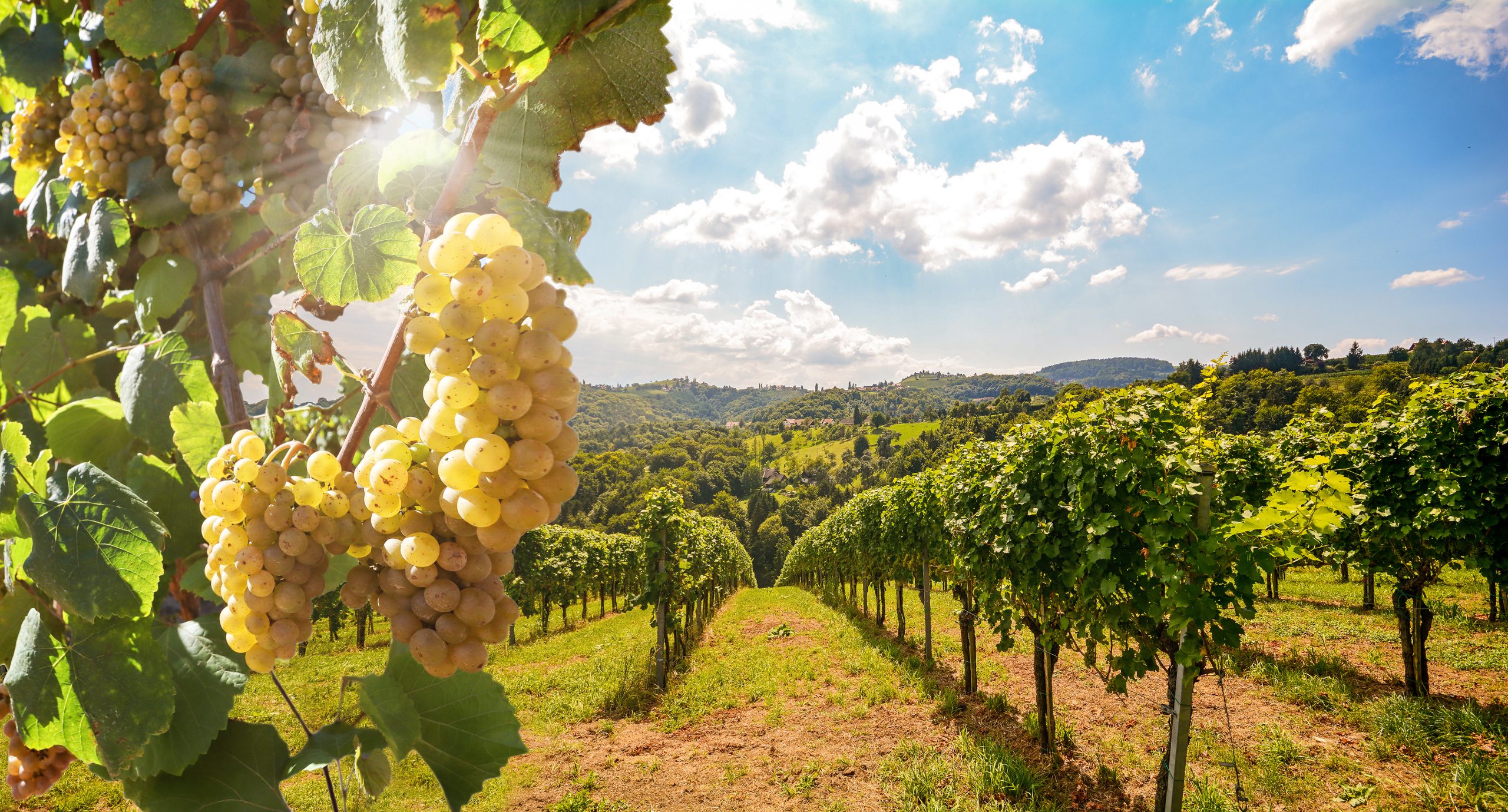
Balancing Sustainability and Customer Experience in Wineries, Breweries and Distillers
Sustainable wineries attract more consumers, proclaimed a recent article in Grapevine Magazine. It cited surveys of wine consumers in the U.S., Canada, Sweden and the UK that indicate a willingness to pay more for sustainably produced wine. It can be a challenging, if incredibly worthwhile, step to move to greater sustainability in the wine industry, in craft brewing, and among distilleries. Fortunately, today there are ample options available to help vintners, brewers, and distillers reduce their operations™ carbon emissions.
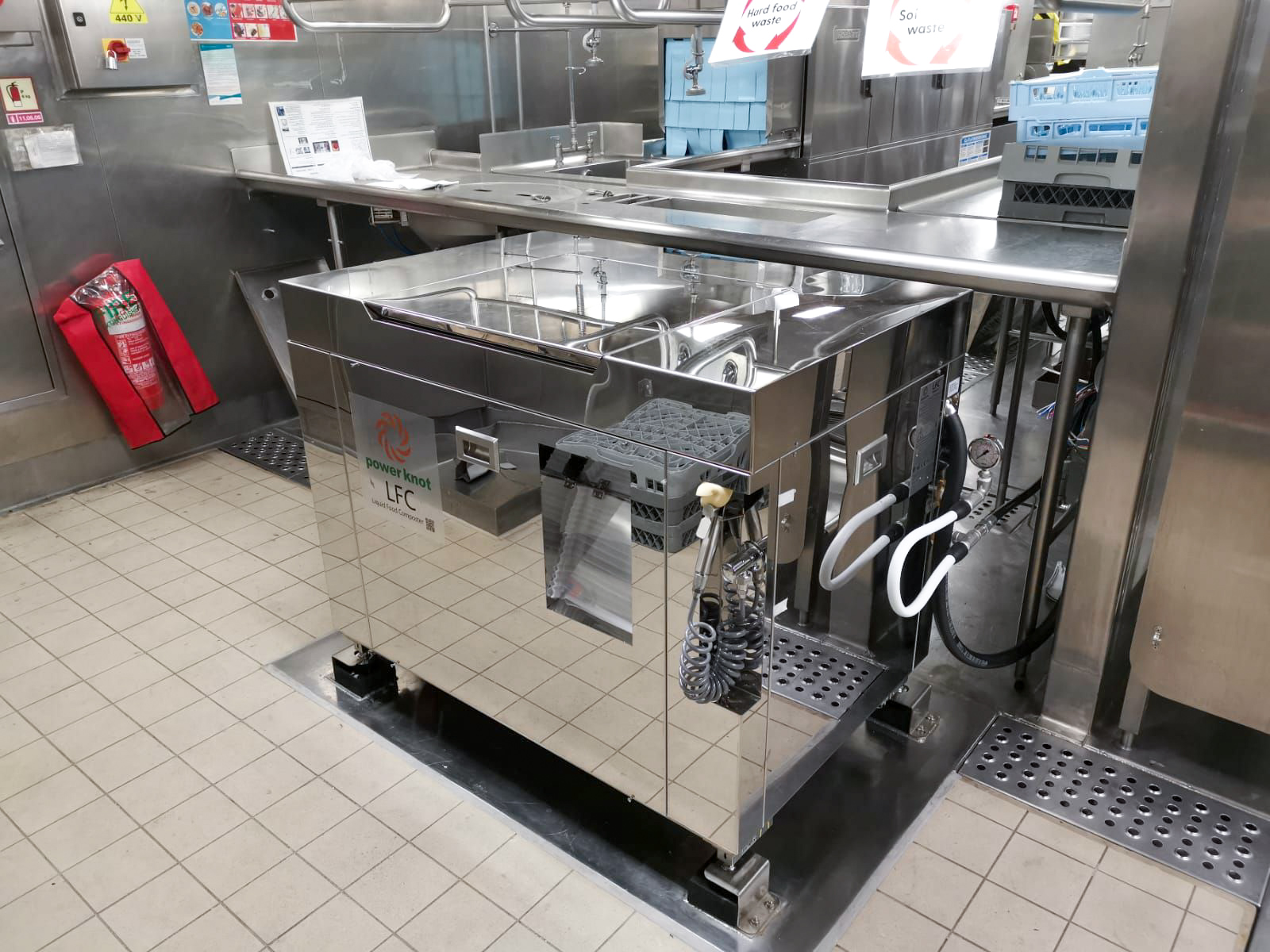
Install a Food Waste Digester in Four Simple Steps
Contrary to popular belief, installing a food waste digester is very easy. Most LFC biodigesters can be installed in less than a day. Following these four simple steps to properly installing a food waste digester will ensure maximum longevity of the machine with minimal issues.


Blog: Food for Thought (and Not for Landfill)
Explore the latest articles on food waste reduction, sustainability strategies, industry developments, aerobic digester technology, and expert insights to drive smarter waste solutions.
Filters
Industry
Category
Power Knot provides environmentally sound products that help reduce costs while reducing your carbon footprint. We sell the LFC biodigester that uses aerobic digestion to convert food waste into water.
Contact Info
Copyright © 2009-2025 Power Knot LLC. All Rights Reserved.