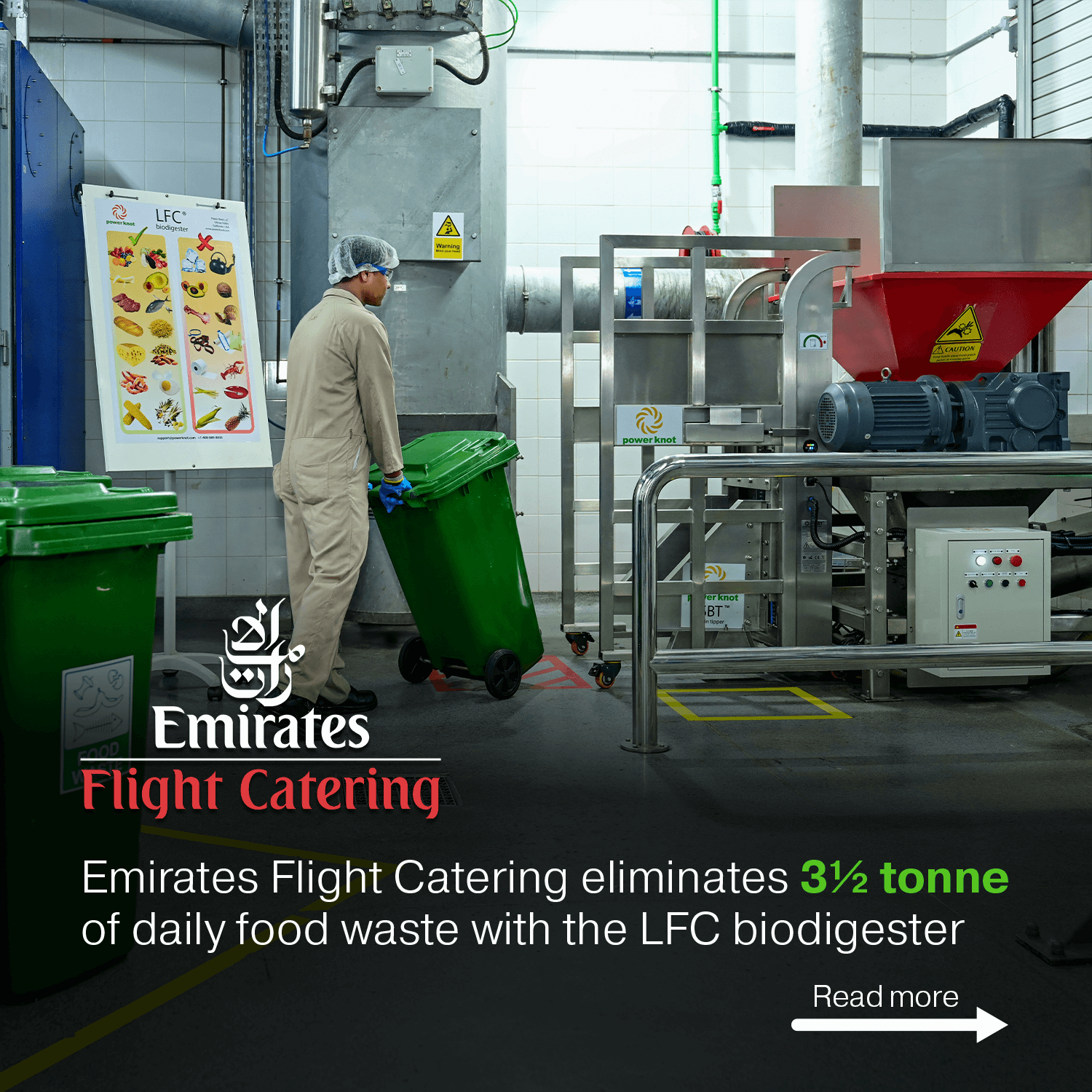
Exploring the psychology behind food waste
Food waste is a global problem with severe environmental, economic, and social impacts, yet psychological barriers often hinder effective waste reduction. We explore the mental factors driving food waste, such as biases against imperfect produce and the tendency to overbuy, and how innovative solutions like the LFC biodigester can help change behaviors and improve waste management.
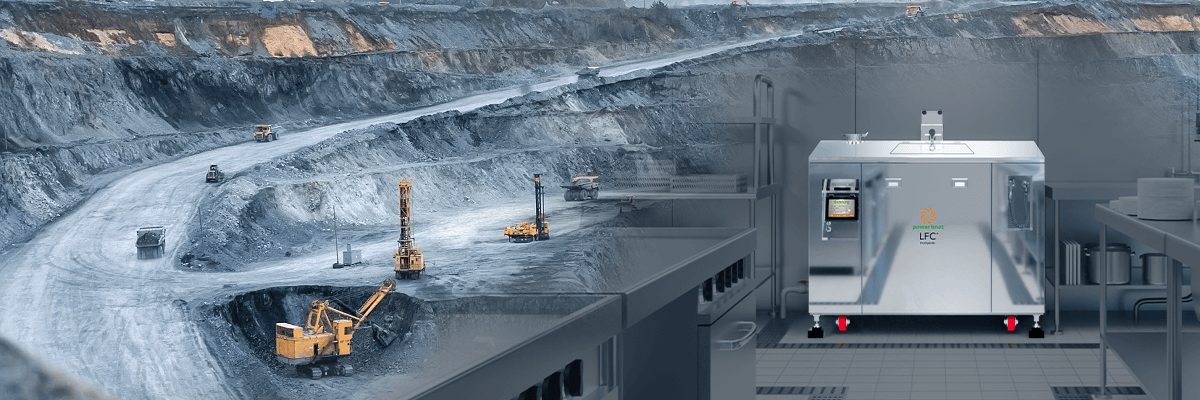
How food waste digesters support mining and remote camp success
Handling food waste can be a messy, labor-intensive…

The hidden liabilities of dehydrated food waste
Dehydrating food waste has gained popularity as a method for managing kitchen scraps; however, it poses risks such as contamination with pathogens and microplastics, as well as rehydration-related hazards.
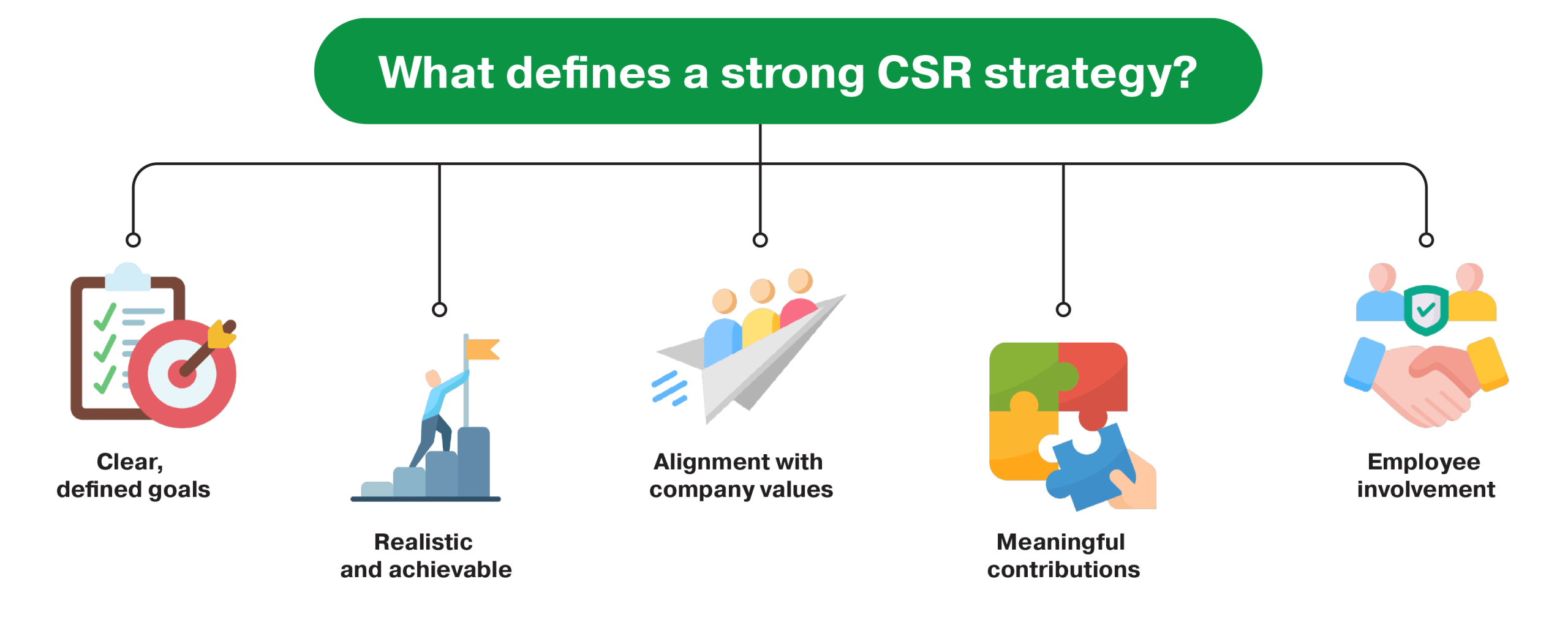
How Scope 3 Emissions Can Make or Break Your Sustainability Plan
Understand how managing Scope 3 emissions is essential for your CSR strategy. Learn effective strategies to measure, reduce, and manage these emissions, ensuring a comprehensive and future-proof sustainability plan.
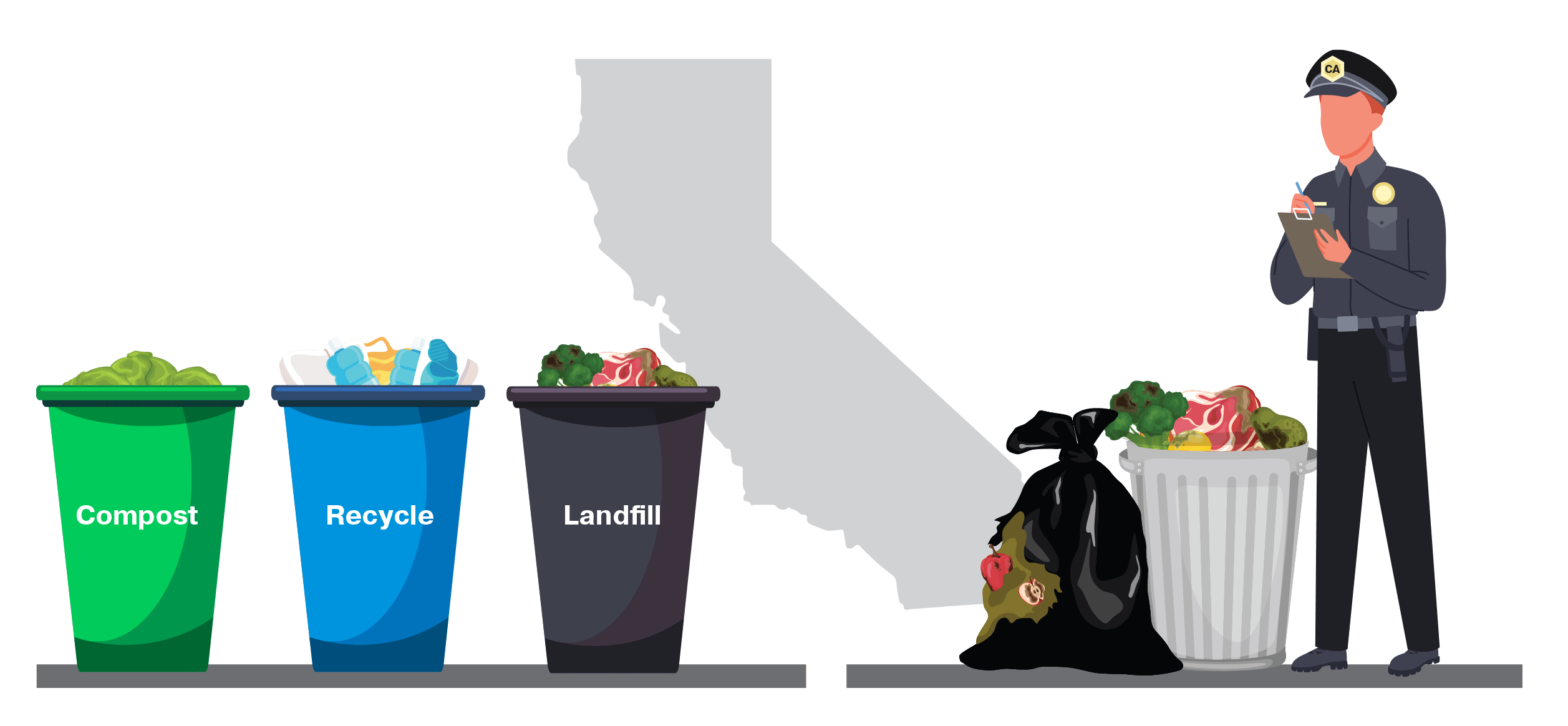
The Costs for Commercial Food Recycling in California
To comply with new organic recycling laws, California business owners are confronted with the task of selecting the most suitable method for food waste recycling. We breakdown the environmental impact and cost benefits of composting, anaerobic digestion, aerobic digestion, and dehydration.
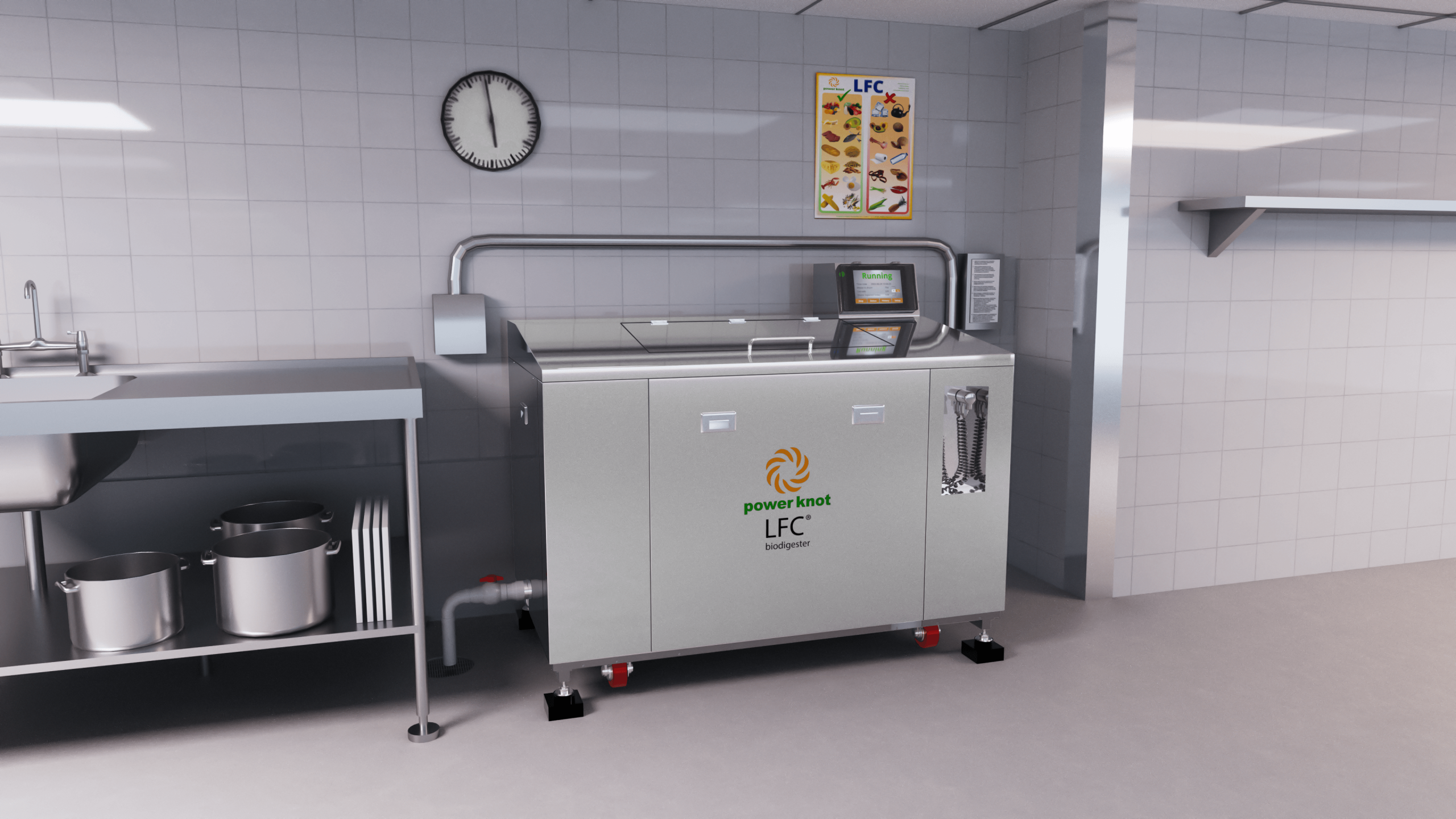
Food waste management: an overview of aerobic digestion
Aerobic digesters have emerged as a popular solution…

Why you should become a U.S. Food Loss and Waste 2030 Champion
Becoming a U.S. Food Loss and Waste 2030 Champion is crucial in addressing the alarming 30-40% food wastage in the United States, contributing to environmental issues and climate change. The initiative, part of the Draft National Strategy by the USDA and EPA, encourages businesses to commit to a 50% reduction in food waste by 2030, offering recognition and technical assistance, and highlights steps including goal-setting, collaboration, and utilizing modern waste management tools like food waste digesters to achieve sustainability.

Beyond the Green Facade: Unmasking the Challenges of Compostable Packaging
While often hailed as a progressive move toward sustainability, compostable packaging faces significant hurdles that hinder its effective integration into standard composting processes. Contamination problems and the necessity for specific conditions pose obstacles to its proper breakdown. "Compostable" labels does not always align with the material's actual composting capabilities.
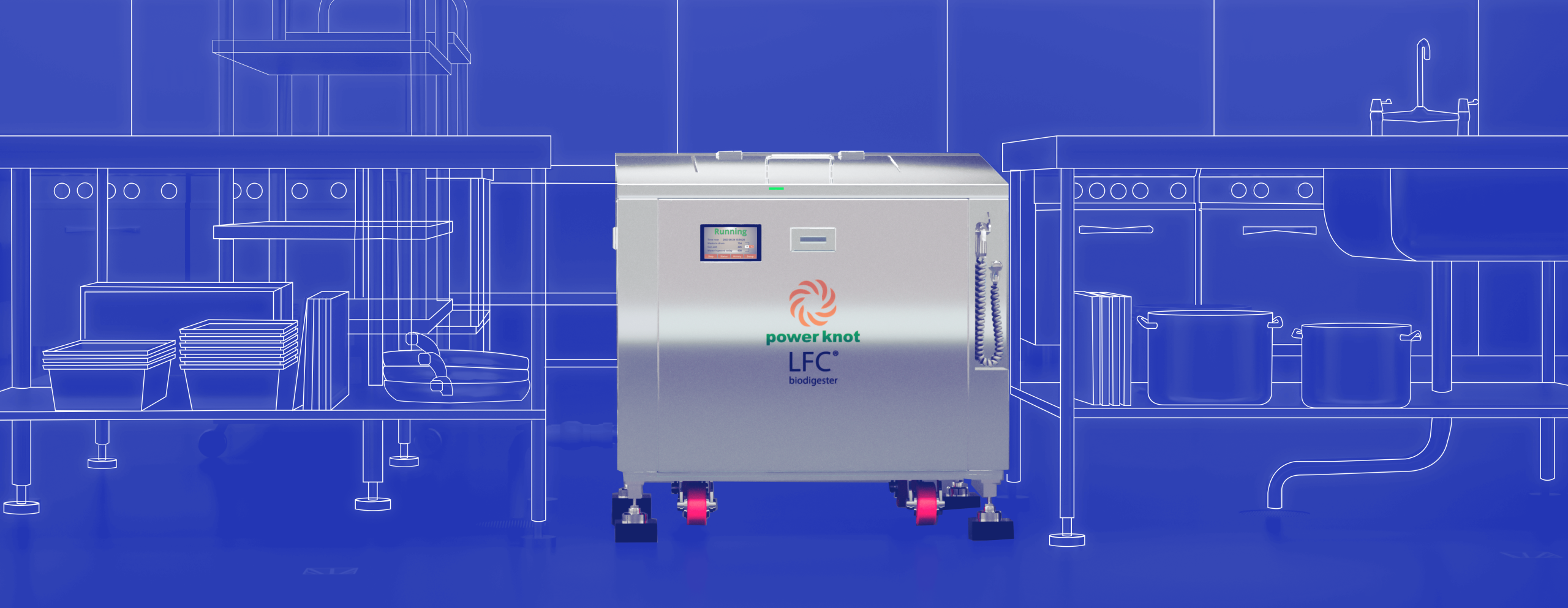
Future proof your Kitchen with Commercial Food Waste Digesters
Commercial food waste digesters align with major trends shaping modern kitchens – efficiency, sustainability, and data analytics. Learn how these innovative solutions reduce carbon emissions, provide valuable data on food waste, and ease the burden on kitchen staff.


Blog: Food for Thought (and Not for Landfill)
Explore the latest articles on food waste reduction, sustainability strategies, industry developments, aerobic digester technology, and expert insights to drive smarter waste solutions.
Filters
Industry
Category
Power Knot provides environmentally sound products that help reduce costs while reducing your carbon footprint. We sell the LFC biodigester that uses aerobic digestion to convert food waste into water.
Contact Info
Copyright © 2009-2025 Power Knot LLC. All Rights Reserved.