Beyond Composting: A cost-effective solution for SB-1383 compliance
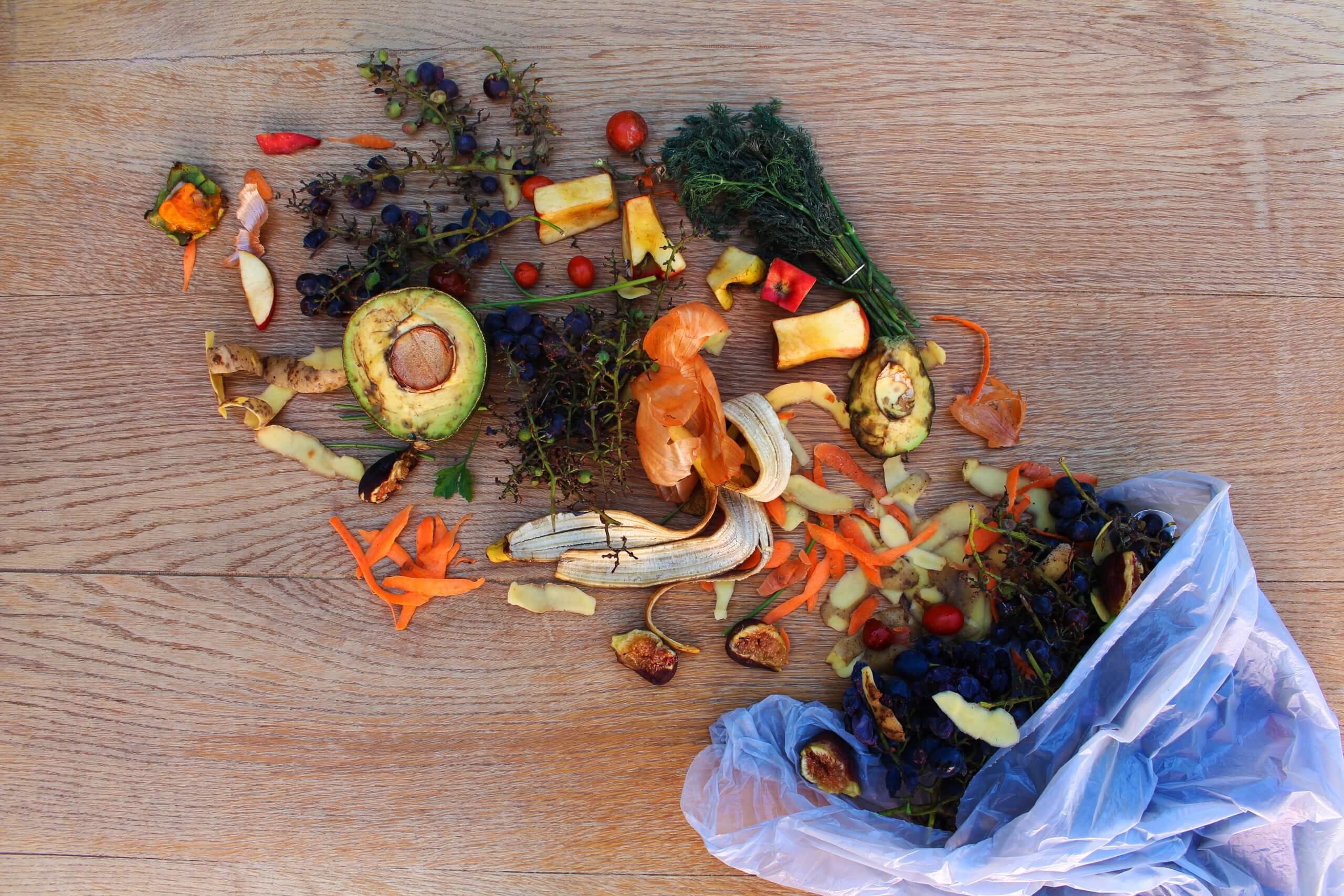
California’s Short-Lived Climate Pollutants Law, SB-1383, took effect on January 1, 2022. We explore the penalties of SB-1383, impact on states, and other tools to help businesses divert their food waste from the landfill.
This is why the marine industry uses biodigesters
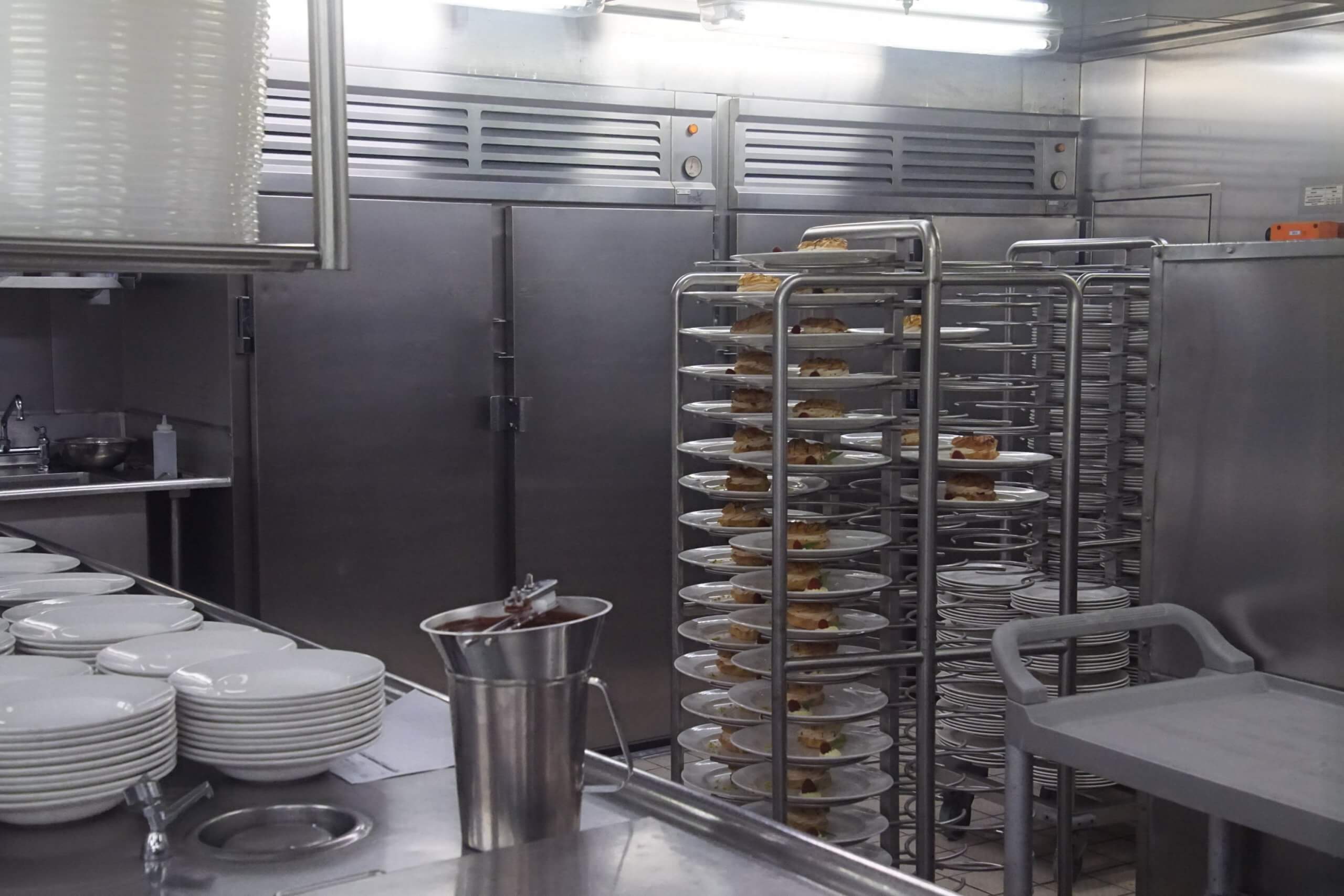
The Power Knot service and support team recently…
How the New SEC Climate Disclosure Rule May Affect Your Business
The SEC has unveiled a historic climate disclosure rules for companies. It would require businesses to report their (Scope 1) greenhouse gas emissions, how climate-related risks impact their business, and more.
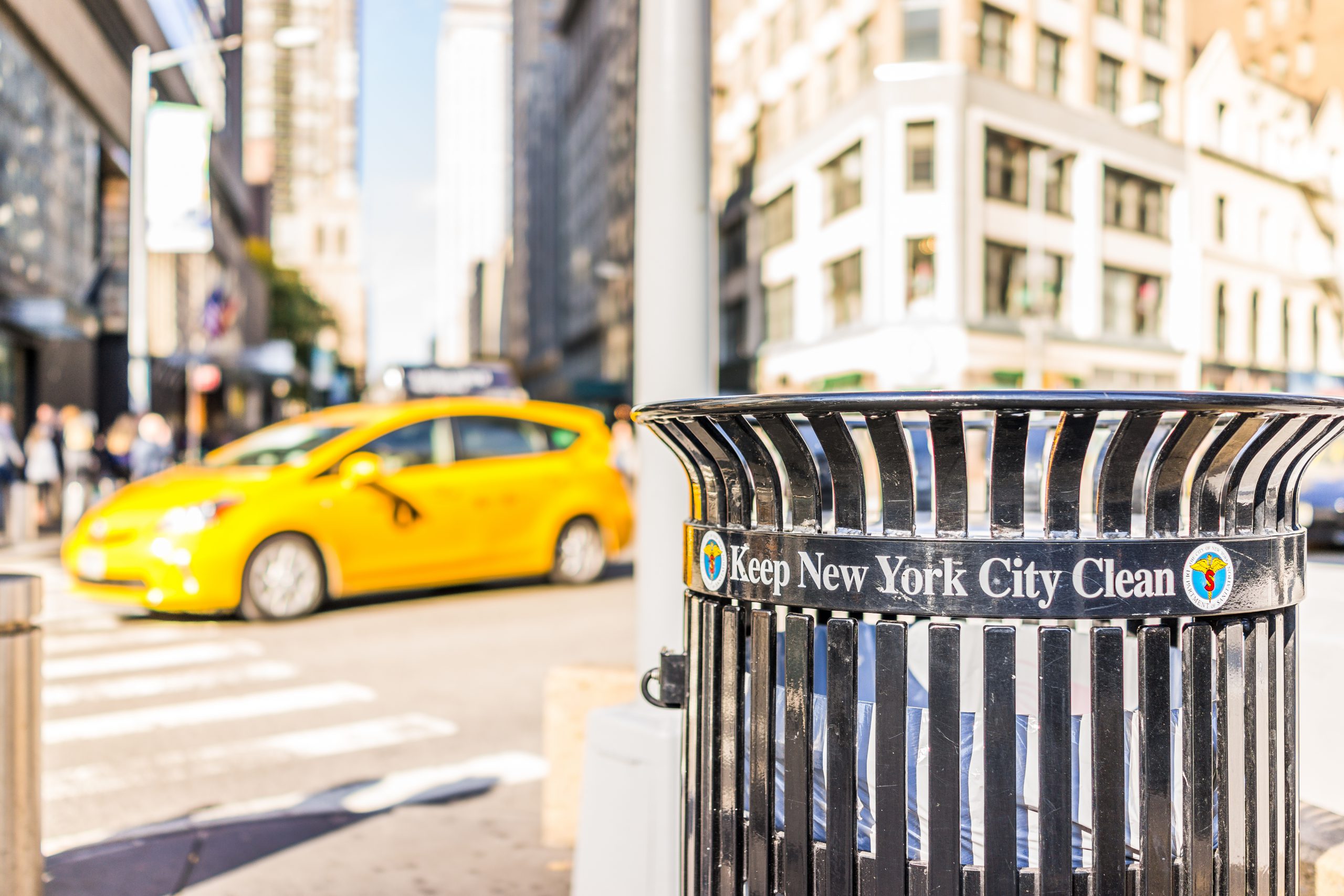
New York Takes a Firm Stance on Food Waste
As of January 1, 2022, the New York food waste law will impact organizations located within 25 miles of an organic waste recycler. Here's how you can determine if this law applies to you and what waste management options exist.
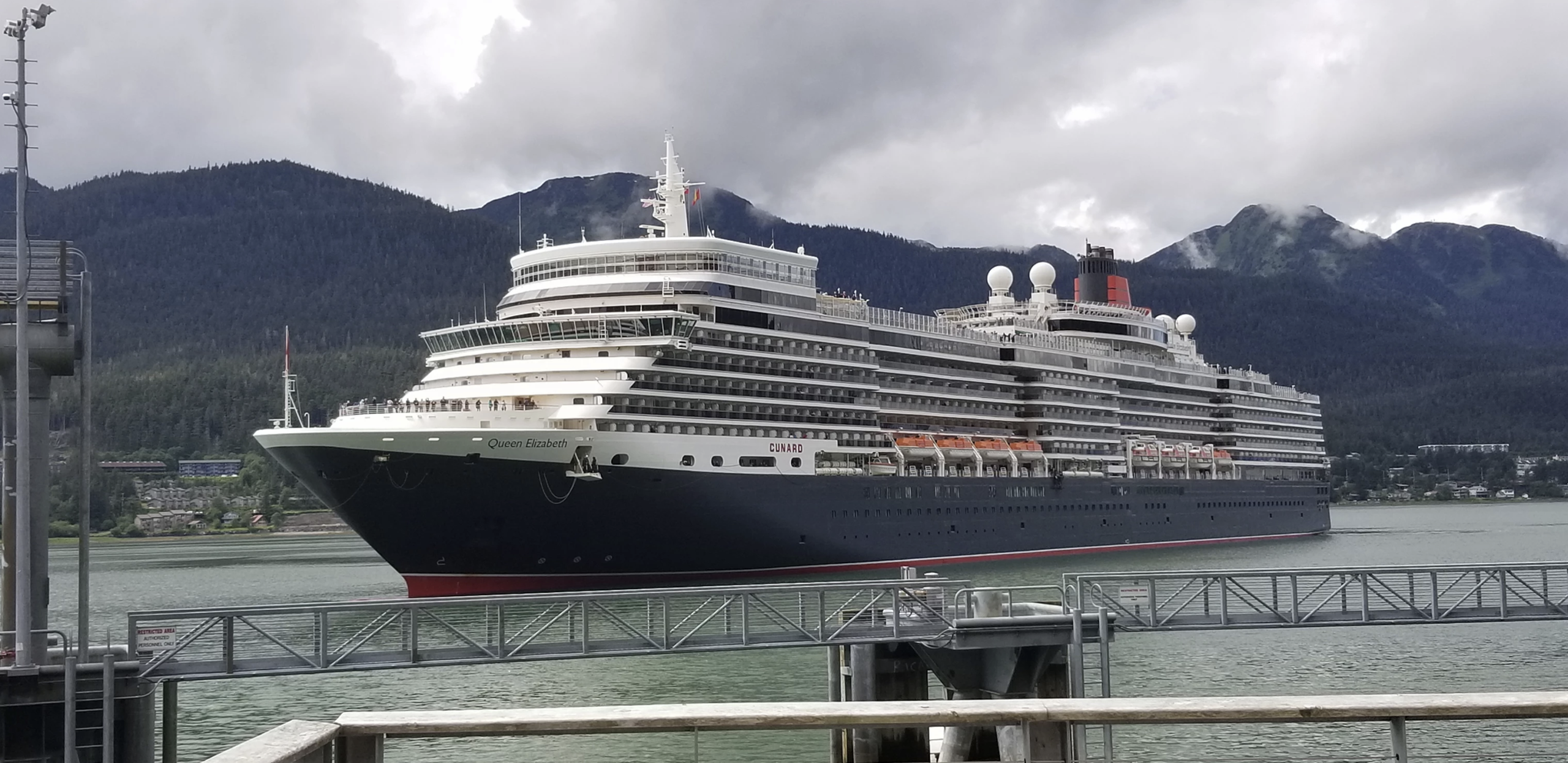
Cruise Ships Set Sail with Power Knot Biodigesters on Board
As more cruise lines seek to green their operations, balancing sustainability, operation costs, and MARPOL regulations, food waste has presented an opportunity to make a major difference. Ships of all sizes are finding that having onboard biodigesters present benefits in not only breaking down cruise ship food waste but minimizing the labor and costs associated with disposal.
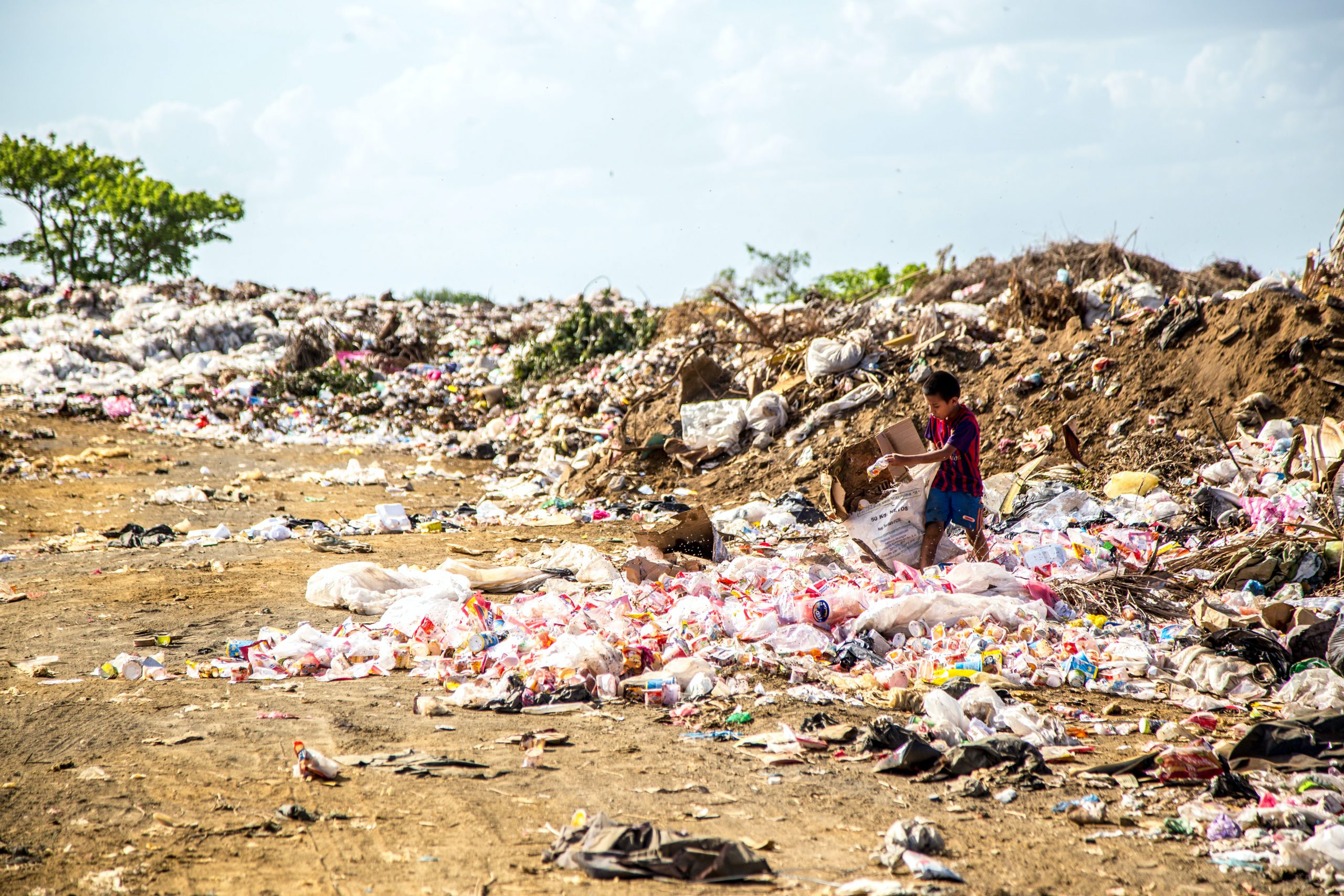
Webinar Reveals Maldives Moving towards Sustainability
From a series of food waste solution webinars, we learned that what native Maldive residents prioritize, impact of COVID-19 on small island resorts, and their biggest food waste problem.
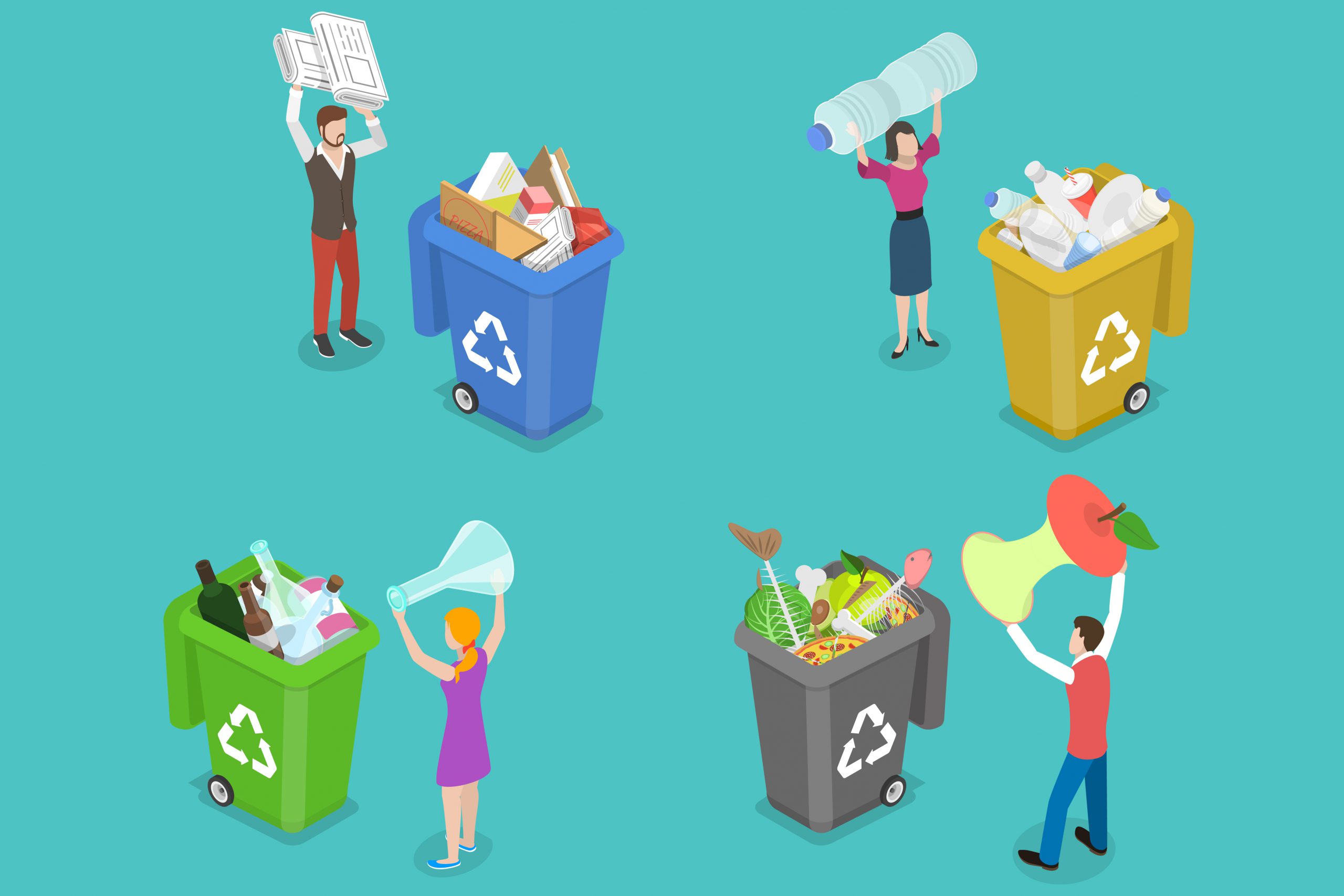
How Senate Bill 1383 Affects California Businesses
We review how Senate Bill 1383 will affect CA businesses, what to expect, implementation schedule, penalty fees, and more.
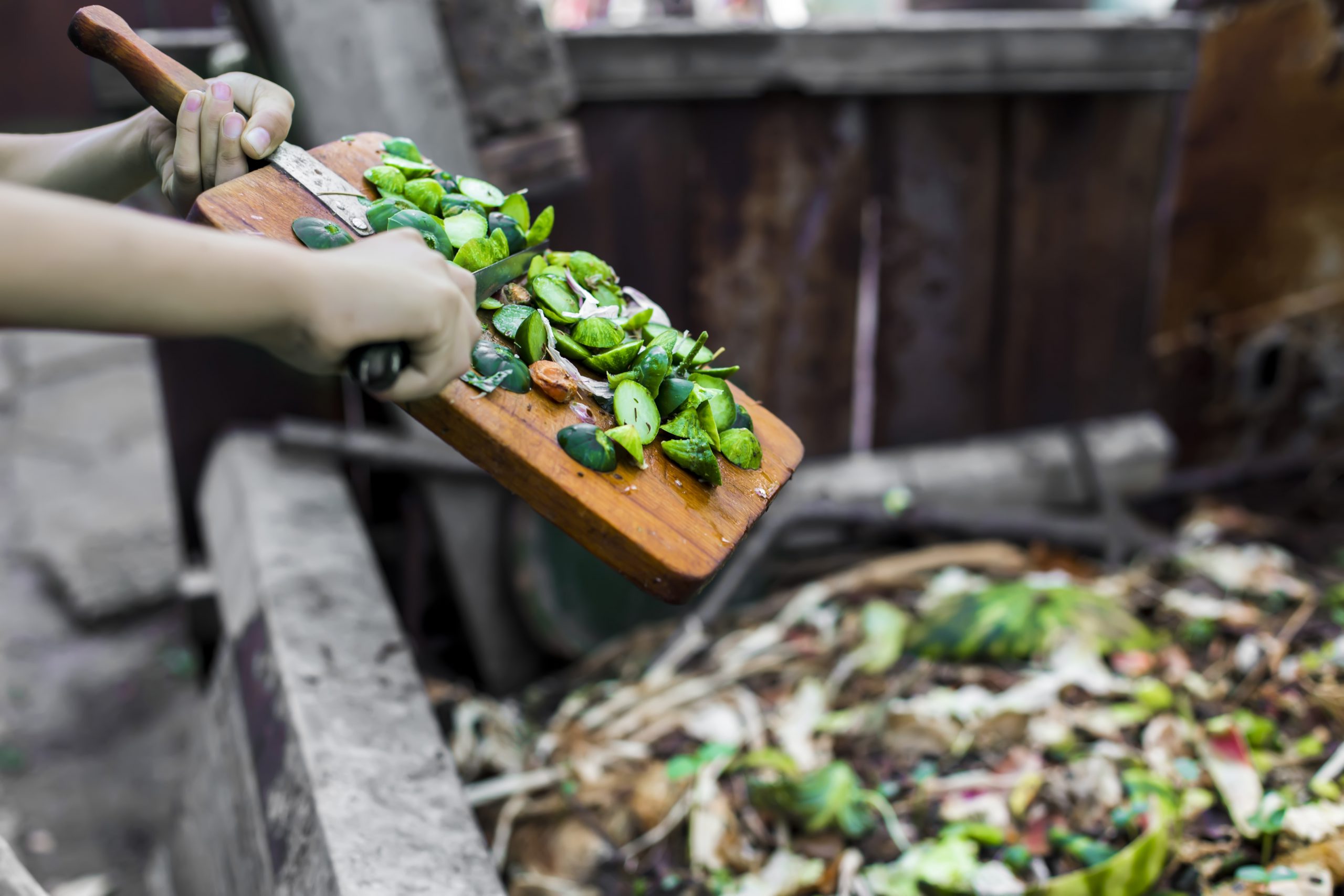
Three Reasons Why Sustainability Matters in the Kitchen
During unconventional times, sustainability is a key strategy to staying afloat and in some cases ahead of the competition. We've summarized our experience and findings into three reasons why you should focus on building sustainability in your commercial and campus kitchen.
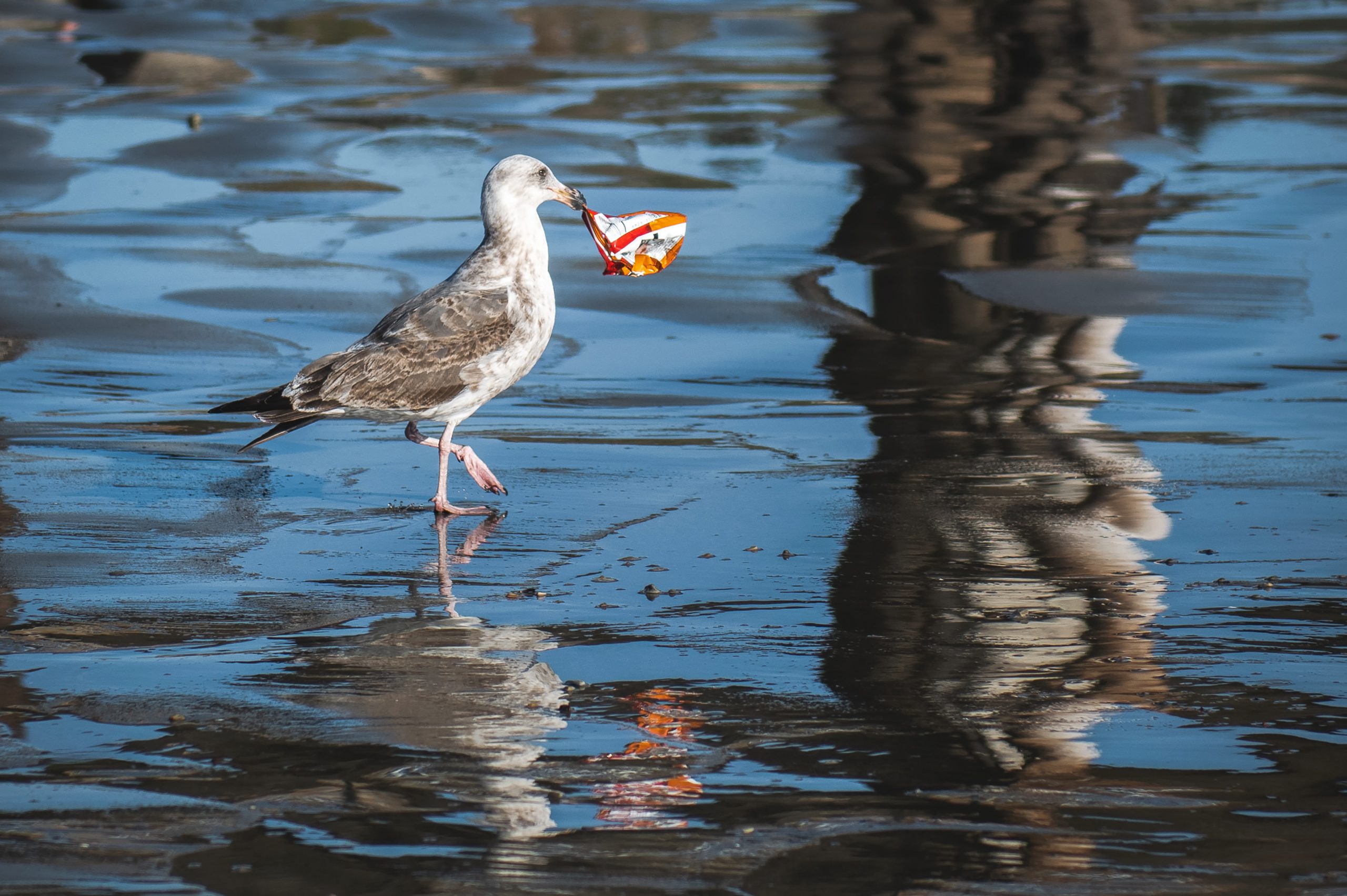
How Food Waste Impacts the Ocean
Most people are familiar with the impact that food waste has on landfills. Food waste accounts for 3 billion tons of carbon emissions annually. In the United States, it accounts for 18% of the country™s methane pollution, a greenhouse gas that™s 87 times more potent than carbon dioxide. However, the impact that food waste has on the ocean has worse lingering effects.


Blog: Food for Thought (and Not for Landfill)
Explore the latest articles on food waste reduction, sustainability strategies, industry developments, aerobic digester technology, and expert insights to drive smarter waste solutions.
Filters
Industry
Category
Power Knot provides environmentally sound products that help reduce costs while reducing your carbon footprint. We sell the LFC biodigester that uses aerobic digestion to convert food waste into water.
Contact Info
Copyright © 2009-2025 Power Knot LLC. All Rights Reserved.