ESG Sustainability Reporting Requirements in 2023
The EU Council has approved a Corporate Sustainability Reporting Directive (CSRD) that expands the number of companies required to provide sustainability disclosures from 12,000 to more than 50,000. Here's what you need to include in your 2023 ESG Report.
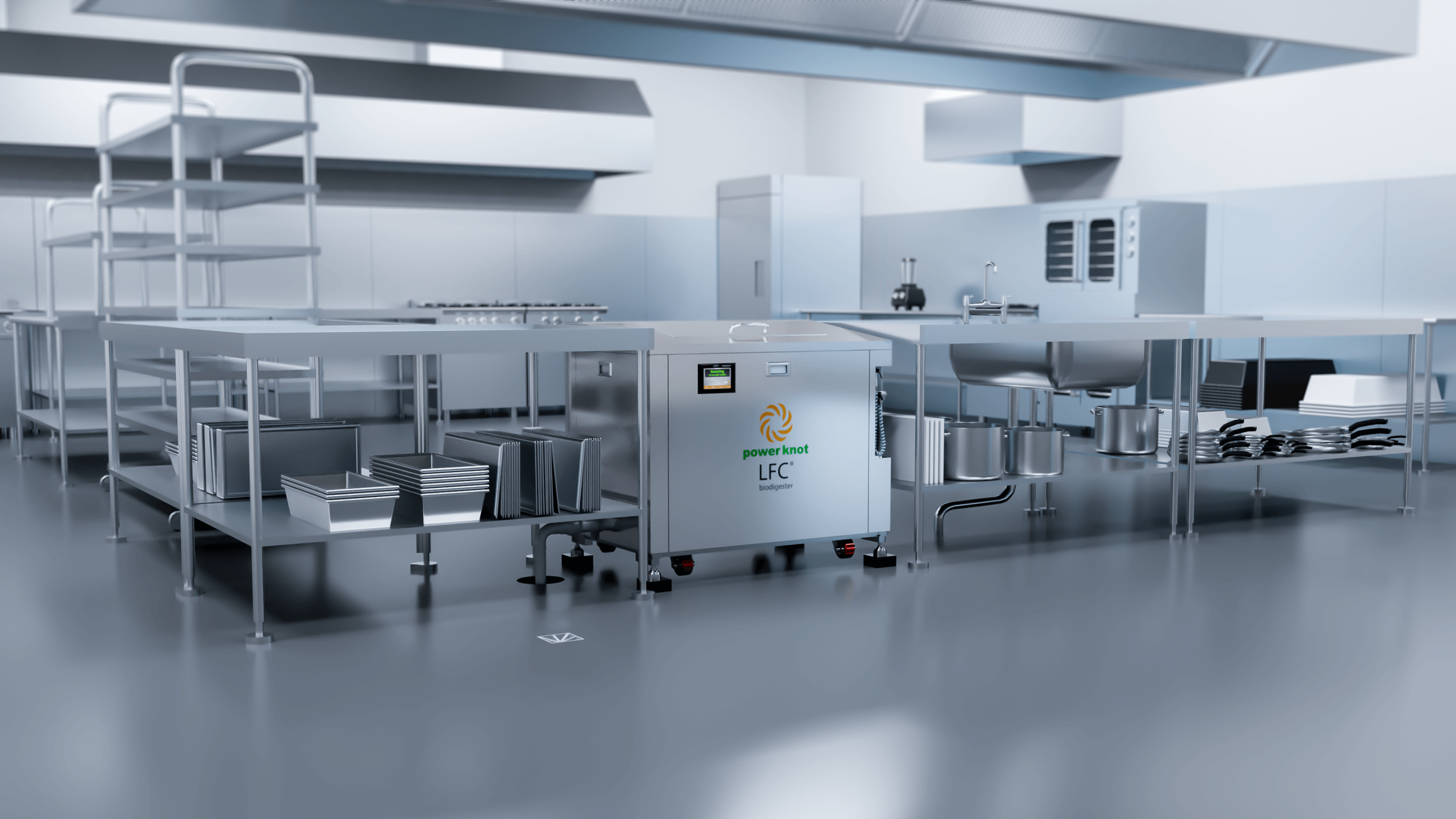
Planning your facility with a biodigester in mind
A machine that turns your food waste into water almost sounds almost too good to be true. Certain requirements need to be met to make biodigester the right fit for your facility. In this blog, we discuss the business and building requirements for a biodigester to help you determine the best food waste solution for your facility.
New Strategy Helps Food Manufacturers Lower Waste Management Costs
Many food production organizations are finding, there’s a strong business case for taking action on sustainable food waste management. New technology solutions afford food production companies an opportunity to tighten processes and reduce waste management costs.
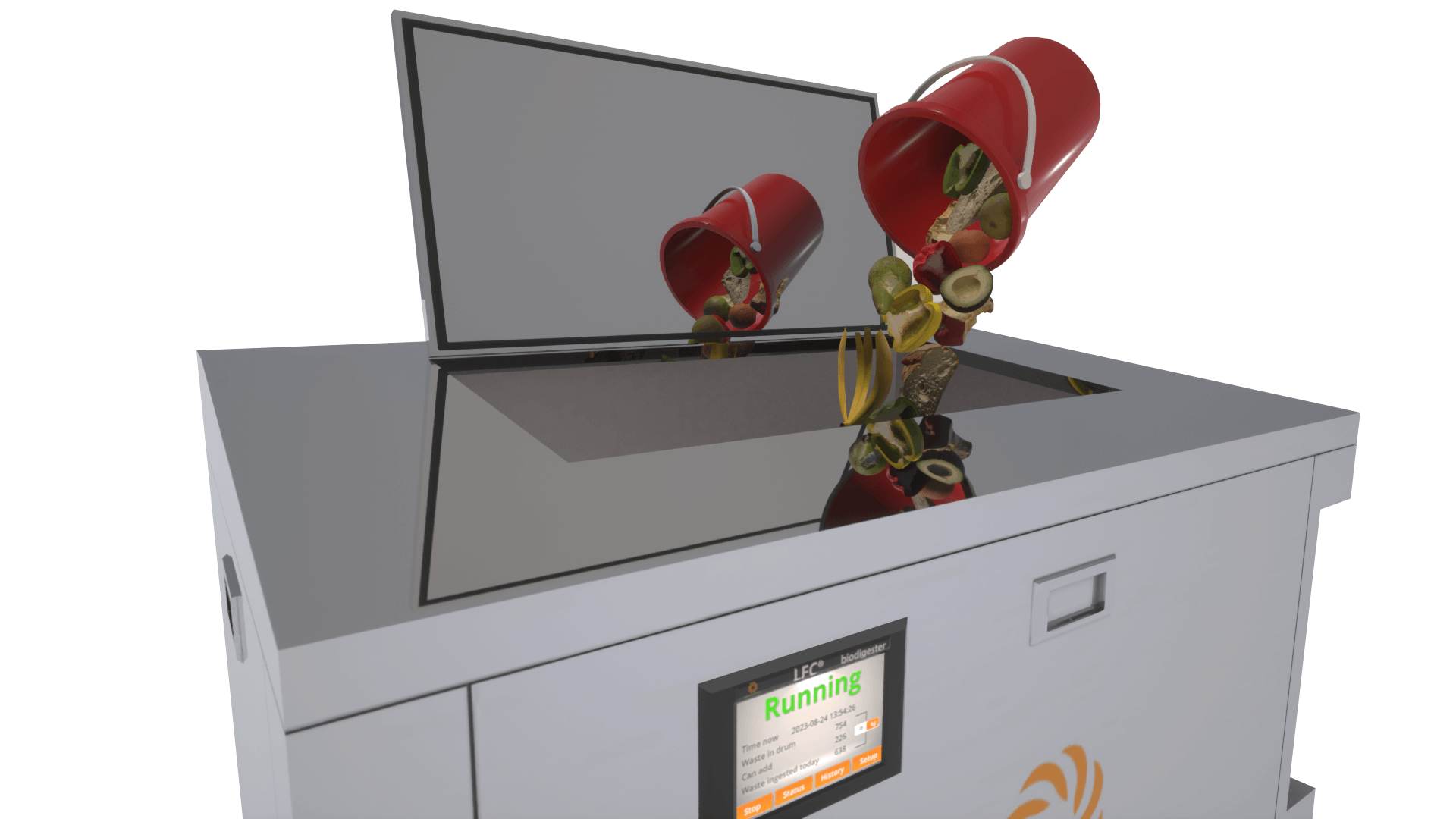
What can go in a biodigester?
It may be tempting to think of biodigesters as being similar to processes such as composting. The truth is, however, that a biodigester provides organizations with large food preparation areas far more flexibility than composting and other options for the disposal of food waste. In this blog, we review what can and cannot go into a biodigester.
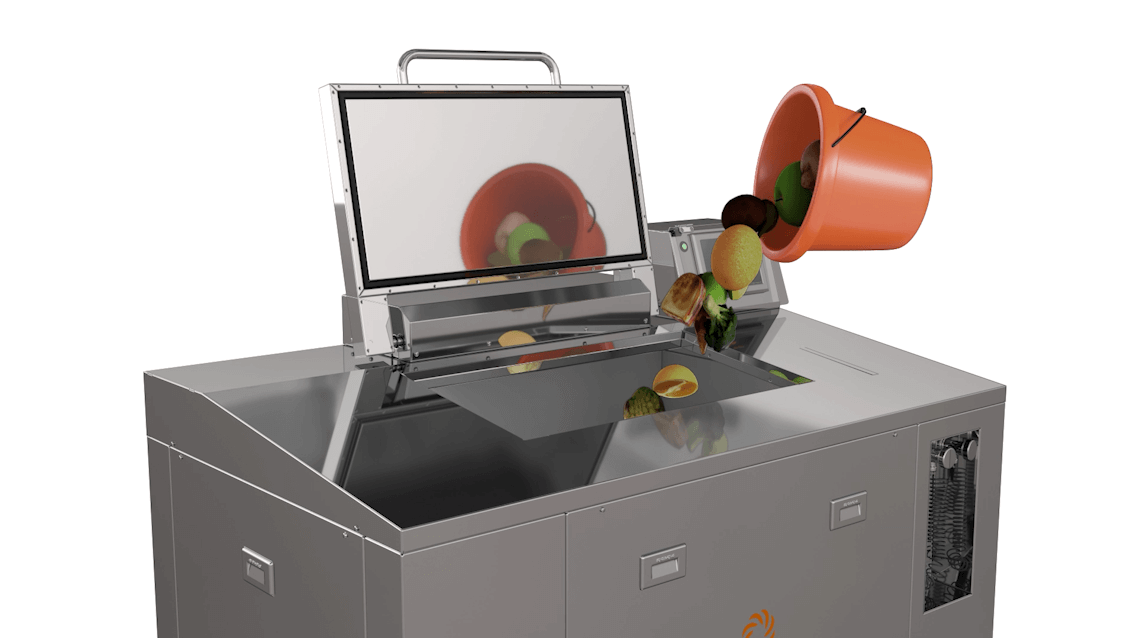
Why Biodigesters are the Future of Food Waste Management
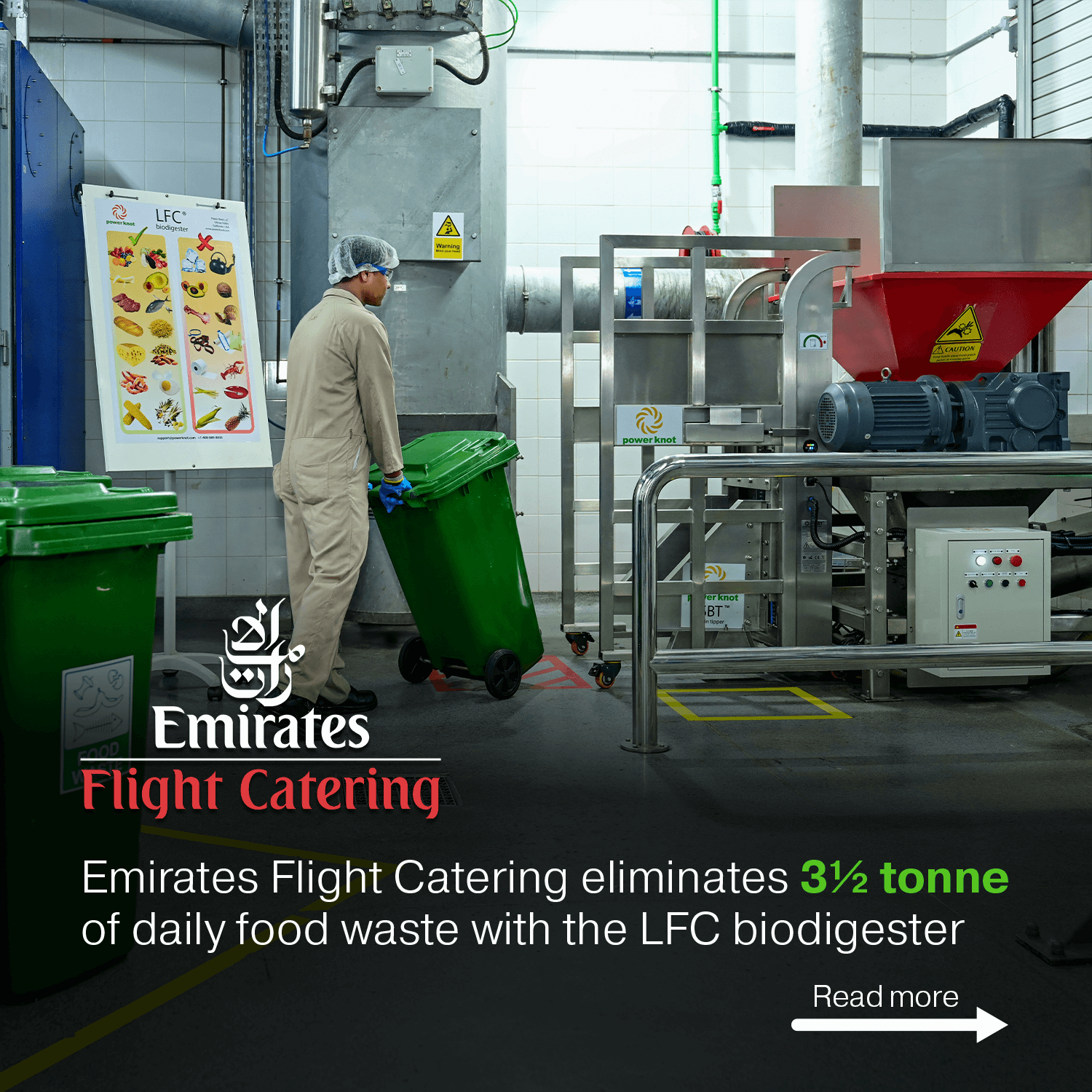
Today, more than a third of worldwide food production is lost or wasted each year, amounting to about 1.3 billion tons of waste food. Without change, experts predict that waste may grow to as much as 70% of all food by the year 2050. Digital technology must play a central role in identifying and preventing possible avenues of food waste. It’s for this reason that we believe onsite biodigesters will play a key role in the future of food waste management.
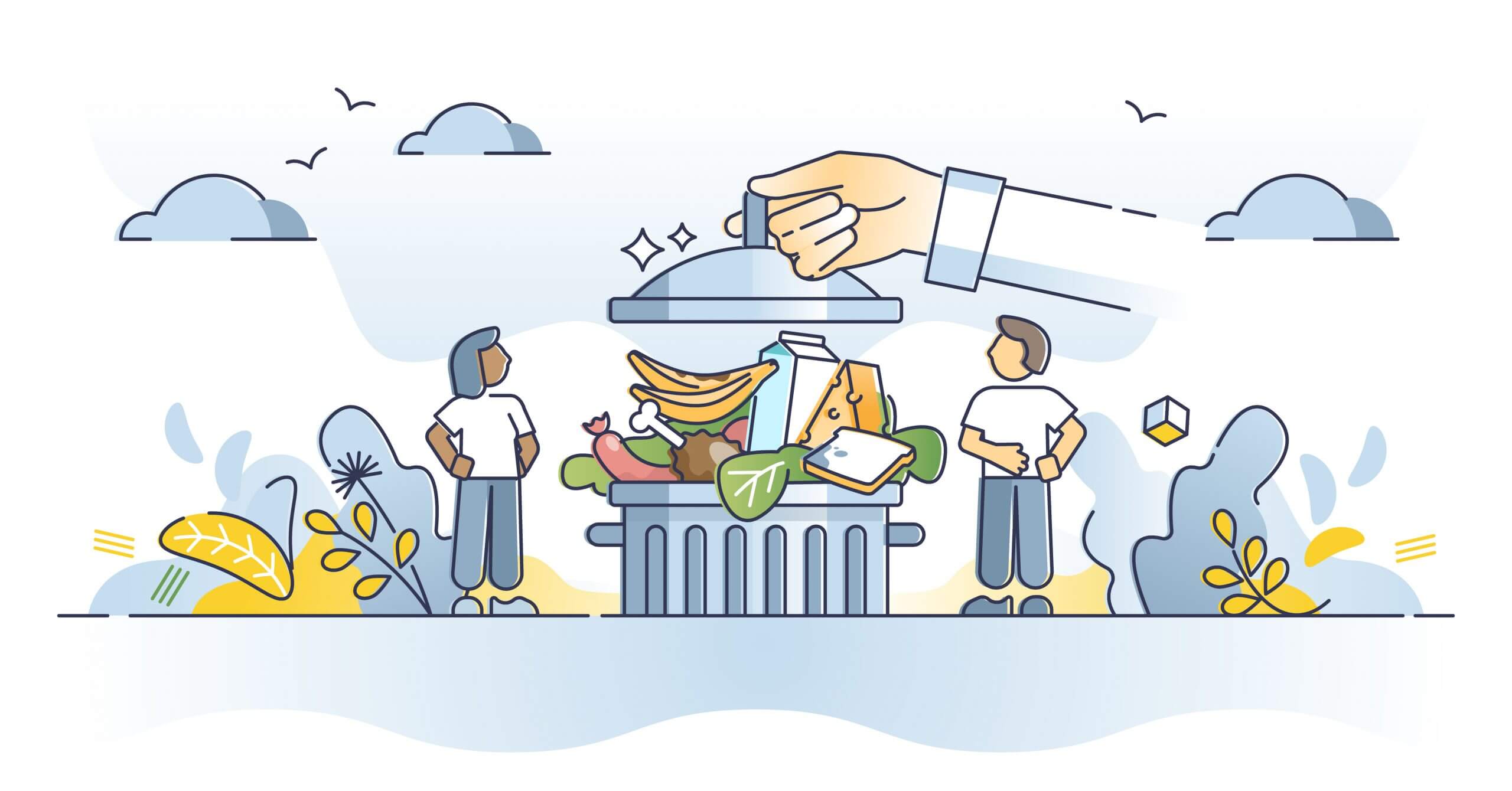
Three Steps to Reducing Food Waste in Restaurant Chains
A recent TikTok video called out Chik-fil-a for dumping excess chicken nuggets at the end of the day. However, Chik-fil-a isn't the only restaurant chain where food waste is an issue. U.S. restaurants contribute an estimated 22 to 33 billion pounds to the food waste problem every year, a problem with tremendous environmental impacts. Chain restaurants should consider this multi-pronged approach to managing their food waste.
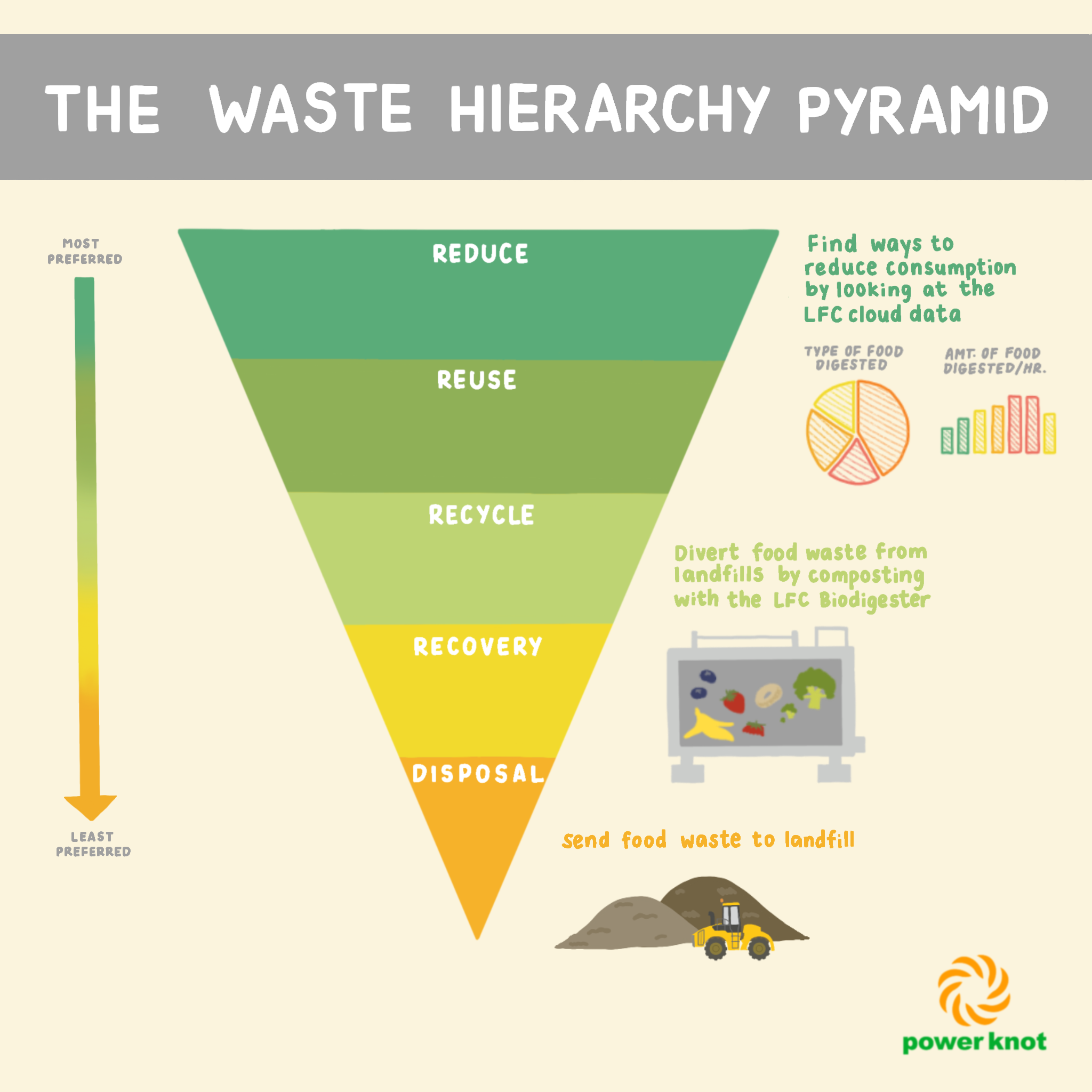
The Food Waste Hierarchy: How to Apply the Framework to Your Sustainability Goals
Between 30% and 40% of food supply in the United States goes to waste each year, according to the USDA, with tremendous impact to the environment from agricultural processes to the disposal of food waste. The food waste hierarchy pyramid is an ideal framework for addressing this problem. By applying this framework to your corporate sustainability plans, organizations can make a tremendous impact on reducing food waste and its impact on climate change.
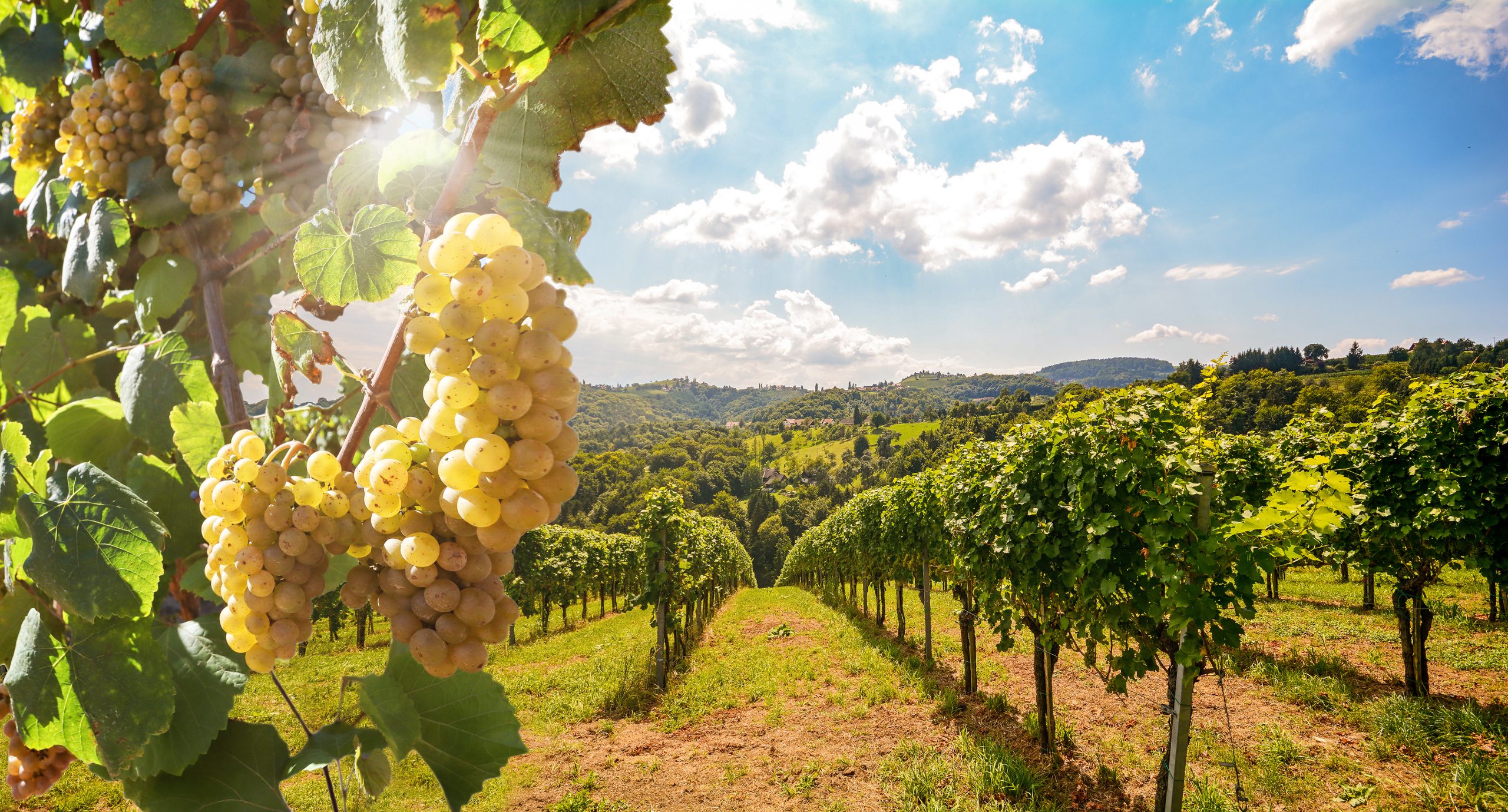
Balancing Sustainability and Customer Experience in Wineries, Breweries and Distillers
Sustainable wineries attract more consumers, proclaimed a recent article in Grapevine Magazine. It cited surveys of wine consumers in the U.S., Canada, Sweden and the UK that indicate a willingness to pay more for sustainably produced wine. It can be a challenging, if incredibly worthwhile, step to move to greater sustainability in the wine industry, in craft brewing, and among distilleries. Fortunately, today there are ample options available to help vintners, brewers, and distillers reduce their operations™ carbon emissions.
How U.S. Recommitment to GHG Reductions Impacts Food Handling Industries
Given the new 2021 administration's focus on environmentalism, waste management is not likely to be an area where food handling industries will be able to put off taking action any longer.


Blog: Food for Thought (and Not for Landfill)
Explore the latest articles on food waste reduction, sustainability strategies, industry developments, aerobic digester technology, and expert insights to drive smarter waste solutions.
Filters
Industry
Category
Power Knot provides environmentally sound products that help reduce costs while reducing your carbon footprint. We sell the LFC biodigester that uses aerobic digestion to convert food waste into water.
Contact Info
Copyright © 2009-2025 Power Knot LLC. All Rights Reserved.