How investing in a biodigester can actually save you money
Making the business case to justify investment in…
Why the LFC biodigester is the best food waste digester for businesses
Businesses today are increasingly looking for ways to reduce their environmental impact while also increasing efficiency and cutting costs. One way they can achieve this is by implementing a food waste digester on their premises. Among the various options available, the LFC biodigester stands out as the best choice for businesses. With its superior build quality, ease of use, unmatched three-year warranty, and lifetime data analytics, the LFC biodigester offers a range of benefits that can help businesses manage their food waste in a sustainable, cost-effective, and hassle-free manner. We will explore why the LFC biodigester is the ideal food waste digester for businesses of all sizes and industries.
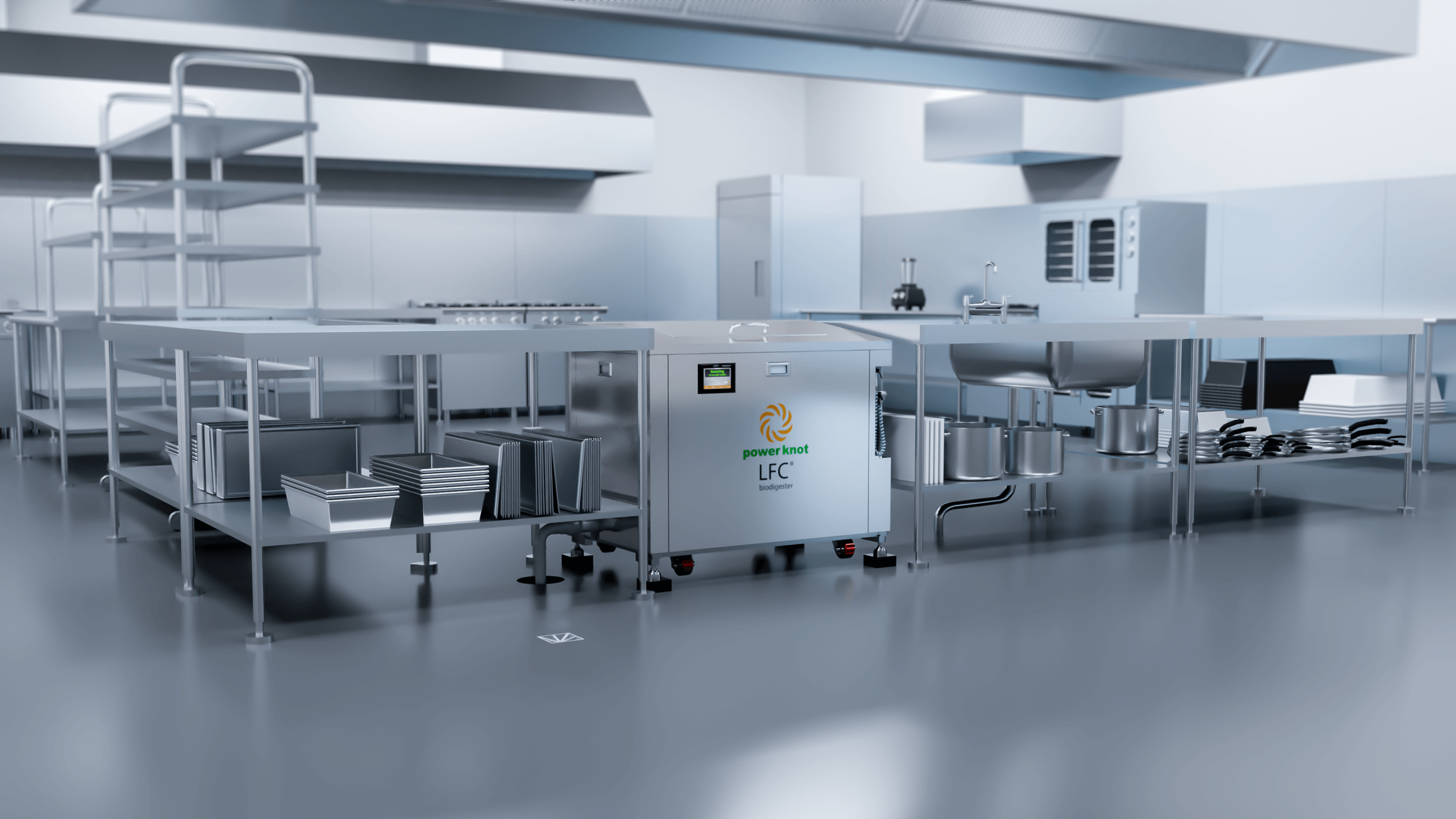
Planning your facility with a biodigester in mind
A machine that turns your food waste into water almost sounds almost too good to be true. Certain requirements need to be met to make biodigester the right fit for your facility. In this blog, we discuss the business and building requirements for a biodigester to help you determine the best food waste solution for your facility.
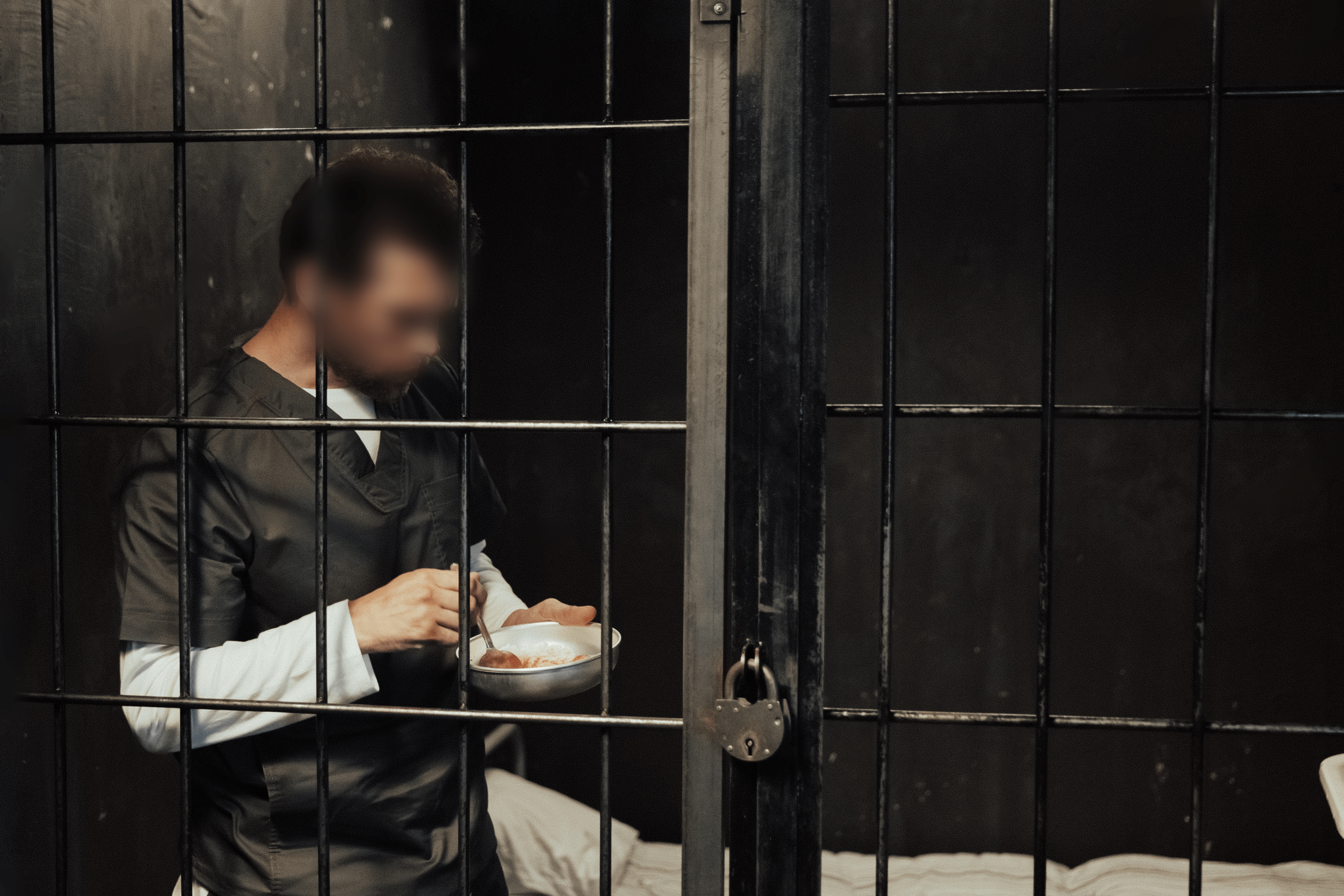
Why correctional facilities are switching to food waste digesters
Correctional facilities have unique considerations driving their choices for the disposal of food waste. Many operations first search for landfill alternatives as a way to rein in growing costs.Costs for jail and other local correctional facilities had risen sixfold from 1977 to 2017, even as the number of admissions decreased. However, operators must balance these operational costs with concerns around security, potentially limited options due to remote locations, and, more recently, movements to lower the generation of greenhouse gas (GHG) emissions that drive climate change.
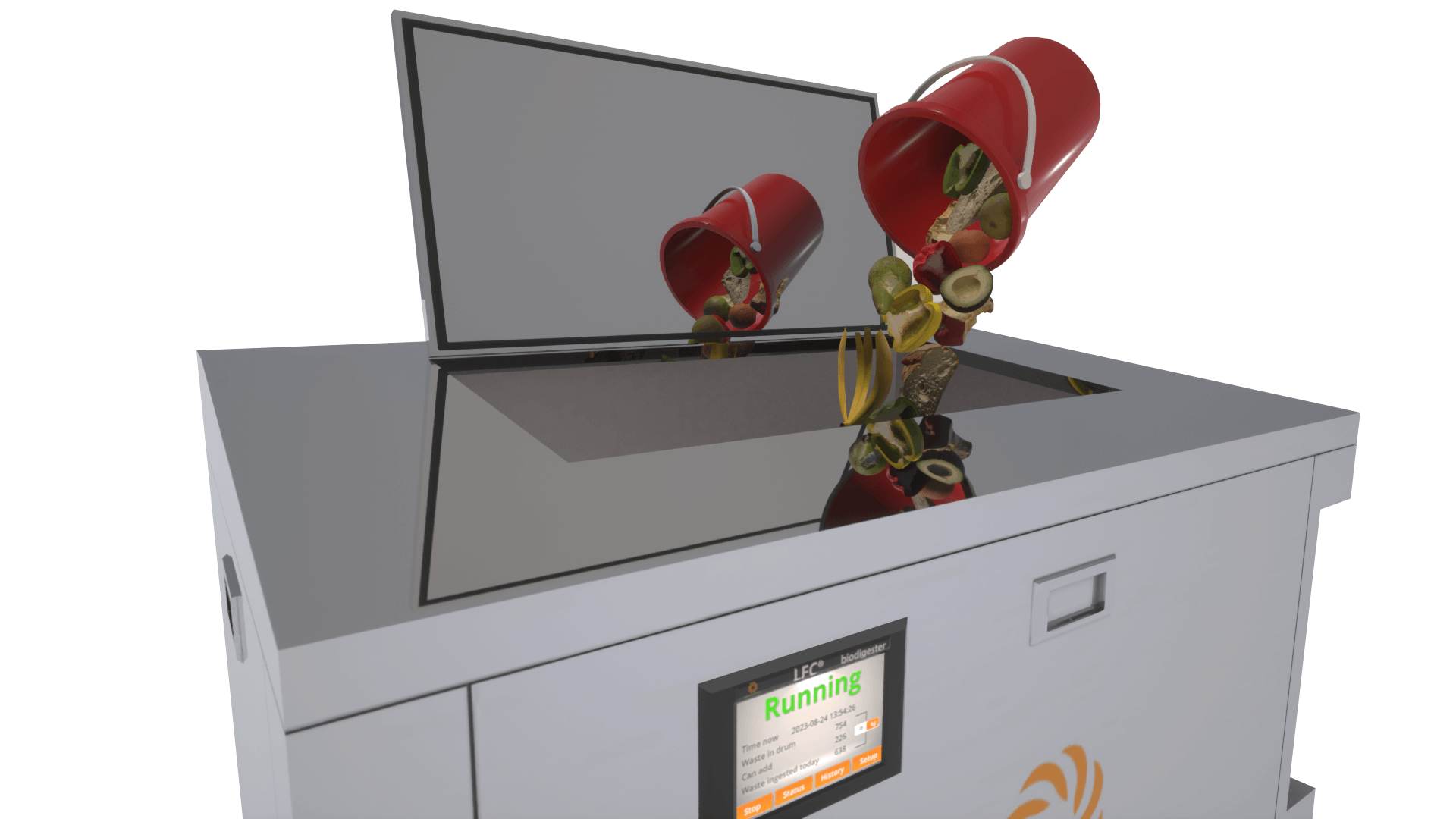
What can go in a biodigester?
It may be tempting to think of biodigesters as being similar to processes such as composting. The truth is, however, that a biodigester provides organizations with large food preparation areas far more flexibility than composting and other options for the disposal of food waste. In this blog, we review what can and cannot go into a biodigester.
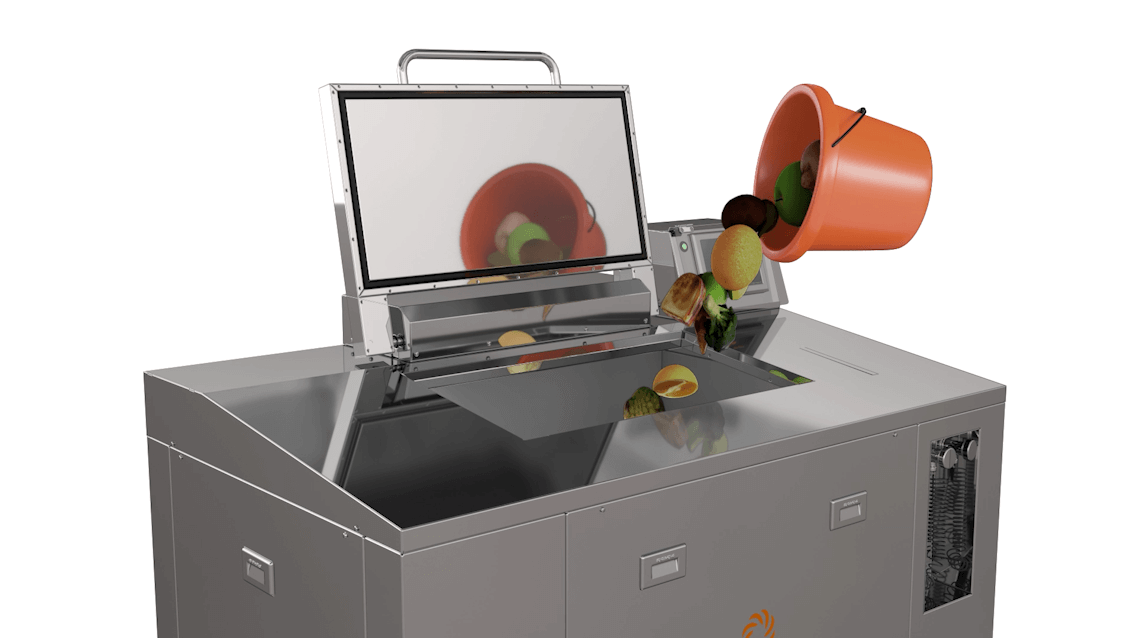
Why Biodigesters are the Future of Food Waste Management
Today, more than a third of worldwide food production is lost or wasted each year, amounting to about 1.3 billion tons of waste food. Without change, experts predict that waste may grow to as much as 70% of all food by the year 2050. Digital technology must play a central role in identifying and preventing possible avenues of food waste. It’s for this reason that we believe onsite biodigesters will play a key role in the future of food waste management.

How Municipalities Can Reduce Food Waste
Food waste make up the largest component of municipal solid waste in landfills. Governments at all levels have a role to play in preventing food waste, facilitating the donation of surplus food, recycling food scraps, and diverting from landfills. Here are ways that municipalities can reduce food waste to sustainably impact their cities.
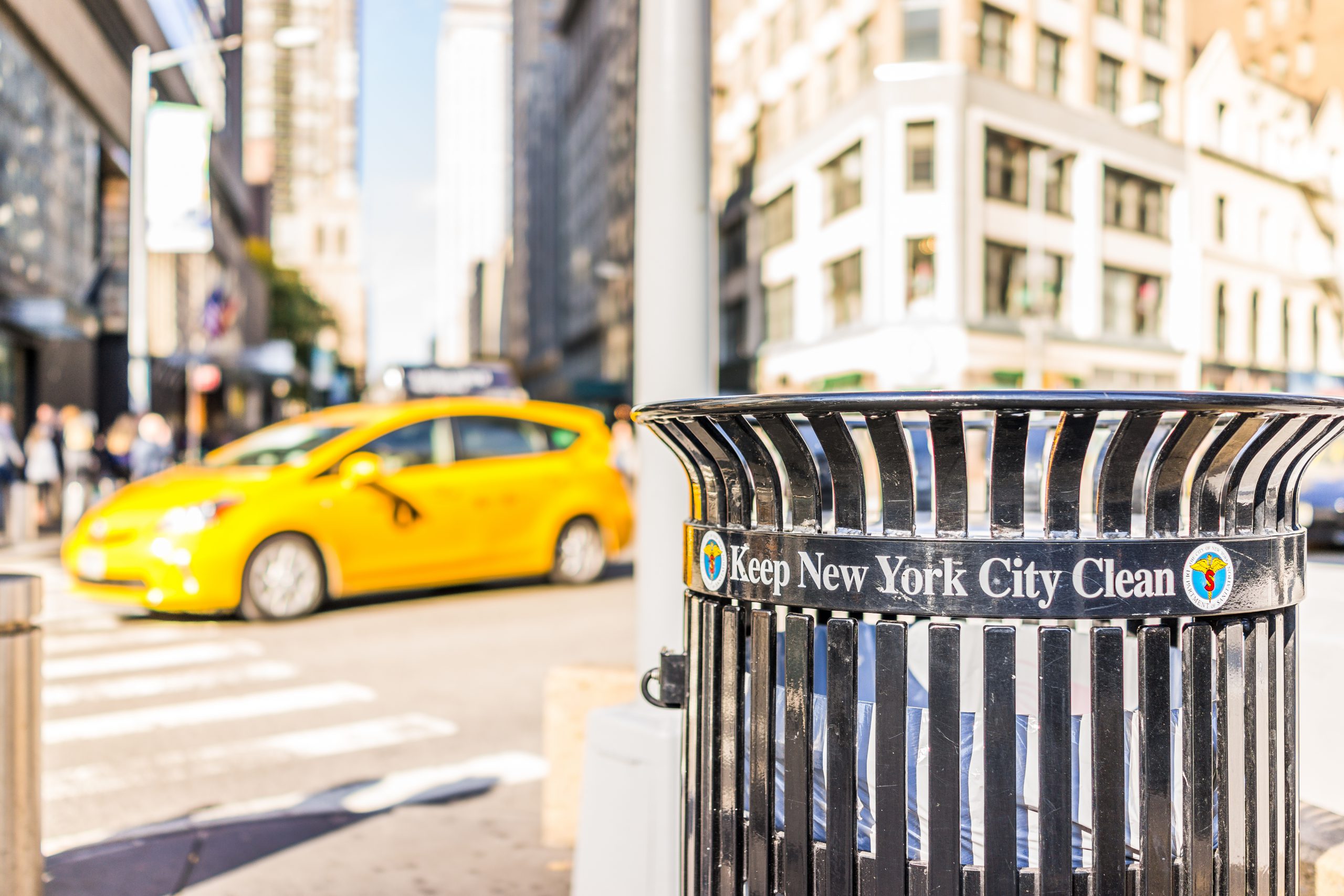
New York Takes a Firm Stance on Food Waste
As of January 1, 2022, the New York food waste law will impact organizations located within 25 miles of an organic waste recycler. Here's how you can determine if this law applies to you and what waste management options exist.
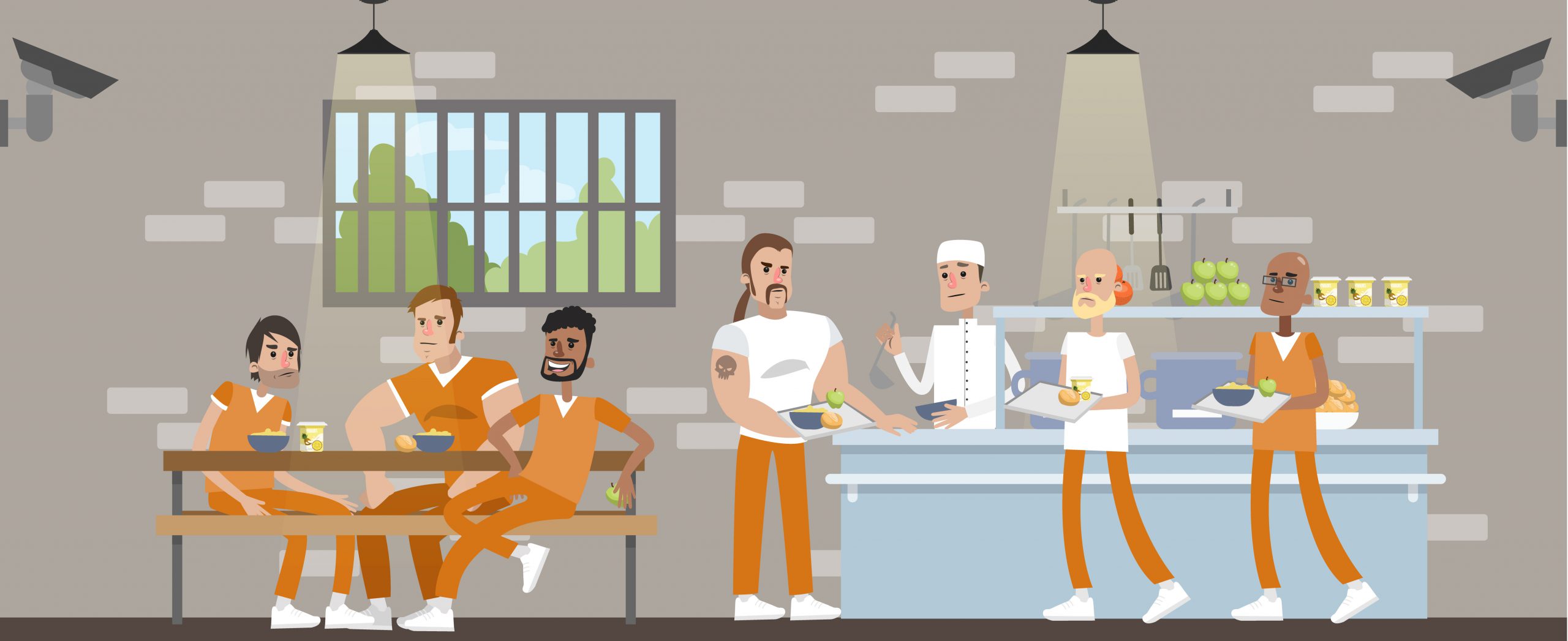
Lowering Prison Costs with Sustainable Food Waste Management
Diverting waste, particularly the food waste that can amount to nearly one-third of all waste created at correctional facilities, can drive down prisons™ operational costs. We explain how becoming green can help prisons lower their operational costs, and address the challenge presented by some of the food waste solutions in use at correctional facilities today.


Blog: Food for Thought (and Not for Landfill)
Explore the latest articles on food waste reduction, sustainability strategies, industry developments, aerobic digester technology, and expert insights to drive smarter waste solutions.
Filters
Industry
Category
Power Knot provides environmentally sound products that help reduce costs while reducing your carbon footprint. We sell the LFC biodigester that uses aerobic digestion to convert food waste into water.
Contact Info
Copyright © 2009-2025 Power Knot LLC. All Rights Reserved.