

The Hyatt Regency Orlando International Airport is a high-volume 445-room property serving global travelers and large-scale corporate events. Its unique location within one of the world’s busiest airports creates significant operational demands, particularly regarding waste management. As part of Hyatt’s World of Care highlights, the hotel has prioritized “Waste and Circularity” to minimize its environmental footprint while maintaining luxury standards.
Setting the Standard for Airport Hospitality
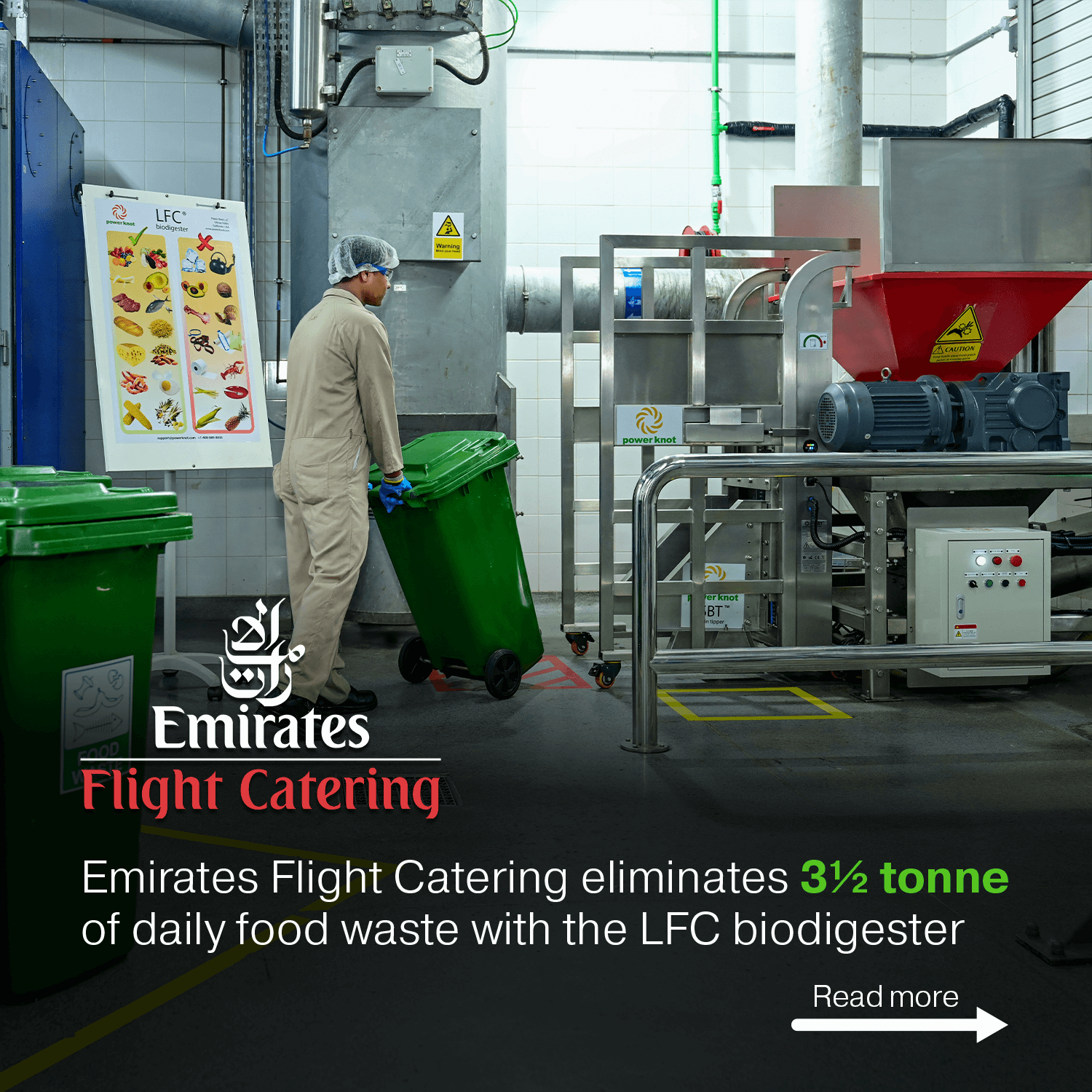
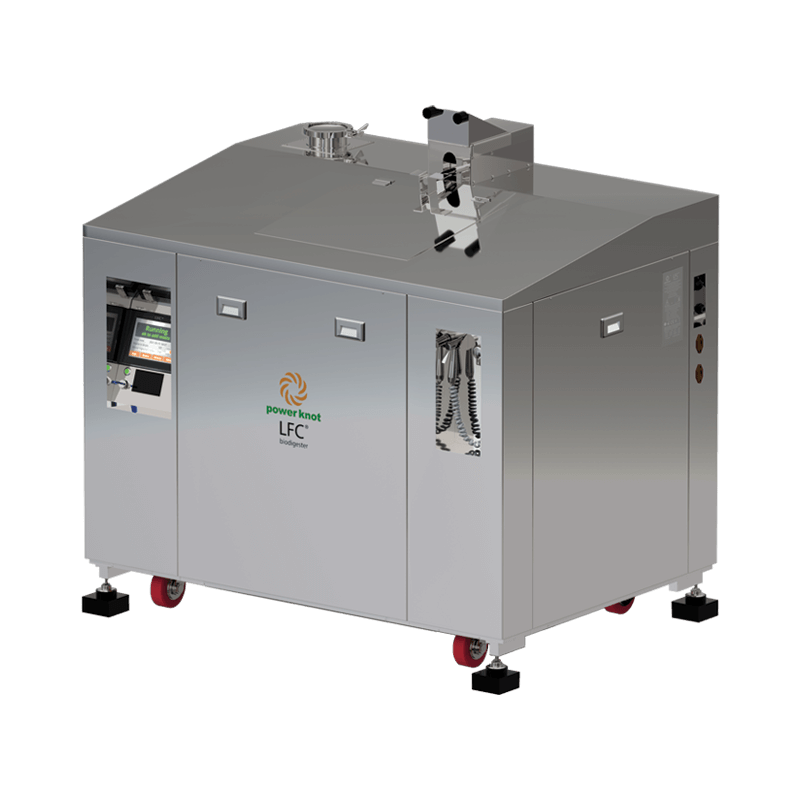
Managing food waste in an airport environment presents unique logistical hurdles. Traditional waste hauling involves high costs and challenges such as odors and pest control in sensitive areas. In 2016, the Hyatt Regency Orlando International Airport took a proactive step to solve these issues by installing the LFC biodigester in its banquet kitchen.
The objective was to move beyond traditional disposal methods and embrace a circular approach. A decade later, this commitment has transformed the hotel into a leader in sustainable hospitality, proving that environmental responsibility and operational efficiency go hand-in-hand.
Innovative On-Site Waste Solutions
The LFC biodigester serves as the heart of the hotel’s waste diversion strategy. Located conveniently in the banquet kitchen, the unit processes food scraps from the hotel’s premier dining outlets, including the Hemisphere restaurant and McCoy’s Grill & Bar, as well as the internal employee cafeteria.
Key Benefits of the LFC biodigester:
- Streamlined Logistics: Culinary and custodial staff process food scraps immediately at the source, eliminating the need for heavy lifting and transport to distant loading docks.
- Enhanced Sanitation: By digesting waste on-site, the hotel eliminated the storage of rotting organic matter, significantly reducing odors and the risk of pests.
- Data-Driven Decisions: The unit connects to the LFC Cloud, providing real-time analytics that allow management to track waste patterns and identify kitchen inefficiencies.
“We use data from the LFC Cloud as part of our yearly sustainability reports to show a year-over-year decrease in food waste,” says Oscar Garcia, Director of Engineering. This transparency allows the hotel to measure progress against Hyatt’s global goal of reducing food waste by 50% per square meter by 2030.
Measurable Reductions in Carbon and Cost
The impact of the LFC-300 biodigester is both environmental and financial. Most hospitality customers see a return on investment (ROI) within two years, and the Hyatt Regency OIA has benefited from these savings for nearly a decade.
In 2024 alone, the system processed over 62,000 lb (28 tonnes) of food waste. This prevented more than 100 metric tons of CO_2e from entering the atmosphere—an environmental impact equivalent to:
- Preventing the emissions of 27.7 gasoline-powered vehicles driven for a year.
- The carbon is sequestered by 2,000 trees grown over ten years.
A Comprehensive Sustainability Ecosystem
The biodigester is part of a broader “World of Care” strategy at the Hyatt Regency Orlando. The hotel focuses on four key pillars to ensure a thriving destination for guests and the planet:
- Climate & Water: Accelerating energy efficiency and expanding the use of greywater.
- Circular Operations: Utilizing Powerchips Green, a fully organic material that aids the digestion process, and increasing recycling rates.
- Responsible Sourcing: Prioritizing sustainable coffee, seafood, and animal proteins.
- Biodiversity: Implementing measures to protect local ecosystems and advance climate resilience.
A Model for Modern Hospitality
For the Hyatt Regency Orlando International Airport, sustainability is a permanent fixture of their business model. By combining cutting-edge technology like the LFC biodigester with rigorous science-based targets, the hotel demonstrates that even the busiest travel hubs can lead the way in environmental stewardship.