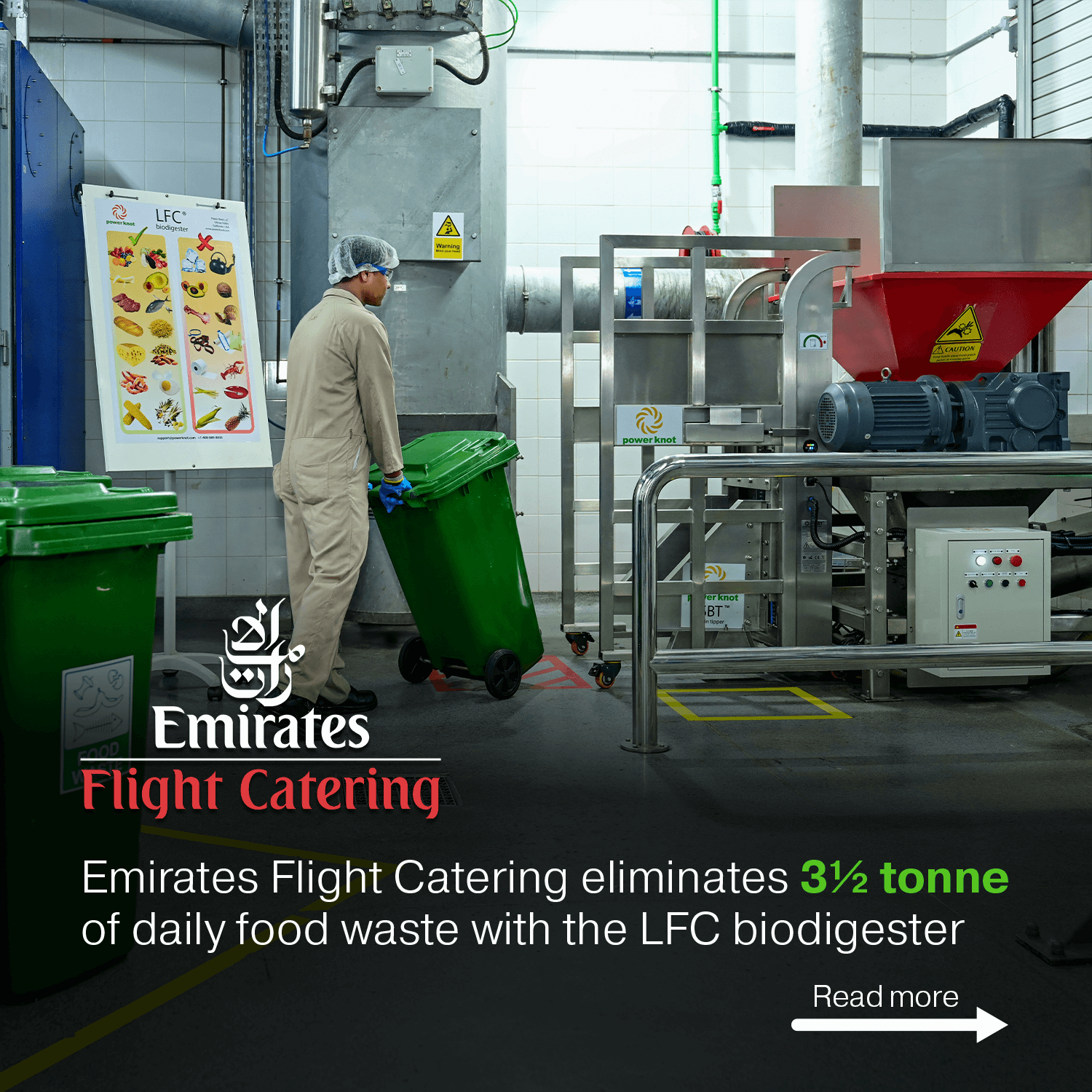

Food waste digesters have become a crucial component of sustainable waste management across various industries, including hospitality, food service, and healthcare. These machines provide an efficient and environmentally friendly way to break down organic waste, reducing landfill dependency and promoting a circular economy. Whether aerobic or anaerobic, food waste digesters transform discarded food into valuable byproducts, such as water or biofuel, significantly contributing to sustainability efforts. Here’s how a food waste digester can help businesses achieve environmental, economical, and operational advantages.
Environmental Benefits
Food waste is a significant contributor to greenhouse gas emissions when sent to landfills, where it decomposes and releases methane—a potent greenhouse gas that is over 87 times more effective at trapping heat in the atmosphere than carbon dioxide. A food waste digester mitigates this impact by converting waste into reusable resources.
- Reduces greenhouse gas emissions and carbon footprint: By diverting food waste from landfills, digesters help businesses contribute to global climate change initiatives by reducing methane emissions.
- Helps your building achieve LEED certification: Many green building certifications, including LEED (Leadership in Energy and Environmental Design), reward facilities for waste diversion and reduction strategies.
- Conserves resources and materials: Instead of contributing to landfill overflow, digesters convert food waste into water (aerobic digestion) or biofuel (anaerobic digestion), ensuring that waste is repurposed in a sustainable manner.
- Provides measurable waste reduction data: Many modern digesters come equipped with NTEP-certified data tracking, allowing businesses to document their sustainability efforts and make informed waste management decisions.
Economic Benefits
Reducing operational costs is a top priority for businesses, and food waste digesters provide significant economic advantages. By eliminating or drastically reducing the need for traditional waste disposal services, organizations can optimize their financial resources while maintaining environmental responsibility.
- Reduces waste management costs: The cost of waste collection and landfill disposal can add up over time. Digesters cut down the frequency and weight of waste pickups, leading to substantial savings on hauling fees.

- Improves inventory management: Some food waste digesters provide data insights into waste generation, allowing businesses to identify inefficiencies in their supply chain and make better purchasing decisions.

- Enhances brand reputation: Adopting sustainable business practices attracts eco-conscious consumers, strengthens public perception, and fosters customer loyalty.
Operational Benefits
Implementing a food waste digester offers numerous operational advantages that streamline waste management, enhance workplace safety, and improve efficiency. See why the LFC biodigester is the leading best food waste digester in the industry.
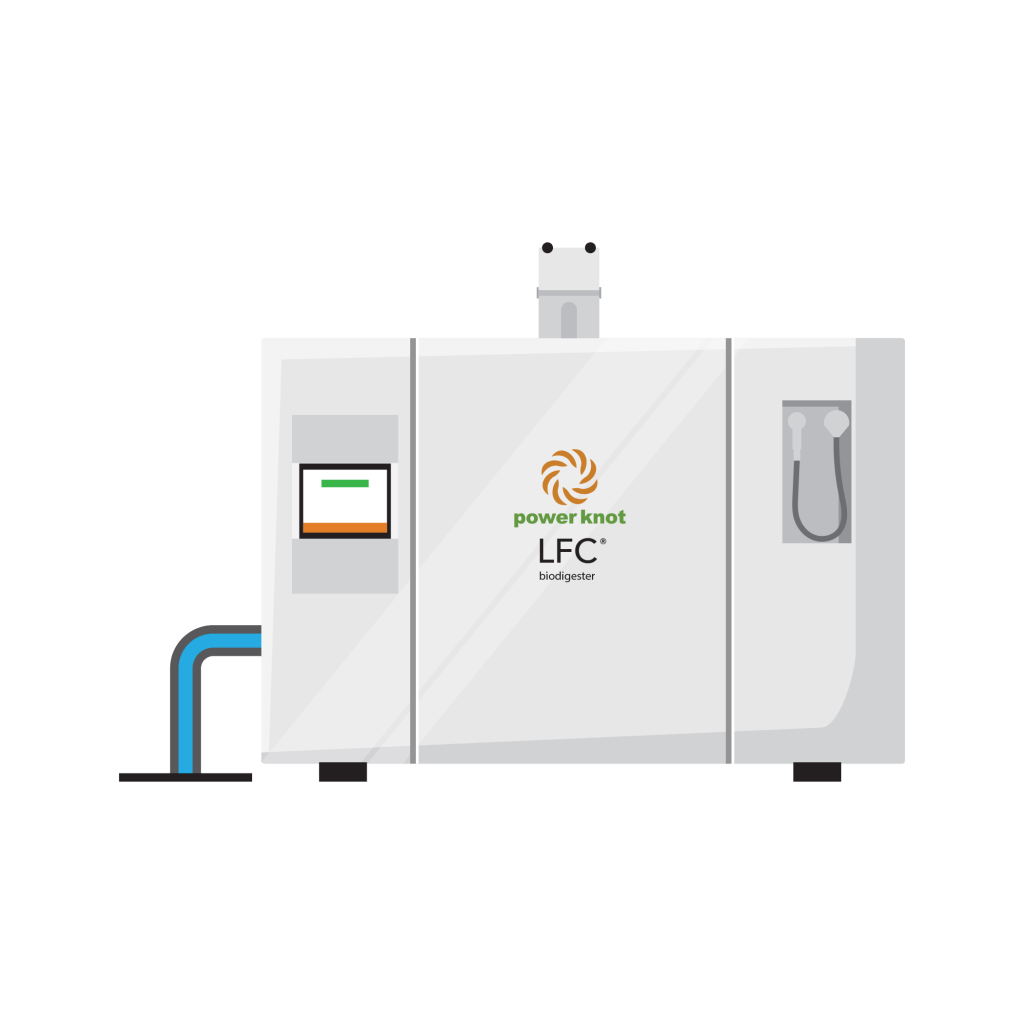
- Processes waste directly on-site: Instead of dealing with the logistics of external waste removal, food waste digesters allow businesses to manage food waste disposal internally, reducing disruptions in operations.

- Eliminates the need for transporting or handling waste: By reducing the volume of waste and converting it into water or biofuel, businesses no longer need to store, move, or transport large amounts of decomposing food.

- Improves workplace safety: Handling and disposing of food waste manually can pose injury risks, including lifting hazards and exposure to contaminated materials. Digesters minimize manual handling, creating a safer working environment.

- Reduces the risk of workplace injuries: With a streamlined waste processing system, employees face fewer hazards, reducing liability and improving overall workplace efficiency.
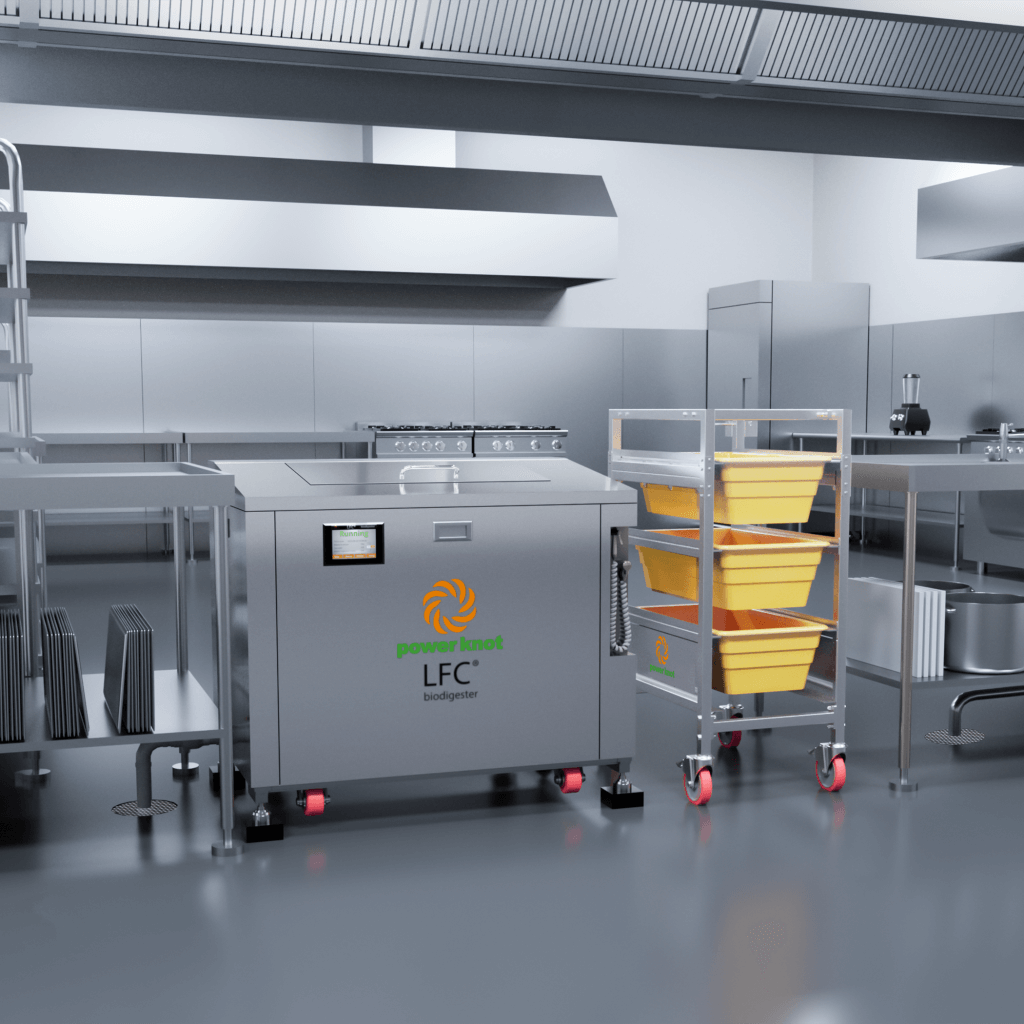
A food waste digester is more than just a waste management tool—it’s a strategic investment in sustainability, cost savings, and operational efficiency. By implementing one in your facility, you contribute to a greener planet, reduce overhead costs, and improve daily operations. Whether you operate a restaurant, hotel, hospital, or corporate facility, transitioning to a food waste digester is a step toward a more sustainable and responsible future.
Adopting this technology not only benefits your business but also helps build a healthier planet for future generations. The shift toward waste reduction and resource conservation is no longer optional—it’s a necessity. Consider integrating a food waste digester into your operations and take proactive steps toward a more sustainable tomorrow. Contact Power Knot today to see how your business will achieve environmental, economical, and operational benefits from implementing a food waste digester.